
Ambien for Insomnia: How It Works and Who Should Take It
Insomnia is one of the most common sleep disorders, affecting millions of people worldwide. Characterized by difficulty falling asleep, staying asleep, or waking up too early, insomnia can significantly impact daily functioning, mood, and overall health. One of the most commonly prescribed medications for short-term treatment of insomnia is Ambien (generic name: zolpidem). Understanding how Ambien works, who it is recommended for, and the potential benefits and risks can help patients and healthcare providers make informed decisions.
How Ambien Works
Ambien belongs to a class of drugs known as sedative-hypnotics. Unlike traditional benzodiazepines, zolpidem is a non-benzodiazepine receptor agonist that selectively binds to certain receptors in the brain, particularly the GABA-A receptor complex. GABA (gamma-aminobutyric acid) is a neurotransmitter that helps calm brain activity. By enhancing GABA’s effects, Ambien promotes relaxation and facilitates the onset of sleep.
Ambien is fast-acting, which is why it is usually taken immediately before bedtime. It generally helps people fall asleep within 15–30 minutes. There are two main forms of the medication: Ambien (immediate-release), which helps with falling asleep, and Ambien CR (controlled-release), which is designed to help with both sleep onset and staying asleep through the night.
Who Should Take Ambien
Ambien is typically prescribed for short-term use, usually no longer than one to two weeks. It is meant for individuals who suffer from acute or short-term insomnia that significantly interferes with their ability to function. People who have difficulty falling asleep despite practicing good sleep hygiene—such as maintaining a consistent bedtime, reducing caffeine intake, and creating a quiet sleep environment—may benefit from Ambien.
It is particularly helpful for those experiencing insomnia due to stressful events, jet lag, or temporary disruptions to their sleep schedule. Ambien may also be used for patients with chronic insomnia, but only under close supervision, as long-term use can lead to dependence and tolerance.
Safety Considerations and Side Effects
While Ambien is effective, it is not without risks. Common side effects include dizziness, headache, drowsiness the next morning, and gastrointestinal discomfort. More serious concerns involve complex sleep behaviors, such as sleepwalking, sleep-driving, or eating while not fully awake, which have been reported in some patients. These behaviors can be dangerous and usually require discontinuation of the drug.

Ambien should not be taken with alcohol or other sedatives, as this increases the risk of excessive drowsiness and accidents. It should be used cautiously in older adults because of a higher risk of falls, confusion, and next-day impairment. People with a history of substance abuse, respiratory disorders, or severe liver disease should consult their doctor before taking Ambien.
Best Practices for Use
To minimize side effects and risk of dependence, Ambien should be taken at the lowest effective dose and for the shortest duration necessary. Patients are advised to take the medication only when they are able to dedicate a full 7–8 hours to sleep, as waking up too soon may lead to impaired coordination and memory problems.
Final Thoughts
Ambien can be an effective short-term solution for people struggling with insomnia, especially when other approaches have failed. However, it should not be considered a cure for poor sleep. Long-term management of insomnia often involves lifestyle changes, cognitive behavioral therapy for insomnia (CBT-I), and addressing underlying medical or psychological conditions. Patients should work closely with their healthcare provider to weigh the benefits and risks before starting Ambien and to develop a comprehensive plan for achieving healthy, restorative sleep.
Our Products
-
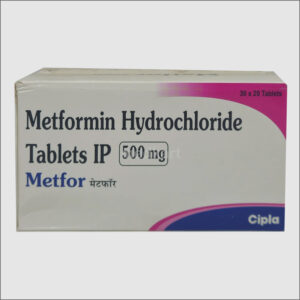
Metformin 500mg
$0.80 / Per Pill
-
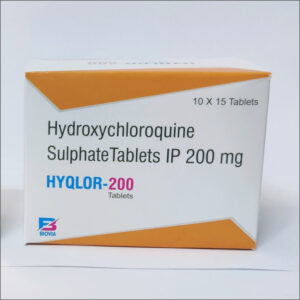
Hydroxychloroquine 200MG
$1.00 / Per Pill
-
Tapentadol 100 mg
$2.00 / Per Pill