Everyday Chemist

Author name: admin

Diseases

Parental Diseases of Despair Linked to Suicidal Events in Offspring

Introduction: Understanding Diseases of Despair

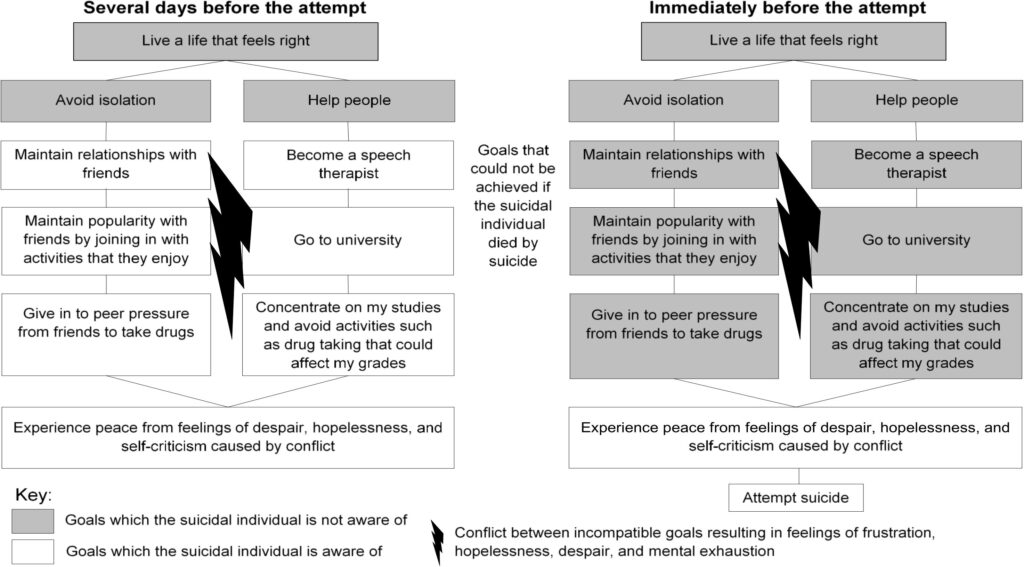
Parental diseases of despair—commonly defined as substance use disorders, alcohol-related liver disease, and mental health conditions such as major depression—have emerged as significant public health concerns with profound intergenerational effects. These conditions represent not just individual suffering but also indicators of broader psychosocial distress, economic hardship, and family instability. Researchers are increasingly recognizing that children raised in such environments face an elevated risk of suicidal ideation, suicide attempts, and self-harm behaviors, making this a critical area of study for mental health prevention and intervention efforts.


Health

How Ozempic Works: GLP-1 Receptor Agonists and Metabolic Health

Ozempic (semaglutide) is a medication that has gained significant attention for its ability to improve blood sugar control and support weight management. It belongs to a class of drugs known as GLP-1 receptor agonists, which mimic the action of a naturally occurring hormone called glucagon-like peptide-1 (GLP-1). By activating GLP-1 receptors

Insomnia

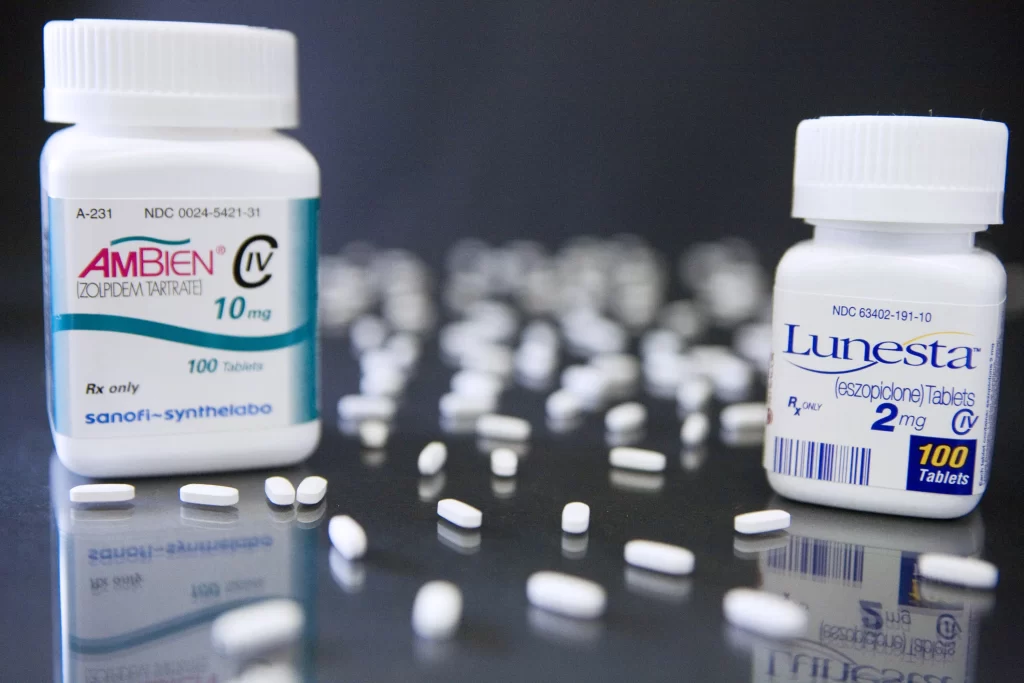
Ambien for Insomnia: How It Works and Who Should Take It

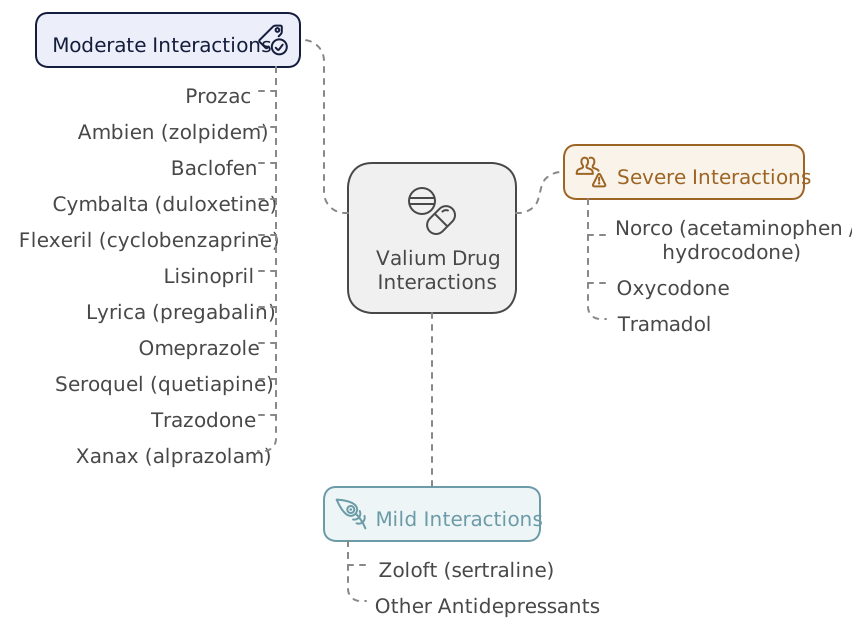
Valium, introduced in the 1960s, was once hailed as a breakthrough in the treatment of anxiety and quickly became one of the most prescribed drugs in the world. Marketed as a safe and effective solution for stress and tension, it even earned the nickname “mother’s little helper.” Decades later, however, its reputation has shifted, and many now view Valium as a double-edged sword: helpful for short-term relief but risky in the long run.

Anxiety

Valium for Anxiety: How Effective Is It Compared to Modern Alternatives?

Valium for Anxiety – Introduction: A Pill That Defined an EraValium, introduced in the 1960s, was once hailed as a breakthrough in the treatmentValium, or diazepam, belongs to the benzodiazepine class of medications. It works by enhancing the activity of gamma-aminobutyric acid (GABA), a neurotransmitter that calms nervous system activity. This produces a sedative effect, relaxing both the mind and body. For people experiencing acute anxiety or panic attacks, Valium can provide rapid relief, often within an hour of taking a dose.

Weight Loss

Ozempic’s Rise in Popularity: From Diabetes Treatment to Weight Loss Trend

From Diabetes Treatment to Weight Loss Trend Over the past few years, Ozempic has transformed from a niche prescription drug for type 2 diabetes into a household name synonymous with weight loss. The medication, whose active ingredient is semaglutide, was originally developed to help regulate blood sugar levels. But as more people began using it, an unintended side effect—significant weight loss—pushed Ozempic into the spotlight and fueled a cultural phenomenon.

Weight Loss

Mounjaro for Weight Loss: How It Compares to Other GLP-1 Drugs

Over the last few years, medications originally developed for type 2 diabetes have gained enormous attention for their surprising effectiveness in weight loss. Among these, Mounjaro (tirzepatide) has become a standout, often compared to well-established GLP-1 receptor agonists like Ozempic (semaglutide).

Dependence

Potential for Reduced Dependence and Abuse Liability

Introduction to Lower Risk of Respiratory Depression Compared to Traditional Opioids Traditional opioids such as morphine, oxycodone, and fentanyl have long been the cornerstone of moderate to severe pain management. However, their effectiveness is overshadowed by a significant safety concern: respiratory depression, a potentially life-threatening side effect that occurs when these drugs suppress the brain’s drive to breathe. This risk has fueled the ongoing opioid crisis, as respiratory depression remains a leading cause of overdose-related fatalities.

Clinical

Versatility in Clinical Use

Introduction to Lower Risk of Respiratory Depression Compared to Traditional Opioids Traditional opioids such as morphine, oxycodone, and fentanyl have long been the cornerstone of moderate to severe pain management. However, their effectiveness is overshadowed by a significant safety concern: respiratory depression, a potentially life-threatening side effect that occurs when these drugs suppress the brain’s drive to breathe. This risk has fueled the ongoing opioid crisis, as respiratory depression remains a leading cause of overdose-related fatalities.

Safety

Improved Tolerability and Gastrointestinal Safety

Tolerability and gastrointestinal (GI) safety are crucial considerations in the development and clinical use of therapeutic agents. Many effective treatments, particularly in areas such as pain management, cardiovascular care, and oncology, are often limited not by their efficacy but by their adverse effect profile.

Scroll to Top