Everyday Chemist

Author name: admin

Testosterone

Factors Affecting Testosterone and How to Maintain Balance

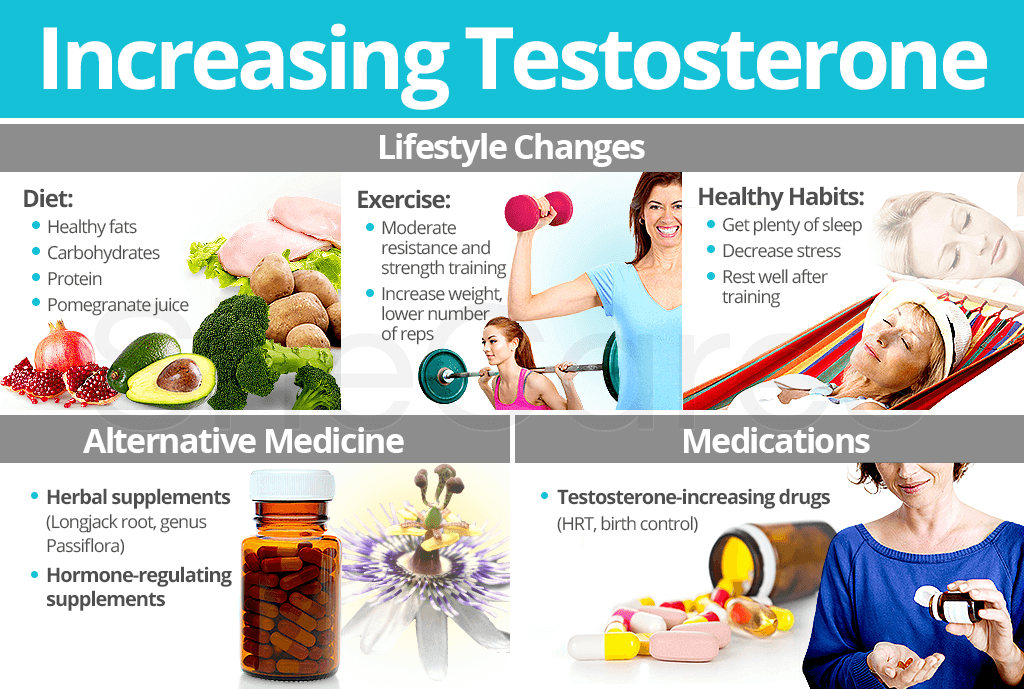
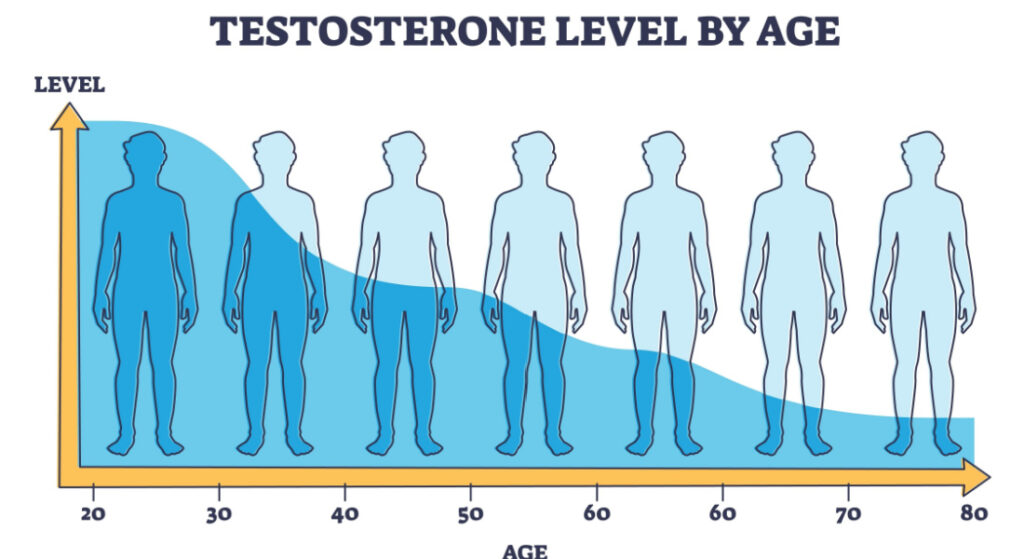
Factors Affecting Testosterone and How to Maintain Balance – Testosterone is a vital hormone that regulates energy, strength, muscle mass, bone density, and sexual health. While levels naturally change throughout life, many lifestyle and environmental influences can either reduce or support healthy testosterone production. Below are seven major factors that affect testosterone and practical ways to maintain balance.

Nutrition

Diet and Nutrition for Hormonal Health

Diet and Nutrition for Hormonal Health

Hormones are chemical messengers that regulate nearly every function in the body—from metabolism and mood to reproductive health, sleep, and energy balance. When they fall out of balance, symptoms such as fatigue, mood swings, irregular cycles, weight fluctuations, and even skin issues can appear. While genetics and lifestyle play roles, diet and nutrition are among the most powerful tools we have to support healthy hormone function. The right foods can help stabilize blood sugar, reduce inflammation, support detoxification, and provide the building blocks the body needs for optimal hormonal balance.

Testosterone

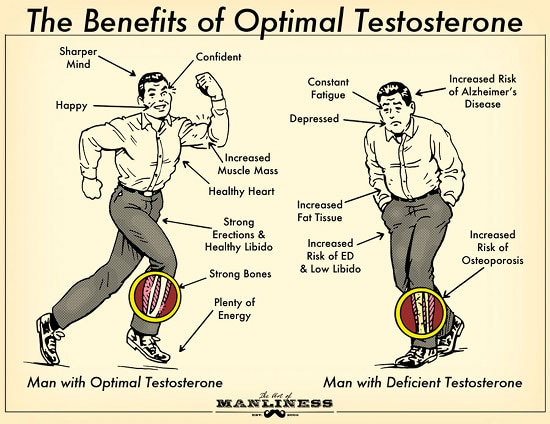
What is Testosterone and Why It Matters

Testosterone is a hormone that plays a central role in human health, particularly in men but also in women. It belongs to a group of hormones known as androgens and is primarily produced in the testes in men and the ovaries in women, with small amounts also secreted by the adrenal glands. Though testosterone is often associated with masculinity, its influence extends far beyond sexual traits—it impacts physical health, mental well-being, and overall quality of life.

FDA Approval

Avutometinib/Defactinib (Avmapki Fakzynja Co-Pack) FDA Approved

Avmapki Fakzynja Co-Pack, a co-packaged oral combination of avutometinib capsules and defactinib tablets, received accelerated approval from the U.S. FDA on May 8, 2025 for the treatment of adult patients with KRAS-mutated recurrent low-grade serous ovarian cancer (LGSOC) who have undergone at least one prior systemic therapy

Scroll to Top