A Rising Concern: Colon Cancer in the Young
Colon cancer, once thought to primarily affect older adults, is now increasingly being diagnosed in people under 50. Medical experts are sounding the alarm as cases among young adults continue to climb worldwide. This shift has caught many doctors and patients by surprise, as younger people are less likely to undergo routine screening and may overlook early warning signs.
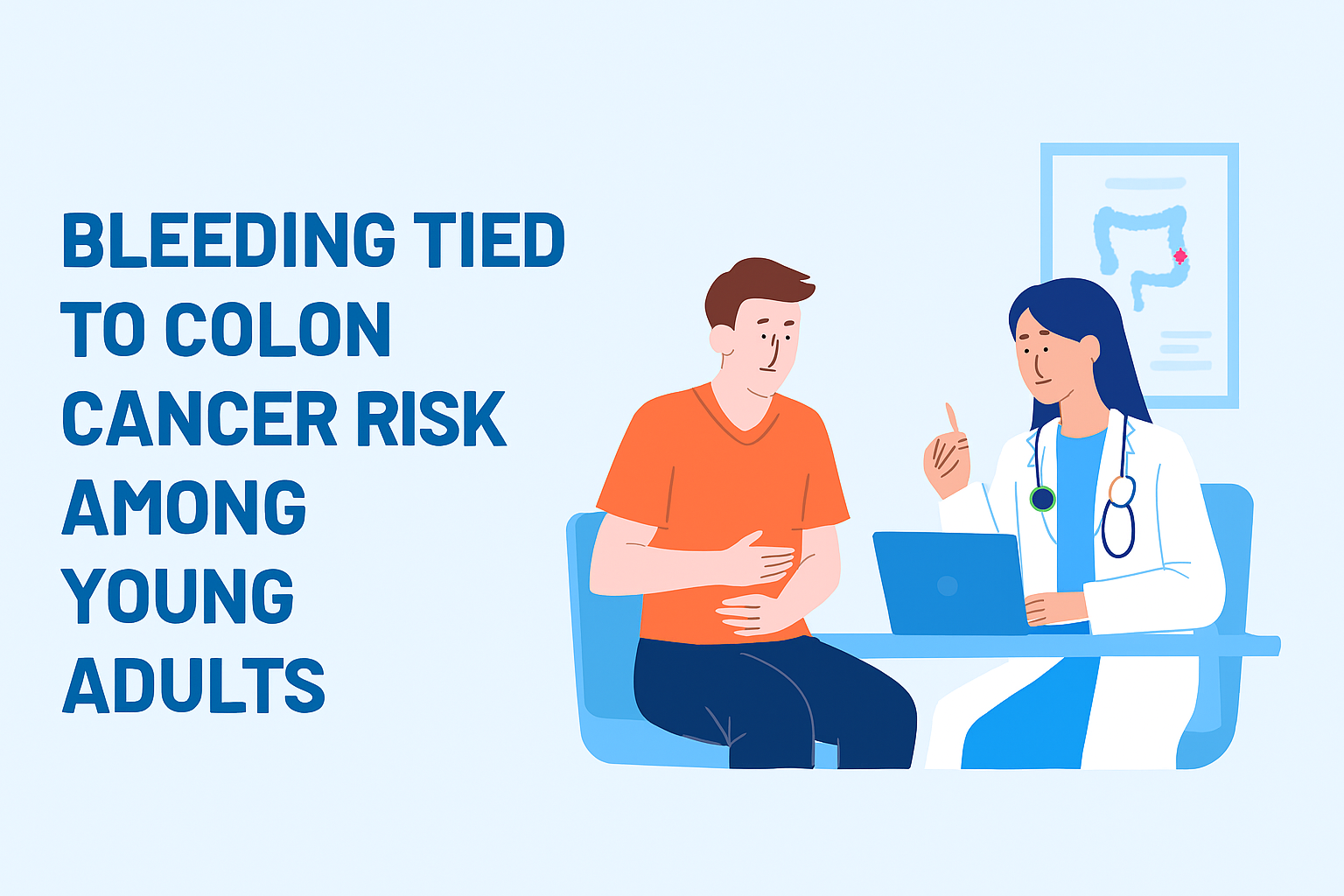
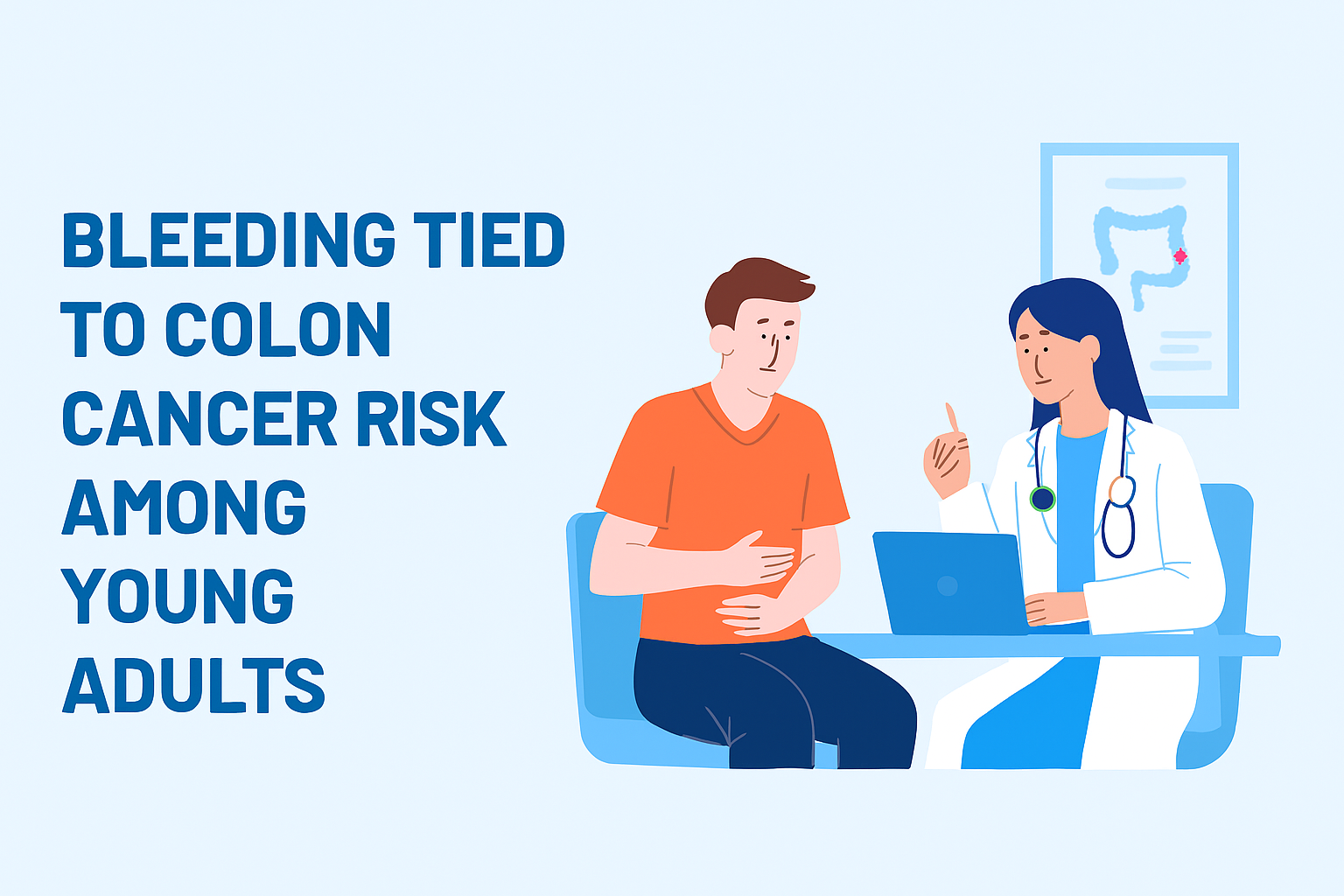
One of the most concerning red flags that is often ignored is rectal bleeding — a symptom that can easily be mistaken for something harmless like hemorrhoids or constipation. However, recent studies show that bleeding, especially when persistent, could be an early sign of colorectal cancer.
Why Rectal Bleeding Should Never Be Ignored
Rectal bleeding can result from several conditions, including hemorrhoids, fissures, or infections. Yet, when bleeding is frequent, appears mixed with stool, or is accompanied by other symptoms such as fatigue or abdominal pain, it requires urgent medical attention.
Unfortunately, many young people feel embarrassed or assume the cause is minor. This leads to delayed diagnosis, which is one reason colon cancer in younger patients is often detected at more advanced stages.
The Growing Trend of Early-Onset Colon Cancer
According to research from the American Cancer Society, colon cancer rates among individuals aged 20–49 have nearly doubled over the past 30 years. While the exact reasons are still being studied, doctors believe factors such as diet, obesity, physical inactivity, genetics, and gut microbiome changes may play key roles.
Because younger adults are not routinely screened until age 45, these cancers often remain undetected until symptoms worsen. Early detection is critical — the survival rate for colon cancer drops significantly once the disease spreads beyond the colon.
Common Warning Signs and Symptoms
Bleeding is one of the earliest and most visible signs of colorectal cancer, but there are other symptoms young adults should watch for, including:
- Changes in bowel habits (diarrhea or constipation) lasting more than a few days
- Narrow or ribbon-like stools
- Unexplained weight loss
- Persistent abdominal pain or cramping
- Fatigue or weakness
If you notice one or more of these symptoms along with bleeding, it’s important to consult a doctor immediately for further evaluation.
The Importance of Early Screening
Screening for colon cancer has proven to save lives. The U.S. Preventive Services Task Force now recommends beginning colon cancer screening at age 45 for most adults. Those with a family history or other risk factors may need to start earlier.
Colonoscopy is considered the most effective screening tool, as it allows doctors to detect and remove precancerous polyps. For those hesitant about the procedure, stool-based screening tests are also available, but a positive result should always be followed by a colonoscopy.
Lifestyle and Prevention Tips
While not all cases of colon cancer can be prevented, certain lifestyle changes can lower risk:
- Eat a diet rich in fiber, fruits, and vegetables
- Limit red and processed meats
- Maintain a healthy weight
- Exercise regularly
- Avoid smoking and limit alcohol intake
These habits not only support digestive health but also contribute to overall well-being. generate ul li list html code
When to See a Doctor
Any unexplained rectal bleeding, even a small amount, should be discussed with a healthcare provider. If your doctor dismisses the symptom without proper investigation, seek a second opinion. Early action can mean the difference between a simple treatment and a life-threatening diagnosis.