
Introduction
Breastfeeding is widely recognized for its physical health benefits for infants, including improved immunity and nutrition. In recent years, growing research has also highlighted its positive impact on maternal mental health. Evidence suggests that breastfeeding is associated with lower odds of depression and anxiety, particularly during the postpartum period—a time when many mothers are vulnerable to emotional and psychological challenges.
Postpartum Mental Health Challenges
Depression and anxiety are common among new mothers, affecting emotional well-being, bonding with the baby, and overall quality of life. Hormonal changes, sleep deprivation, physical recovery after childbirth, and the demands of caring for a newborn can contribute to mental health difficulties. Postpartum depression and anxiety, if left unaddressed, can have long-term consequences for both mother and child, making prevention and early support essential.
Hormonal Benefits of Breastfeeding
One of the key reasons breastfeeding may reduce the risk of depression and anxiety lies in hormonal regulation. Breastfeeding stimulates the release of oxytocin, often referred to as the “bonding hormone.” Oxytocin promotes relaxation, reduces stress, and enhances emotional connection between mother and baby. Additionally, prolactin, another hormone involved in milk production, has calming effects that may support emotional stability and reduce anxiety levels.
Emotional Bonding and Confidence
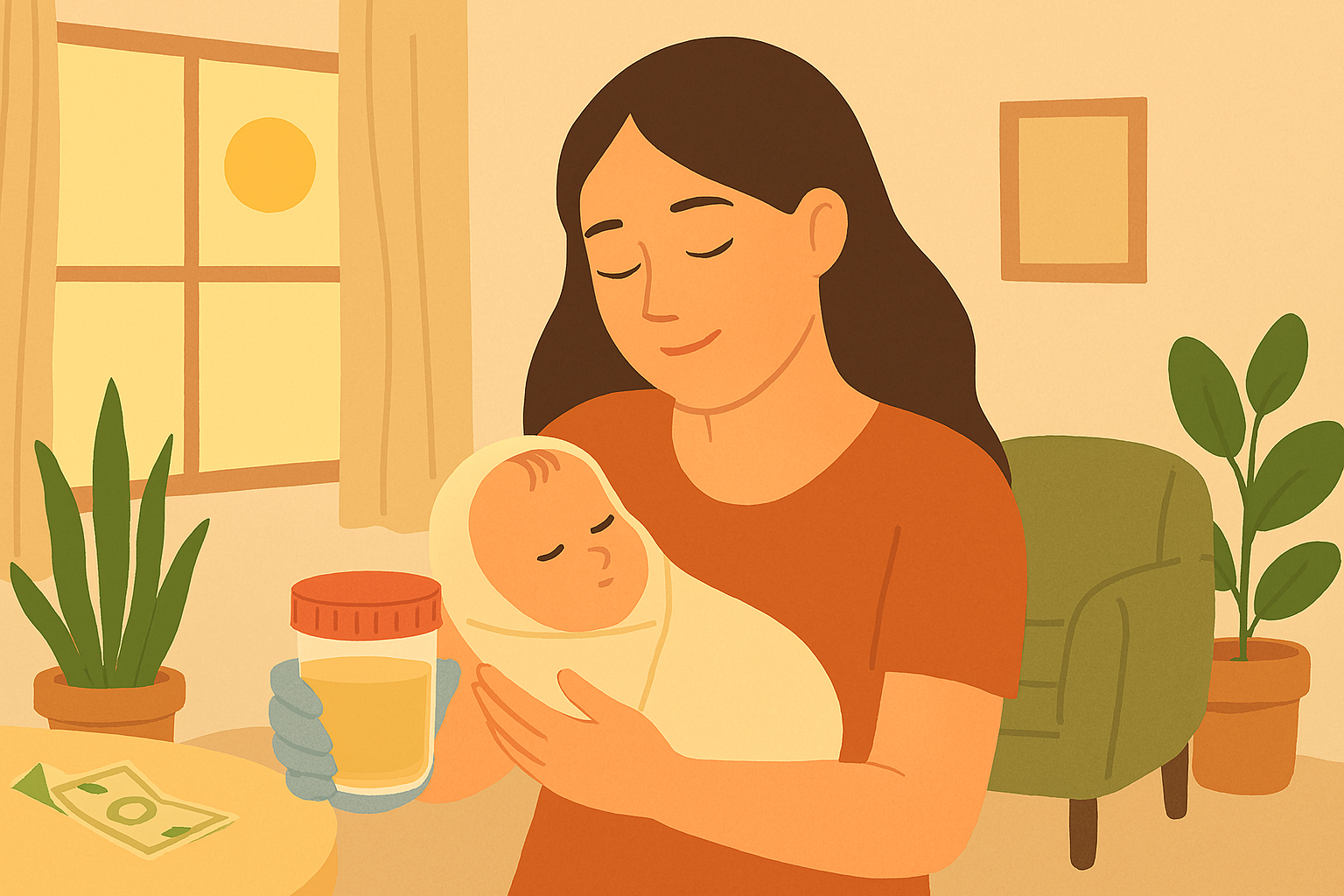
Breastfeeding can strengthen the emotional bond between mother and infant, fostering feelings of closeness, purpose, and confidence in caregiving abilities. This bonding experience may help mothers feel more connected and emotionally fulfilled, which can protect against feelings of isolation and sadness. Successfully breastfeeding may also boost maternal self-esteem, particularly for women who feel supported and informed throughout the process.
Stress Reduction and Routine
The act of breastfeeding encourages mothers to slow down, rest, and establish a regular routine with their baby. These moments of physical closeness and quiet can help reduce stress and promote mindfulness. Skin-to-skin contact during breastfeeding has been shown to lower cortisol levels, the body’s primary stress hormone, which may further reduce symptoms of anxiety and emotional distress.
The Role of Support Systems
While breastfeeding can offer mental health benefits, these outcomes are strongly influenced by the level of support a mother receives. Access to lactation consultants, supportive partners, family encouragement, and understanding healthcare providers plays a crucial role. When breastfeeding is painful, stressful, or pressured without adequate support, it may have the opposite effect and increase emotional strain. Therefore, choice, flexibility, and support are key factors in achieving positive mental health outcomes.
Conclusion
Breastfeeding is associated with lower odds of depression and anxiety, likely due to hormonal effects, emotional bonding, and stress reduction. However, the mental health benefits depend heavily on adequate support and personal choice. By promoting informed, supportive, and nonjudgmental care, healthcare systems can help improve both maternal mental health and overall family well-being.