overview
Erectile Dysfunction (ED) refers to the consistent difficulty in achieving or maintaining an erection firm enough for sexual activity. It is a common condition affecting men of all ages, but it becomes more frequent with age. Although occasional erection problems are normal, frequent or persistent ED can indicate an underlying medical, psychological, or lifestyle-related issue. Understanding the causes is essential because ED is often a symptom of broader health concerns that require attention.
Physical / Medical Causes
a) Cardiovascular Diseases
One of the most common causes of ED is poor blood flow to the penis. Conditions such as atherosclerosis (hardening of arteries), high blood pressure, and high cholesterol restrict the movement of blood through the vessels. Since an erection depends on healthy blood circulation, any obstruction in arteries can make it difficult to get or keep an erection.
b) Diabetes
Diabetes—both type 1 and type 2—damages nerves and blood vessels over time. High blood sugar can impair the nerves responsible for erections and reduce blood flow, making ED significantly more common among diabetic men.
c) Hormonal Imbalances
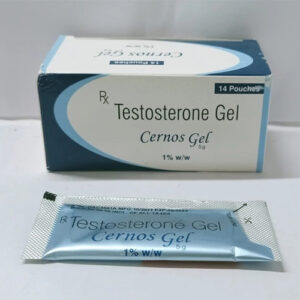
Lower levels of testosterone can reduce sexual desire and erectile function. Thyroid disorders, high prolactin levels, and other hormonal problems can also contribute. Hormonal imbalance is often treatable once identified.
d) Neurological Disorders
Conditions that affect the nervous system, such as Parkinson’s disease, multiple sclerosis, stroke, or spinal cord injuries, can interfere with nerve signals between the brain and penis.
e) Obesity and Metabolic Syndrome
Excess body fat leads to lower testosterone, poor cardiovascular health, and increased inflammation—all of which raise ED risk. Metabolic syndrome (a combination of obesity, high blood pressure, abnormal cholesterol, and insulin resistance) is strongly connected to erectile problems.
f) Medication Side Effects
Some prescription medications can trigger ED. Common examples include:
Blood pressure drugs
Antidepressants
Antipsychotics
Hormone-altering medications
Some ulcer or prostate medicines
If ED started after a new medication, a doctor may adjust doses or switch medicines.
g) Prostate-related Conditions
Treatments for prostate cancer—including surgery and radiation—can damage nerves and blood vessels required for erection. Prostatitis (prostate inflammation) can also temporarily cause ED.
Psychological Causes
a) Stress
Daily stress—related to work, finances, or personal issues—can interfere with sexual focus and performance. Stress increases hormones like cortisol, which reduce sexual desire and interrupt the erection process.
b) Anxiety
Performance anxiety, fear of failure, or overthinking sexual performance can create a cycle where anxiety causes ED, and ED increases anxiety.
c) Depression
Depression lowers libido and reduces overall energy and motivation. Some antidepressants also contribute to sexual problems, making emotional support and medical guidance important.
d) Relationship Issues
Communication problems, unresolved conflicts, emotional distance, or lack of trust with a partner can affect sexual ability. Relationship counseling or open communication often helps.
Lifestyle-Related Causes
a) Smoking
Smoking damages blood vessels and reduces nitric oxide, a chemical needed for erections. It is one of the major preventable causes of ED.
b) Alcohol
While small amounts of alcohol may relax the body, heavy or chronic alcohol use interferes with testosterone production and damages nerves needed for sexual function.
c) Lack of Physical Activity
Sedentary lifestyle contributes to obesity, poor circulation, and metabolic issues—all of which lead to ED.
d) Illicit Drug Use
Drugs like cocaine, marijuana (in heavy use), opioids, and amphetamines can alter brain chemistry and reduce sexual function.
Age-Related Factors
While ED is not a normal part of aging, the risk increases with age because older men are more likely to have underlying conditions like diabetes, cardiovascular disease, or hormonal changes.
Conclusion
Erectile Dysfunction is a complex condition with multiple potential causes—physical, psychological, lifestyle-related, or a combination of these factors. The good news is that ED is treatable in most cases. Identifying the underlying cause through proper medical evaluation is the first step toward effective management and restoring healthy sexual function.