Chronic Rhinosinusitis and Quality of Life
Chronic rhinosinusitis (CRS) is a long-term inflammatory condition affecting the nasal passages and sinuses. It’s typically defined by symptoms lasting more than 12 weeks, including nasal blockage, discharge, facial pressure/pain, and reduced smell. These symptoms can lead to significant physical discomfort, sleep disturbances, emotional stress, and reduced daily functioning, which together reduce overall quality of life (QoL). CRS patients often report worse scores on validated questionnaires like the Sino-Nasal Outcome Test-22 (SNOT-22) compared with healthy individuals, indicating poorer QoL.
CRS often overlaps with other conditions such as allergic rhinitis, which itself negatively affects QoL by worsening nasal symptoms like congestion and itching. This comorbidity can compound the disease burden, making symptom management and overall well-being even more challenging.
Role of Pollen Exposure
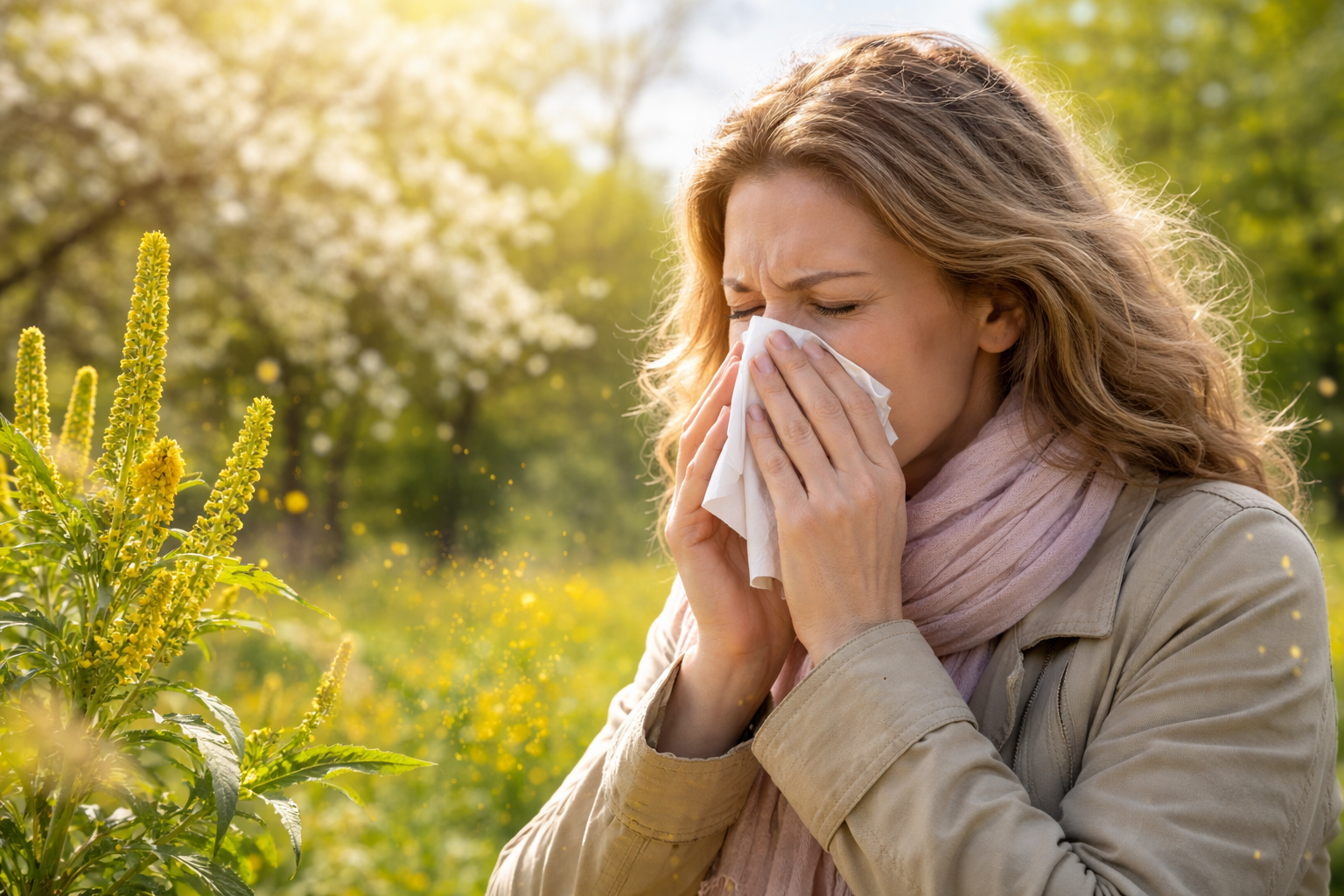
Although environmental factors like air pollution have been studied extensively in CRS, the impact of pollen exposure hasn’t been well understood until recently. Pollen—tiny grains released by trees, grasses, and weeds—is a common aeroallergen that triggers immune responses in sensitive individuals. These responses often include IgE-mediated allergic inflammation in the sinonasal mucosa, which can aggravate upper airway symptoms. Chronic exposure to pollen can increase inflammatory cells and mediators locally in nasal tissues, potentially contributing to heightened sinonasal irritation and persistence of symptoms.
Recent research suggests that long-term exposure to certain types of pollen (e.g., ragweed and weed pollen) is associated with worse CRS symptoms and poorer QoL outcomes. In a multi-institutional pilot study, investigators analyzed data from 103 adult CRS patients across four academic centers. They correlated five-year mean pollen exposure (based on residence and National Allergy Bureau pollen counts) with QoL scores measured by SNOT-22 and SF-6D (a general health utility measure).
Key Study Findings
The study found statistically significant correlations between higher pollen exposure and worse QoL outcomes:
Ragweed pollen exposure was associated with:
Higher SNOT-22 scores → indicating worse disease-specific symptoms like nasal congestion, facial discomfort, and sleep disturbance.
Lower SF-6D health utility scores → indicating poorer overall health-related QoL.
Weed pollen exposure also correlated with higher SNOT-22 scores, though its link to general health utility was less clear.
These correlations, though modest, suggest that long-term airborne pollen exposure may be a meaningful environmental factor that worsens sinonasal disease severity and reduces patients’ QoL.
Mechanisms Behind Pollen’s Impact
The proposed biological mechanisms include:
Allergic inflammation: Pollen can trigger IgE-mediated responses in sensitized individuals, leading to increased inflammatory cell infiltration in nasal mucosa.
Mucosal hypersensitivity: Prolonged exposure may disrupt epithelial barriers, making tissues more sensitive to irritants and increasing symptom severity.
Exacerbation of sinus symptoms: These pathophysiological changes may amplify common CRS symptoms (e.g., congestion, postnasal drip, facial pain) that directly worsen QoL.
It’s also important to note that not all CRS patients are allergic; yet even those without classic seasonal allergies may still experience worse sinonasal symptoms during high-pollen exposure, possibly due to non-IgE immune pathways or cumulative irritation.
Limitations and Future Directions
While the study provides valuable insights, it has limitations:
Sample size and generalizability: Only 103 patients from select regions were studied.
Exposure estimation: Pollen exposure was based on regional averages (zip code data), not direct individual measurements.
Confounding factors: Other environmental factors (pollution, climate variations) could influence symptoms.
Future research should include larger, prospective studies, integrate personal pollen exposure monitoring, and better distinguish between allergic and non-allergic mechanisms.
Clinical and Practical Implications
Understanding pollen’s impact on CRS QoL could lead to:
Improved patient education about environmental triggers.
Seasonal management strategies (e.g., air filtration, timing of therapies during high-pollen seasons).
Personalized treatment plans for patients with documented pollen sensitivity.
Conclusion
In summary, emerging evidence indicates that long-term exposure to airborne pollen, especially weed and ragweed pollen, may negatively affect quality of life in individuals with chronic rhinosinusitis by worsening sinonasal symptoms and overall health status. While further research is needed, these findings highlight the importance of considering environmental pollen exposure in the management of CRS.