
Introduction
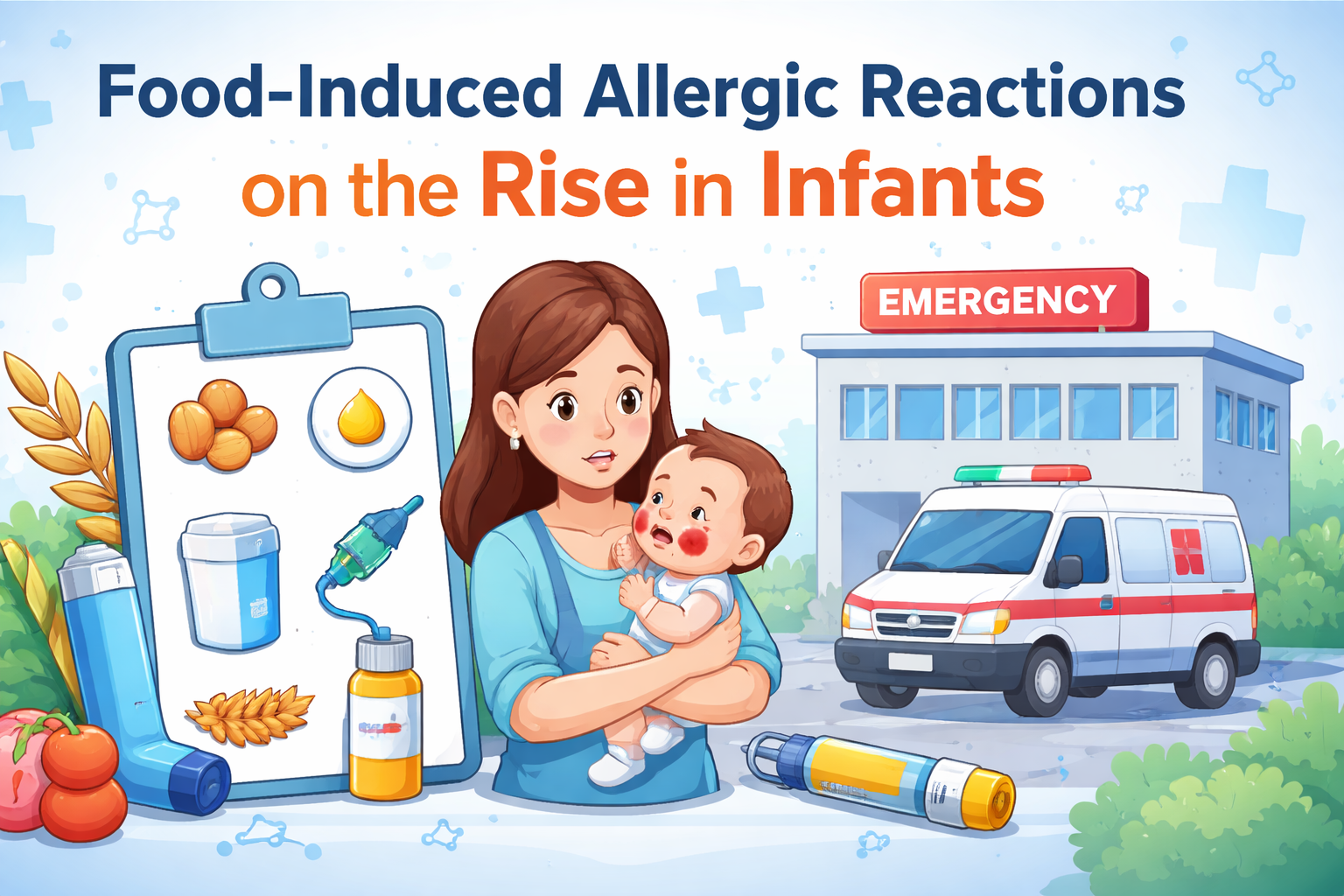
Food-induced allergic reactions in infants have become a growing public health concern worldwide. In recent years, emergency departments (EDs) have reported a noticeable rise in infant visits due to severe allergic reactions triggered by food. These reactions can range from mild skin symptoms to life-threatening anaphylaxis, making early recognition and prevention critical. Understanding the causes, common triggers, symptoms, and preventive strategies can help parents and caregivers protect infants from serious outcomes.
Understanding Food Allergies in Infants
A food allergy occurs when the immune system mistakenly identifies a harmless food protein as a threat and launches an immune response. In infants, the immune and digestive systems are still developing, making them more susceptible to allergic reactions. Even a small amount of an allergenic food can trigger symptoms. Unlike food intolerance, which mainly affects digestion, food allergies involve the immune system and can become medical emergencies.
Rising Trends in Emergency Department Visits
Data from pediatric healthcare providers indicate a steady increase in ED visits related to food-induced allergic reactions among infants. Factors contributing to this rise include increased awareness and diagnosis, changes in dietary patterns, and earlier introduction of solid foods. Additionally, more infants are being exposed to allergenic foods at a younger age, sometimes without clear guidance, leading to unexpected and severe reactions requiring emergency care.
Common Food Triggers
Certain foods are responsible for the majority of allergic reactions in infants. The most common triggers include cow’s milk, eggs, peanuts, tree nuts, soy, wheat, fish, and shellfish. Among these, cow’s milk and eggs are particularly common in infants, as they are often introduced early. Peanut allergies, though less frequent in infancy, tend to be more severe and are a leading cause of anaphylaxis-related ED visits.
Symptoms That Require Emergency Care
Food-induced allergic reactions can appear within minutes to a few hours after exposure. Mild symptoms include hives, skin redness, itching, vomiting, and diarrhea. However, severe reactions—known as anaphylaxis—can involve swelling of the lips or tongue, difficulty breathing, wheezing, a sudden drop in blood pressure, and loss of consciousness. Any signs of breathing difficulty or rapid symptom progression require immediate emergency medical attention.
Risk Factors in Infants
Several factors increase an infant’s risk of food allergies. A family history of allergies, asthma, or eczema significantly raises the likelihood. Infants with moderate to severe eczema are also at higher risk. Environmental factors, such as reduced microbial exposure and changes in gut health, may play a role as well. Improper or unsupervised food introduction can further elevate the risk of severe allergic reactions.
Prevention and Early Management
Recent research suggests that introducing allergenic foods in small, controlled amounts around 4–6 months of age, under medical guidance, may help reduce the risk of developing food allergies. Parents should introduce one new food at a time and closely observe for reactions. For infants diagnosed with food allergies, strict avoidance of trigger foods and having an emergency action plan are essential. Caregivers should also be educated on recognizing symptoms and using emergency medications if prescribed.
Conclusion
The rise in food-induced allergic reactions requiring emergency department visits among infants highlights the need for better awareness, early diagnosis, and preventive strategies. With proper guidance, careful food introduction, and prompt recognition of symptoms, many severe reactions can be avoided. Protecting infants from food allergies requires a collaborative effort between parents, caregivers, and healthcare professionals to ensure safer and healthier early childhood development.
Our Products
-
Gabapentin 400mg
$1.00 / Per Pill

-
Gabapentin 300mg
$1.00 / Per Pill

-
Fenbendazole 500mg
$3.00 / Per Pill