
What It Feels Like
People with depression and anxiety often feel stuck in a never-ending loop. Depression makes it hard to find motivation to get out of bed, go to work, eat, or even take a shower. Things that once brought joy—music, hobbies, socializing—now feel meaningless. Meanwhile, anxiety fuels constant unease, with thoughts spinning out of control. A person may overthink conversations, fear future events, or worry obsessively about things that seem small to others.
This mix of emotions creates intense internal conflict. A person might desperately want to get things done, but the heaviness of depression stops them, leading to guilt and more anxiety. At the same time, anxiety makes them feel like they’re never doing enough, which worsens the depression. It’s a constant push and pull that drains energy and hope.
Common Symptoms of Depression
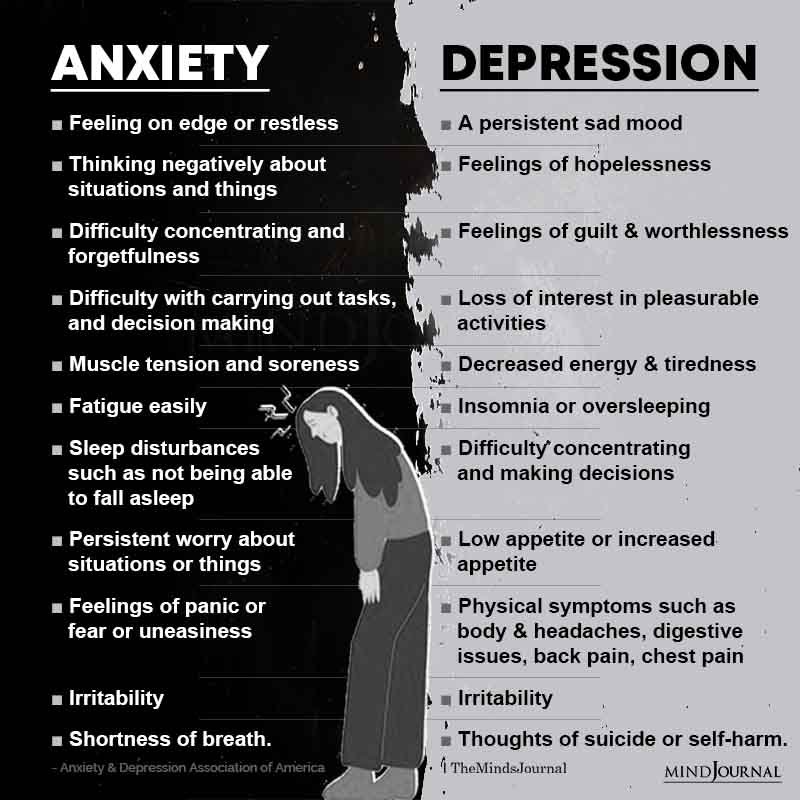
When both conditions are present, symptoms often overlap and intensify. Some of the most common include:
Persistent sadness or emptiness
Excessive worry or fear
Irritability or mood swings
Fatigue or low energy
Difficulty concentrating or making decisions
Sleep problems—insomnia or oversleeping
Changes in appetite or weight
Restlessness or feeling on edge
Feelings of guilt, worthlessness, or helplessness
Physical symptoms like headaches, muscle tension, and stomach issues
Avoidance of social situations or responsibilities
It’s not unusual for people with depression and anxiety to feel emotionally numb at times, and then overwhelmed by panic or guilt the next moment. This unpredictability can lead to frustration and confusion, both for the person experiencing it and those around them.
Impact on Daily Life
The combination of depression and anxiety affects every area of life. Relationships often suffer as the individual may withdraw from friends and family or become overly dependent on others. Work and school performance can decline due to lack of concentration, fatigue, or frequent absences. Even basic tasks like grocery shopping or making a phone call can feel impossible.
People may also struggle with self-esteem and identity. They may feel “broken” or question their worth. Many live with a strong inner critic, constantly judging themselves for not being “normal” or “productive.” This can increase feelings of shame and make it harder to seek help.

Understanding the Causes
There is no single cause of depression and anxiety. A combination of genetic, biological, environmental, and psychological factors often plays a role. A family history of mental health conditions, past trauma, chronic stress, chemical imbalances in the brain, and negative thinking patterns can all contribute.
Often, one condition can lead to the other. For example, someone with chronic anxiety may become depressed due to constant stress and fear. On the flip side, someone with depression might develop anxiety from the pressure of trying to function while feeling so low.
Hope and Recovery
While depression and anxiety can feel isolating, they are treatable. Many people with these conditions go on to live fulfilling lives with proper support and treatment. Psychotherapy—especially Cognitive Behavioral Therapy (CBT)—can help identify negative thinking patterns and develop healthier coping strategies. Medications like antidepressants can balance brain chemistry and ease symptoms. Lifestyle changes, including exercise, sleep, mindfulness, and social support, also play a key role in recovery.
The first step is often the hardest: reaching out. Whether it’s to a friend, therapist, or doctor, asking for help opens the door to healing. Living with depression and anxiety is hard—but no one has to go through it alone.