Introduction
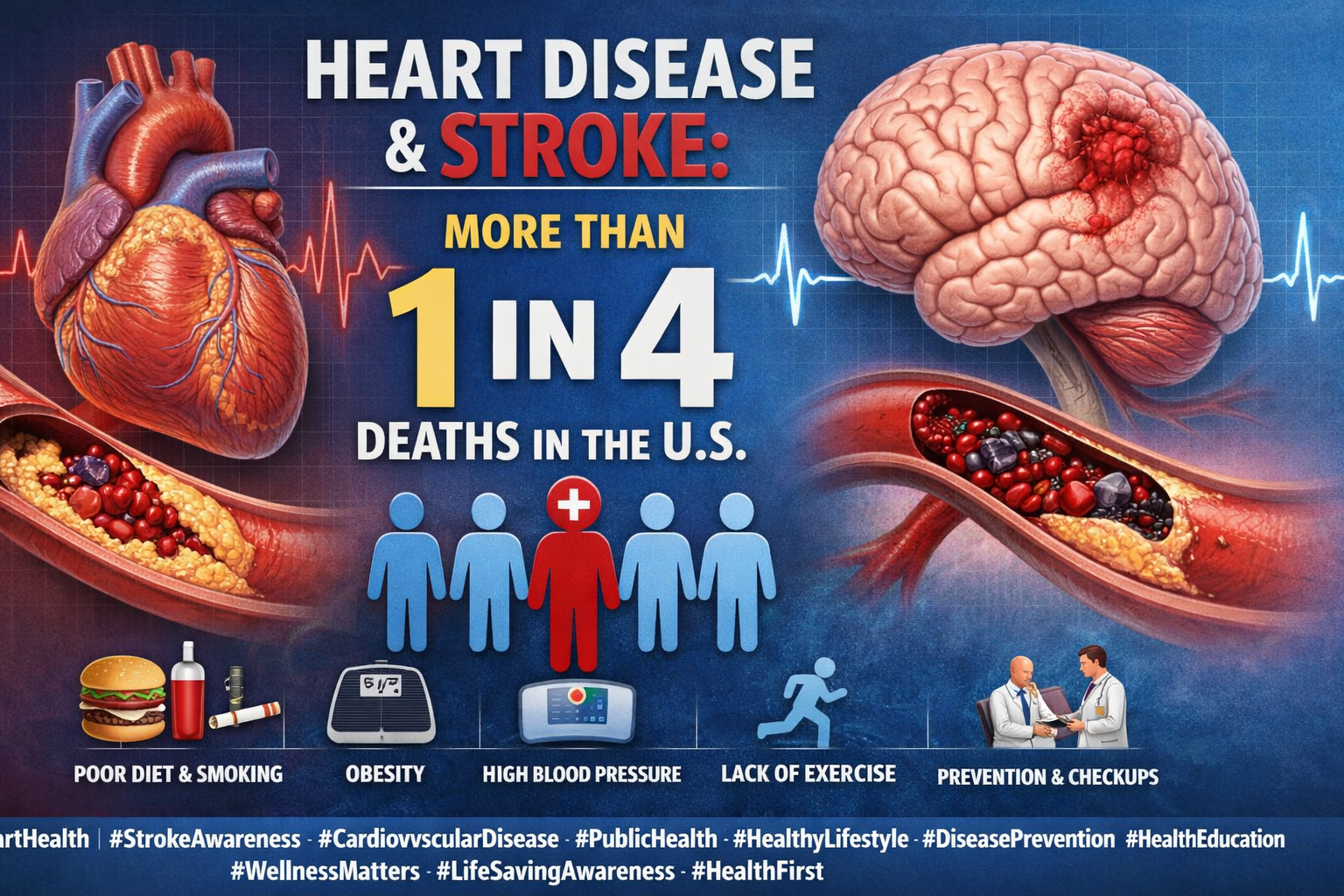
Heart disease and stroke together account for more than one in four deaths in the United States, making them among the leading causes of mortality nationwide. These conditions affect millions of people every year and place a heavy burden on individuals, families, and the healthcare system. Understanding their causes, risk factors, and prevention strategies is essential for improving public health and saving lives.
Understanding Heart Disease
Heart disease is a broad term that refers to several conditions affecting the heart and blood vessels. The most common type is coronary artery disease, which occurs when the arteries supplying blood to the heart become narrowed or blocked due to plaque buildup. This can lead to chest pain (angina), heart attacks, heart failure, or irregular heartbeats.
Heart disease often develops slowly over many years and may not show clear symptoms in its early stages. Because of this, many people are unaware they have a heart condition until a serious event occurs.
What Is a Stroke?
A stroke happens when blood flow to a part of the brain is interrupted, depriving brain cells of oxygen and nutrients. There are two main types:
Ischemic stroke, caused by a blocked blood vessel
Hemorrhagic stroke, caused by a ruptured blood vessel
Strokes can result in long-term disability, including paralysis, speech problems, memory loss, and emotional changes. In severe cases, strokes can be fatal.
Why Are These Conditions So Common?
Several factors contribute to the high number of deaths caused by heart disease and stroke in the U.S.:
Unhealthy diets high in salt, sugar, and saturated fats
Physical inactivity and sedentary lifestyles
Smoking and tobacco use
High blood pressure, high cholesterol, and diabetes
Obesity and chronic stress
Aging population, as risk increases with age
Socioeconomic factors such as limited access to healthcare, health education, and nutritious food also play a major role.
Warning Signs and Symptoms
Recognizing early warning signs can save lives.
Heart attack symptoms may include:
Chest pain or pressure
Shortness of breath
Pain in the arm, jaw, neck, or back
Nausea or dizziness
Stroke symptoms may include:
Sudden weakness or numbness (especially on one side of the body)
Difficulty speaking or understanding speech
Sudden vision problems
Severe headache
Immediate medical attention is critical in both cases.
Prevention and Risk Reduction
The good news is that many cases of heart disease and stroke are preventable. Key prevention strategies include:
Eating a balanced diet rich in fruits, vegetables, whole grains, and lean proteins
Engaging in regular physical activity
Maintaining a healthy weight
Avoiding smoking and limiting alcohol consumption
Managing blood pressure, cholesterol, and blood sugar levels
Reducing stress through relaxation and mindfulness techniques
Regular health checkups help detect problems early and reduce complications.
Conclusion
Heart disease and stroke continue to account for more than one in four deaths in the United States, highlighting a major public health challenge. However, with increased awareness, healthy lifestyle choices, and timely medical care, many of these deaths can be prevented. Taking proactive steps today can lead to longer, healthier lives for individuals and communities alike.