Health Background
Hulk Hogan’s imposing presence and muscular frame masked years of intense physical wear and tear. He had undergone more than 25 surgeries, including multiple procedures on his back, knees, shoulders, and most recently, a neck operation in May 2025. These interventions were the result of decades spent performing in the ring, where he famously slammed giants, endured brutal matches, and took part in high-impact stunts.
In the aftermath of his death, medical experts confirmed that Hogan had been privately battling chronic lymphocytic leukemia, a type of slow-growing blood cancer that weakens the immune system. He also suffered from atrial fibrillation, a heart rhythm disorder that can increase the risk of blood clots, stroke, and other cardiac complications.
Together, these underlying conditions, combined with the strain from his past injuries and surgeries, likely accelerated the onset of his fatal heart attack.
Legacy and Public Reaction
The FDA’s approval is based on data from the Phase 3 EXPLORER8 trial, which included 156 male patients aged 12 years and older with hemophilia A or B without inhibitors. Participants were randomized in a 1:2 ratio to either receive:
On-demand therapy with clotting factor concentrates, or
Daily prophylaxis with concizumab (Alhemo)
Key findings include:
Hemophilia B subgroup:
Alhemo reduced the annualized bleeding rate (ABR) by 79% compared to the control group.ABR for Alhemo: 3.1 (median: 1.6)
ABR for control: 14.8 (median: 14.9)
Hemophilia A subgroup:
ABR was reduced by 86%.ABR for Alhemo: 2.7 (median: 2.9)
ABR for control: 19.3 (median: 19.6)
These results demonstrate that Alhemo offers strong protection against both spontaneous and traumatic bleeds.
A Broader Health Message
Medical professionals have used Hogan’s passing as an opportunity to educate the public on heart health—especially for aging individuals who may appear fit but harbor serious internal risks. Even those who exercise regularly or maintain strong physiques can suffer from hidden heart disease or complications like atrial fibrillation.
Doctors emphasize the importance of regular cardiac checkups, managing chronic conditions, and adjusting physical activity levels with age. Hogan’s death is a stark reminder that fitness does not always equate to invincibility, and that the heart, like any muscle, requires care, monitoring, and balance.
Final Thoughts
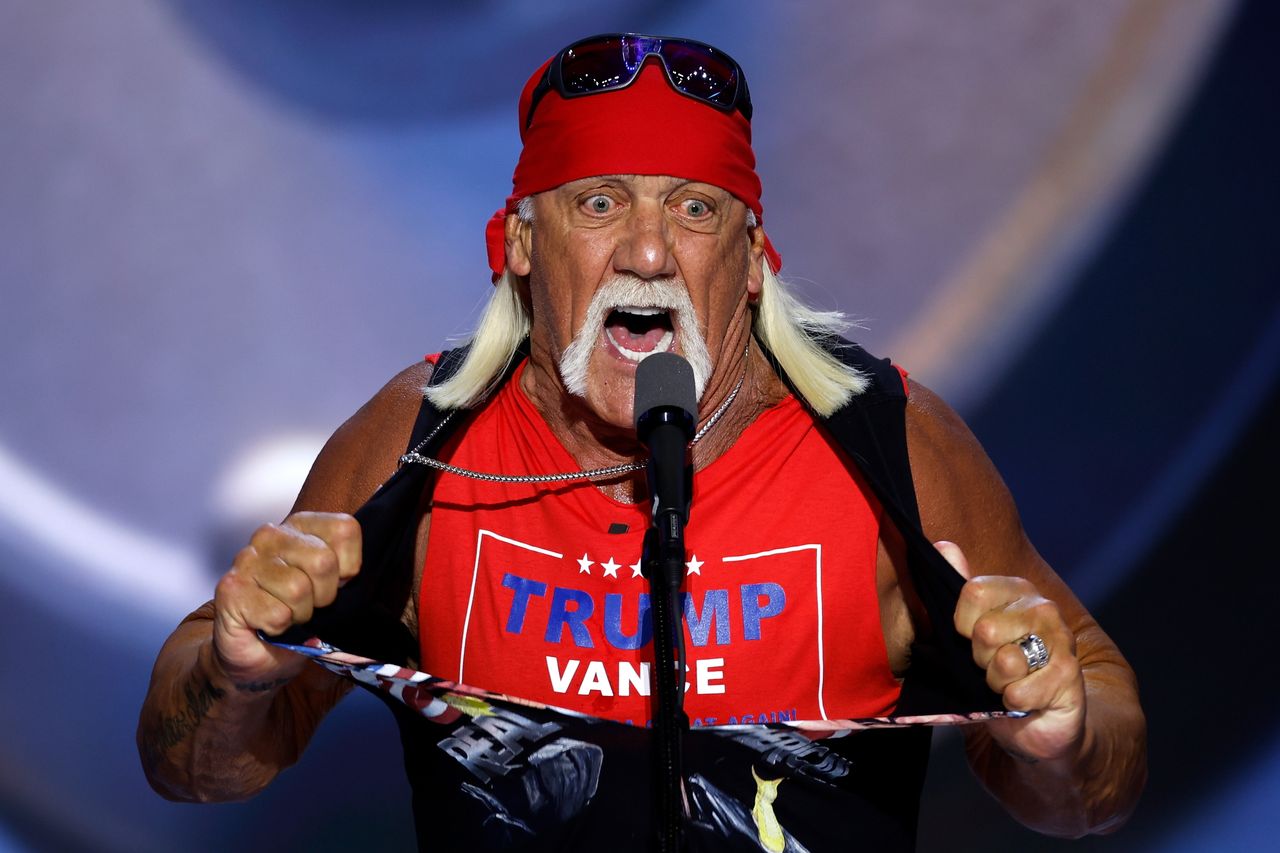
Hulk Hogan’s sudden death marked the end of an era for millions of fans. While his legacy in wrestling and entertainment remains unmatched, his passing also brings valuable lessons about health, aging, and the hidden toll of physical endurance. Behind the legend was a man whose body had endured far more than anyone knew—and whose heart, quite literally, gave all it could.
Let me know if you’d like this in PDF or DOCX format, or expanded for a tribute.
Ask ChatGPT