
Who Are the Uninsured Humanamedicare?
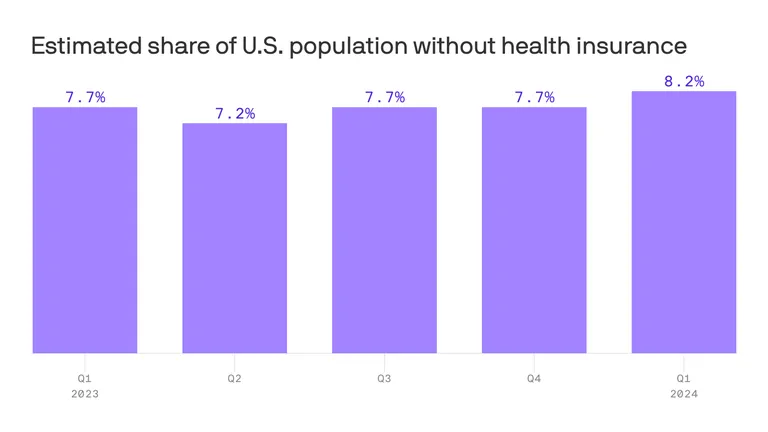
The uninsured population spans various demographics but remains most prevalent among working-age adults (18–64 years old). In 2024, about 23.1 million adults in this group were uninsured, representing 11.6% of the demographic. This is slightly higher than the 21.8 million (10.9%) in 2023. Adults in this age range often fall into coverage gaps—they may earn too much to qualify for Medicaid but too little to afford private insurance or marketplace plans.
Children, although typically covered through public programs like Medicaid and the Children’s Health Insurance Program (CHIP), also experienced a concerning uptick. About 3.7 million children under 18 were uninsured in 2024, translating to 5.1% of the child population—up from 3.9% in 2023. While the increase is not statistically significant, it reverses a long-standing trend of improving child coverage.
Reasons Behind the Lack of Coverage
There are several contributing factors to the persistent rate of uninsurance:
Medicaid Unwinding: Following the COVID-19 pandemic, many states resumed eligibility redeterminations for Medicaid. This led to the disenrollment of millions of people, including some who still qualified but failed to complete the required paperwork.
Affordability Challenges: Even with subsidies, many Americans find marketplace insurance plans unaffordable, particularly if they don’t qualify for full financial assistance.
Immigration and Citizenship Barriers: Non-citizens, including legal residents within their first five years in the U.S., often face restrictions on eligibility for public coverage, making them more likely to be uninsured.
Lack of Employer-Sponsored Insurance: Many workers in low-wage or part-time jobs do not receive health benefits and struggle to afford individual plans.
Disparities in Coverage Humanamedicare
The burden of being uninsured does not fall evenly. Historically, Black, Hispanic, and Indigenous populations have higher uninsured rates than White and Asian populations. Geographic disparities are also significant—people in states that have not expanded Medicaid under the Affordable Care Act (ACA) are more likely to be uninsured. Southern states, in particular, report higher rates of uninsurance due to stricter eligibility criteria and fewer safety-net resources.
Why Health Insurance Matters
Health insurance is not just a financial product—it’s a critical component of access to healthcare. Individuals without coverage are less likely to have a regular source of care, more likely to delay or forgo needed treatment, and face higher medical costs when they do seek care. Studies have shown that being uninsured is associated with worse health outcomes, including higher rates of avoidable hospitalizations and increased mortality.