
Overview
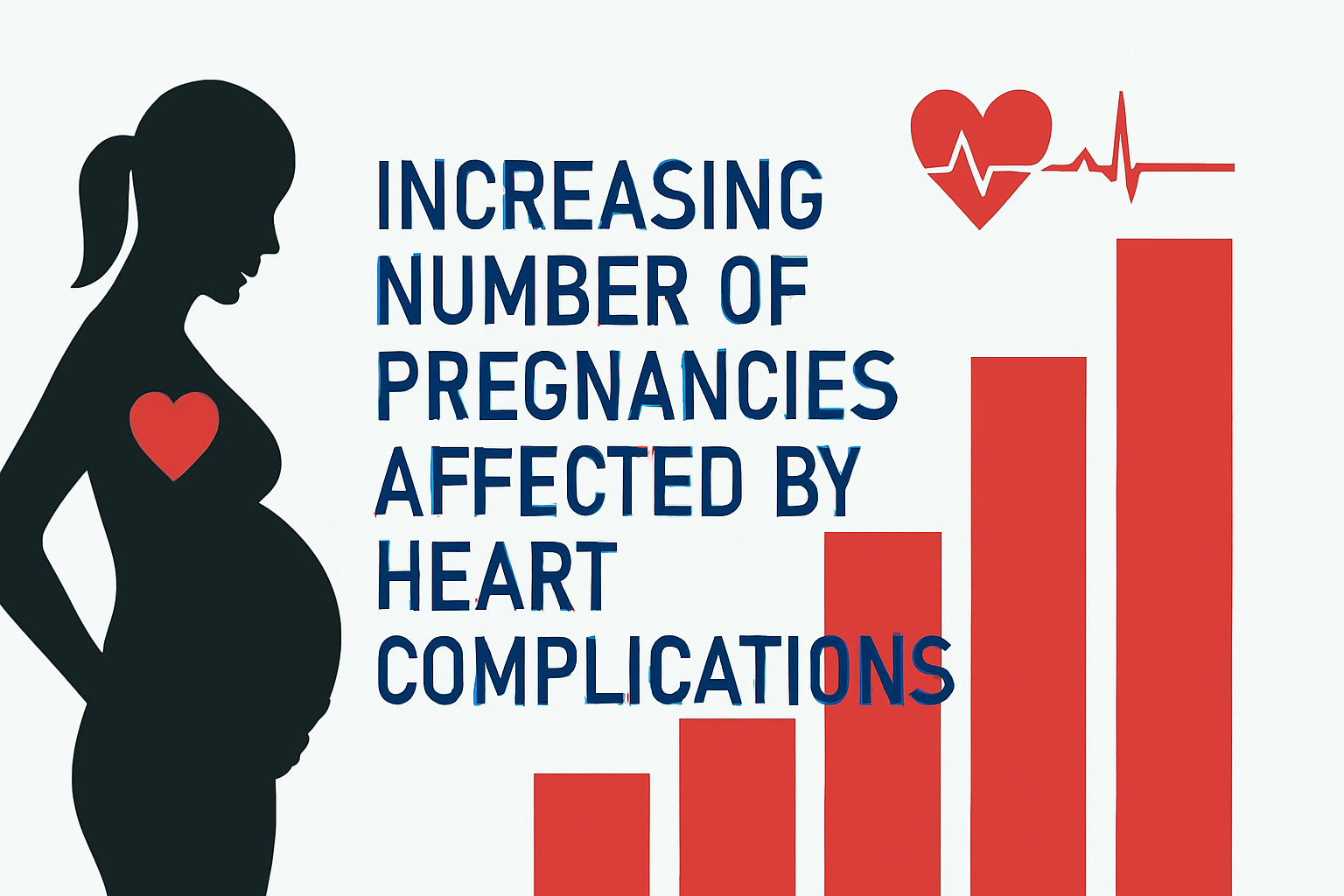
In recent years, there has been a noticeable rise in the number of pregnancies complicated by heart-related conditions. Once considered rare, cardiac issues during pregnancy are now becoming an increasingly common concern for both obstetricians and cardiologists. This alarming trend highlights the need for greater awareness, early diagnosis, and specialized care to protect both maternal and fetal health.
Rising Incidence of Heart Complications in Pregnancy
Cardiac complications in pregnancy can range from mild hypertension to severe heart failure and arrhythmias. According to recent studies, maternal heart disease is now one of the leading causes of pregnancy-related deaths worldwide. Factors such as advanced maternal age, obesity, diabetes, hypertension, and lifestyle changes have contributed significantly to this surge. Many women today are delaying childbirth until their 30s or 40s — an age when the risk of developing cardiovascular problems naturally increases.
Additionally, improvements in medical care have allowed more women with congenital heart disease (CHD) to survive into adulthood and consider pregnancy. While this represents a success of modern medicine, it also brings new challenges. Pregnancy imposes extra stress on the heart and circulatory system — blood volume increases by nearly 50%, heart rate rises, and cardiac output surges. For women with pre-existing heart problems, this physiological demand can sometimes become overwhelming.
Types of Heart Conditions Seen During Pregnancy
The spectrum of heart complications seen during pregnancy includes both congenital and acquired disorders. Common conditions include:
Hypertensive heart disease: Chronic hypertension or preeclampsia can lead to cardiac strain, arrhythmias, and even heart failure.
Peripartum cardiomyopathy: A rare but serious condition where the heart weakens during the last month of pregnancy or within five months after delivery.
Congenital heart defects: Women born with structural heart problems may experience complications during pregnancy despite prior corrective surgery.
Ischemic heart disease: Increasingly seen due to lifestyle-related risk factors such as obesity, smoking, and diabetes.
Each condition carries unique risks and requires careful management tailored to the mother’s cardiovascular health and the stage of pregnancy.
Risk Factors Behind the Trend
The growing prevalence of heart disease in pregnant women is influenced by a combination of social, lifestyle, and medical factors. Sedentary lifestyles, poor diet, smoking, and high stress levels all contribute to the rise in cardiovascular conditions among women of childbearing age. The global increase in obesity and diabetes further compounds this issue.
Moreover, societal trends such as delaying childbirth and the widespread use of fertility treatments — which increase the likelihood of multiple pregnancies — place additional strain on the heart. Even previously healthy women can develop gestational hypertension or preeclampsia, both of which elevate cardiovascular risk during and after pregnancy.
Diagnosis and Management
Early detection is crucial in managing heart complications during pregnancy. Routine prenatal checkups that include blood pressure monitoring, heart rate assessment, and possibly echocardiograms for high-risk women can make a life-saving difference. Once identified, a multidisciplinary care approach — involving obstetricians, cardiologists, and anesthesiologists — ensures that both mother and baby receive optimal care.
Treatment depends on the type and severity of the condition. Some women may require medications that are safe during pregnancy, while others might need close monitoring or early delivery if the heart function deteriorates. In extreme cases, intensive care or surgical intervention may be necessary.
The Importance of Postpartum Care
The risk of cardiac complications does not end after childbirth. Many women with pregnancy-induced cardiac issues, such as peripartum cardiomyopathy, may experience lingering symptoms or long-term heart failure. Regular follow-up, a healthy diet, and controlled physical activity are essential components of recovery.
Conclusion
The rising number of pregnancies affected by heart complications is a wake-up call for healthcare systems and women alike. Awareness, preventive care, and timely intervention can save lives. Women planning pregnancy should undergo preconception health screening, especially if they have known risk factors. With coordinated medical care and lifestyle adjustments, it is possible for most women with heart conditions to have safe pregnancies and healthy babies.
As medical science advances, the focus must shift toward not only treating these complications but also preventing them through education, early intervention, and holistic maternal health care.
Our Products
-
Amoxicillin Capsules 500MG
$1.25 / Per Pill

-
Cialis 20mg
$1.00 / Per Pill

-
Doxycycline 100MG
$2.00 / Per Pill