

Background & Sudden Exit
Dr. Vinay Prasad, a hematologist-oncologist and outspoken critic of both FDA approval standards and public health policy, was appointed in May 2025 by Commissioner Marty Makary to lead CBER, the FDA division overseeing vaccines, gene therapies, and blood products
His tenure quickly became controversial when he ordered a temporary halt to shipments of Sarepta Therapeutics’ gene therapy for Duchenne muscular dystrophy (DMD) following two patient deaths, only to reverse course shortly afterward
Return to FDA: A Stunning Reinstatement
Less than two weeks later, on August 9, 2025, the Department of Health and Human Services (HHS) confirmed that Dr. Prasad would be reinstated as head of CBER at the FDA’s request
HHS spokesperson Andrew Nixon defended the reinstatement, emphasizing that media-driven controversies should not interfere with the agency’s missio.
The return was broadly seen as a victory for FDA Commissioner Marty Makary and Health Secretary Robert F. Kennedy Jr., both of whom opposed Prasad’s ouste.
Political Turmoil Meets Biotech Markets
Prasad’s abrupt exit and reinstatement have spotlighted significant instability within the FDA. Barron’s highlighted the broader murkiness this creates for biotech investors, especially amid other high-level shifts—such as the halting of BARDA’s mRNA vaccine funding and NIH restructuring under the current administration
. On the markets, the reaction was palpable: Sarepta’s shares plunged up to 5.2%, while Replimune, which has products pending approval, fell nearly 15.1%
Analysts warn that such rapid leadership changes raise enduring questions about whether the FDA’s decisions are driven by scientific evidence or political pressures

What’s at Stake?
Prasad’s return injects both continuity and uncertainty into the biologics oversight landscape. His prior actions—such as demanding more rigorous review standards for COVID-19 vaccines from Novavax and Moderna—signaled a tougher regulatory posture
While that may please investors and patient groups seeking predictability, critics worry these shifts may further politicize approval processes.
For the broader policy community, Prasad’s reinstatement underlines the tension between scientific rigor and political signals in drug regulation. With high-risk therapies like gene treatments and vaccines under ever-closer scrutiny, the question now is whether the FDA’s leadership can remain steady—or whether more upheaval lies ahead.
Summary Table
| Aspect | Details |
|---|---|
| Appointment | May 2025 by Commissioner Makary |
| Controversy | Halted Sarepta’s DMD gene therapy shipments following patient deaths |
| Resignation | July 29, 2025—amid political backlash and social media attacks |
| Reinstatement | August 9, 2025—at FDA request; supported by Makary and RFK Jr. |
| Market Reaction | Biotech volatility; notable stock drops for Sarepta and Replimune |
| Future Implications | Continued pressure to balance innovation, safety, and political scrutiny |
Our Products
-
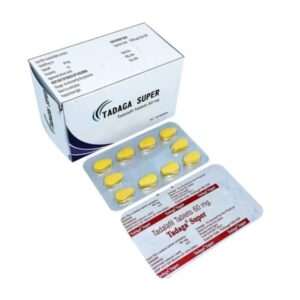
Tadaga Super 60mg
$2.00 / Per Pill
-
Testosterone Enanthate
$240.00 / Per 10ml

-
Gabapentin 600 mg
$1.50 / Per Pill