
Prioritize Quality Sleep
Sleep is often underestimated, but it is one of the most powerful natural boosters of testosterone. Research shows that men who consistently get less than six hours of sleep per night often have significantly lower testosterone levels compared to those who sleep seven to nine hours. During deep sleep, the body produces and releases the highest amount of testosterone. Poor or inconsistent sleep disrupts this cycle, reducing hormone production.
To optimize sleep, create a bedtime routine that minimizes blue light exposure, avoids heavy meals or alcohol before bed, and promotes relaxation. A cool, dark, and quiet environment also helps improve sleep quality, ensuring your body has the recovery time it needs to support healthy testosterone production.
🎉 Participate in the Quiz & Win Prizes! 🎉
🏆 1st Prize: $20 Amazon Voucher
🥈 2nd Prize: $10 Amazon Voucher
📅 Winners will be announced on 31st August 2025.
💡 Your valuable time is precious to us. 💡
Don’t miss out—join the quiz and grab your chance to win! 🚀
Maintain a Healthy Weight
Excess body fat, particularly around the abdomen, is linked to lower testosterone levels. Fat tissue converts testosterone into estrogen, which can further reduce available testosterone in the body. Obesity also increases the risk of insulin resistance and inflammation, both of which negatively affect hormone balance.
Adopting a healthy lifestyle that includes regular physical activity and a balanced diet not only helps maintain a healthy weight but also supports optimal testosterone levels. Even a modest reduction in body fat can lead to measurable improvements in hormone balance and overall vitality.
Engage in Regular Exercise
Exercise is one of the most effective ways to naturally enhance testosterone. Resistance training, such as weightlifting, has the most significant impact because it builds muscle, which in turn stimulates testosterone production. High-intensity interval training (HIIT) is another excellent option, as short bursts of intense activity followed by rest can boost hormone levels more effectively than steady-state cardio.
While all types of exercise have health benefits, overtraining or excessive endurance exercise can actually lower testosterone due to chronic stress on the body. For best results, combine strength training with moderate cardio and ensure your body gets adequate recovery time.When testosterone levels drop significantly—a condition often referred to as low testosterone or “low T”—men may experience symptoms like reduced sex drive, difficulty achieving or maintaining erections, weight gain (especially around the abdomen), decreased muscle mass, and even depression. Over time, untreated low testosterone can increase the risk of metabolic syndrome, type 2 diabetes, and cardiovascular disease.
Manage Stress Levels
Chronic stress is a silent testosterone killer. When the body is under constant stress, it produces high levels of cortisol, a stress hormone that directly suppresses testosterone production. Over time, this imbalance can lead to fatigue, weight gain, and even reduced sexual health.
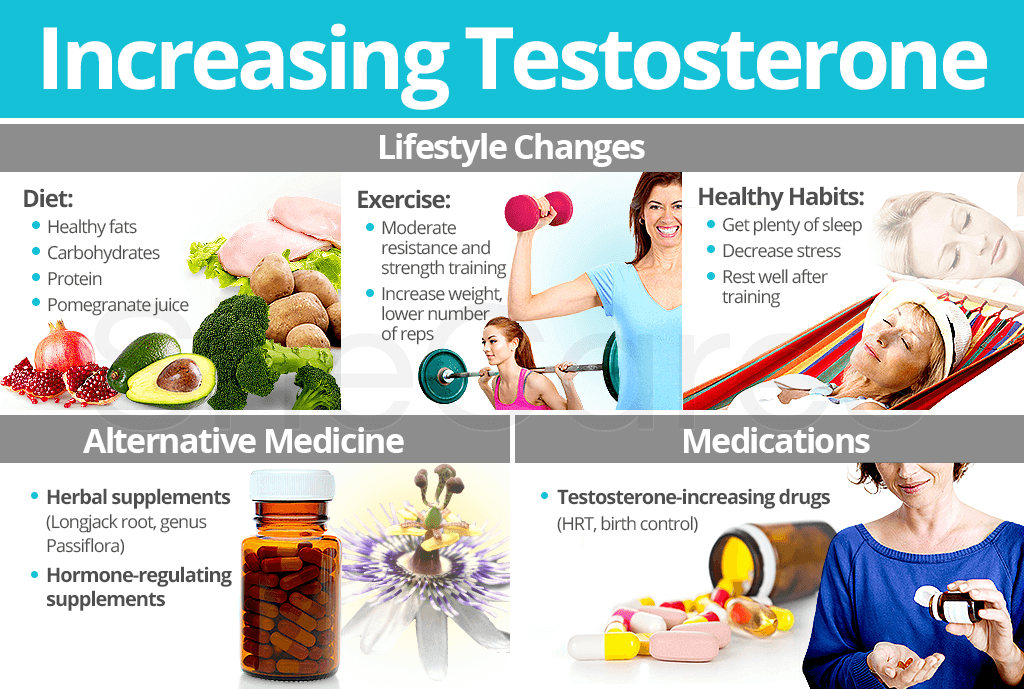
Incorporating stress management techniques such as meditation, yoga, deep breathing exercises, or mindfulness practices can help lower cortisol and create a hormonal environment more favorable to testosterone. Even simple lifestyle adjustments—like spending time in nature, pursuing hobbies, or limiting unnecessary commitments—can make a significant difference.
Optimize Nutrition
Diet plays a central role in hormone health. Nutrient deficiencies, especially in vitamin D, zinc, and magnesium, are strongly linked to low testosterone. Ensuring your diet includes lean protein, healthy fats, and a variety of fruits and vegetables provides the essential building blocks for hormone production.
Healthy fats, particularly those from sources like olive oil, avocados, nuts, and fatty fish, are crucial for testosterone synthesis. On the other hand, highly processed foods, excessive sugar, and alcohol can suppress testosterone. A diet rich in whole, nutrient-dense foods creates the foundation for balanced hormones and long-term health.