Everyday Chemist

Lower Risk of Respiratory Depression Compared to Traditional Opioids

Introduction to Lower Risk of Respiratory Depression Compared to Traditional Opioids Traditional opioids such as morphine, oxycodone, and fentanyl have long been the cornerstone of moderate to severe pain management. However, their effectiveness is overshadowed by a significant safety concern: respiratory depression, a potentially life-threatening side effect that occurs when these drugs suppress the brain’s drive to breathe. This risk has fueled the ongoing opioid crisis, as respiratory depression remains a leading cause of overdose-related fatalities.

Table of Contents

The Problem of Respiratory Depression with Traditional Opioids

Traditional opioids act as full agonists at the μ-opioid receptor, producing strong analgesia but also activating signaling pathways that suppress breathing. This effect is dose-dependent and particularly dangerous when opioids are combined with other central nervous system depressants such as alcohol or benzodiazepines. As a result, respiratory depression has been the leading cause of opioid overdose deaths worldwide, making it a central focus of both clinical and public health concern.

Biased Agonists: A New Direction in Opioid Pharmacology

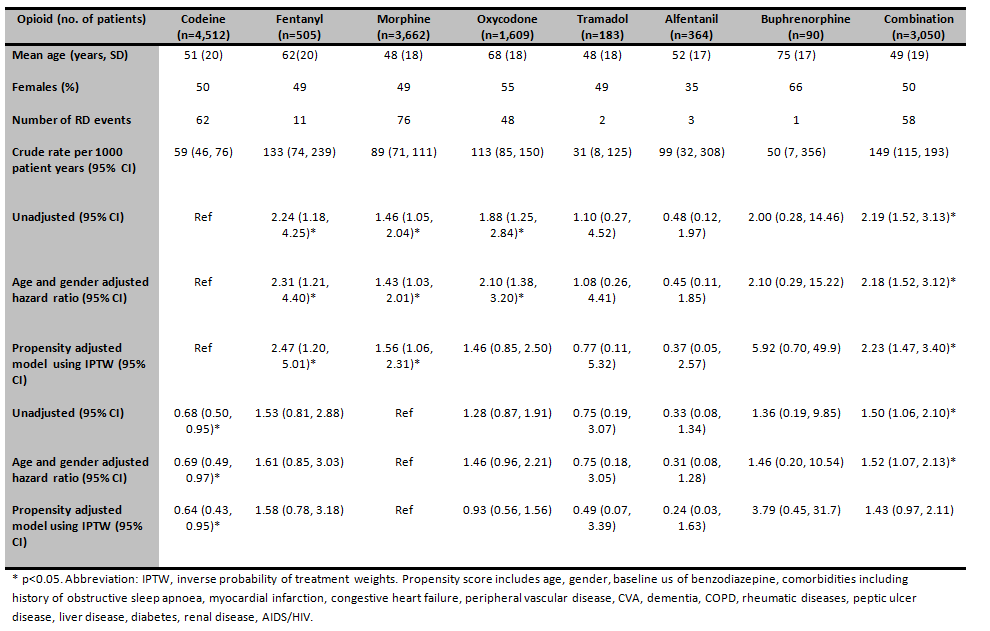
One of the most promising strategies in reducing respiratory depression is the development of biased agonists. These drugs, such as oliceridine, selectively activate G-protein signaling at the μ-opioid receptor, which is linked to analgesia, while minimizing β-arrestin pathway activation, which is associated with respiratory suppression. Clinical trials have shown that oliceridine provides effective pain relief with a reduced incidence of respiratory side effects compared to morphine, although vigilance is still necessary.

Partial Agonists and the Ceiling Effect on Respiratory Depression

Partial agonists such as buprenorphine offer another solution. They stimulate the μ-opioid receptor but only to a limited extent, producing adequate analgesia while displaying a “ceiling effect” on respiratory depression. This means that beyond a certain dose, the risk of further respiratory suppression does not increase, making buprenorphine a safer option in both chronic pain management and opioid dependence treatment.

Mixed Receptor Modulators and Balanced Safety

Drugs that act on multiple opioid receptors, such as kappa or delta receptors in addition to μ-receptors, may provide analgesia with a lower risk of respiratory depression. By balancing receptor activity, these mixed modulators aim to preserve efficacy while reducing harmful side effects, offering a more nuanced approach to pain control.

Clinical Benefits in High-Risk Populations

The lower risk of respiratory depression is particularly valuable in high-risk groups such as the elderly, patients with chronic respiratory conditions, and individuals undergoing surgery who are exposed to anesthesia and other sedatives. For these patients, safer opioid alternatives allow for effective pain control without significantly increasing the risk of respiratory compromise.

Implications for Palliative and Perioperative Care

In palliative care, where patients may already have impaired respiratory function, and in perioperative settings where sedation is common, the use of opioids with reduced respiratory risks is transformative. These agents enable clinicians to achieve pain relief while minimizing complications, improving both patient comfort and safety outcomes.

Our Products

Helpful Links

Send Us a Message

Full Name
Scroll to Top