overview
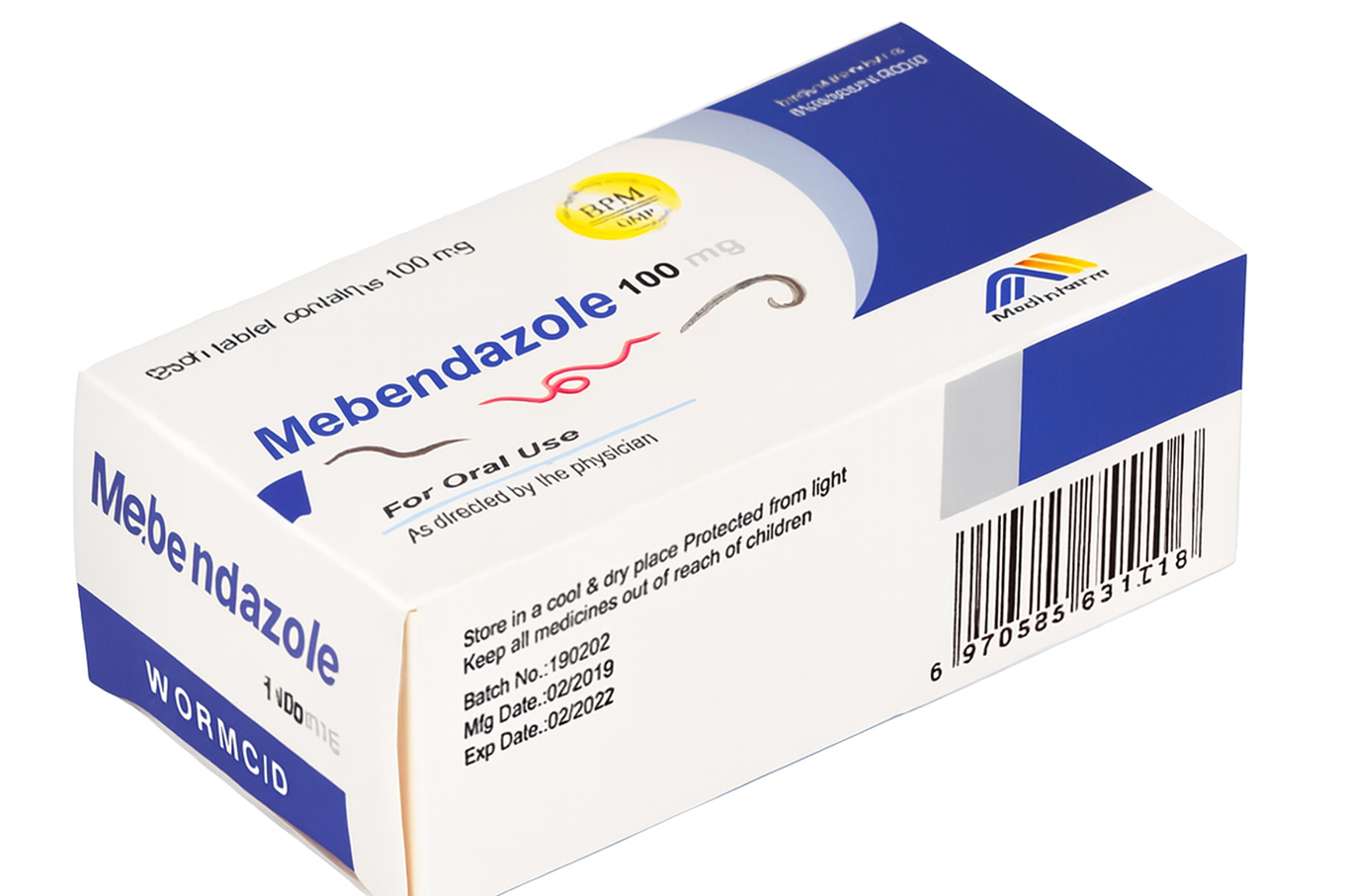
Mebendazole 100 mg is a commonly prescribed anthelmintic medication, which means it is used to treat parasitic worm infections in humans. It works by preventing the worms from absorbing glucose, which is essential for their survival. Without energy, the worms gradually die and are removed naturally from the digestive system. Because of its effectiveness, safety profile, and ease of use, mebendazole has become one of the most widely used drugs for deworming across the world.
How Mebendazole Works
Mebendazole targets the worms’ ability to process glucose, causing their energy stores to deplete. Unlike some medications that kill parasites instantly, mebendazole slowly starves the worms, making it gentler on the stomach. This mechanism is effective against several common intestinal worms, including roundworms, pinworms, whipworms, and hookworms. These infections are usually spread through contaminated food, water, soil, or poor hygiene practices, especially in children and people living in crowded environments.
Common Uses
A 100 mg dose of mebendazole is typically used to treat:
Pinworm infection (Enterobiasis)
Roundworm infection (Ascariasis)
Whipworm infection (Trichuriasis)
Hookworm infection (Ancylostomiasis & Necatoriasis)
Mixed worm infections, where more than one type of worm is present
In many countries, mebendazole is also used in mass deworming programs because it is safe, affordable, and effective for all age groups above two years.
Dosage and Administration
The dosage varies depending on the type of worm infection, but a common dose for adults and children above two years is:
100 mg once, especially for pinworm infections
100 mg twice daily for 3 days for certain other worm infections
The tablet can be chewed, swallowed whole, or crushed, making it easy to administer to children. It can be taken with or without food, but taking it with a small meal may help reduce stomach discomfort.
It is important to take the full prescribed dose even if symptoms improve early. In some cases, a second dose may be required after two weeks to prevent reinfection, especially for pinworms.
Symptoms Treated
After taking mebendazole, patients often experience relief from symptoms such as:
Abdominal discomfort
Itching around the anus (common in pinworm infections)
Loss of appetite
Nausea
Fatigue
Unexplained weight loss
Improvement usually begins within a few days after the medication starts working.
Side Effects
Mebendazole is generally well-tolerated, but mild side effects can occur, such as:
Stomach pain
Nausea
Diarrhea
Headache
These reactions are usually temporary and often related to the dying worms rather than the medicine itself. Serious side effects are extremely rare but can include allergic reactions or liver issues, particularly when used for long periods or in very high doses.
Precautions
Mebendazole should not be used during pregnancy unless recommended by a doctor.
Breastfeeding mothers should consult a healthcare provider before using it.
People with liver disease should take it carefully and only under supervision.
Avoid giving it to children under two years unless specifically advised.
Because worm infections spread easily, it is important for all family members to maintain hygiene and sometimes undergo treatment together to prevent recurrence.
Prevention Tips
To avoid reinfection:
Wash hands before eating and after using the toilet
Keep nails short and clean
Wash bedding and clothes regularly
Avoid walking barefoot on soil
Drink clean, safe water