
Introduction
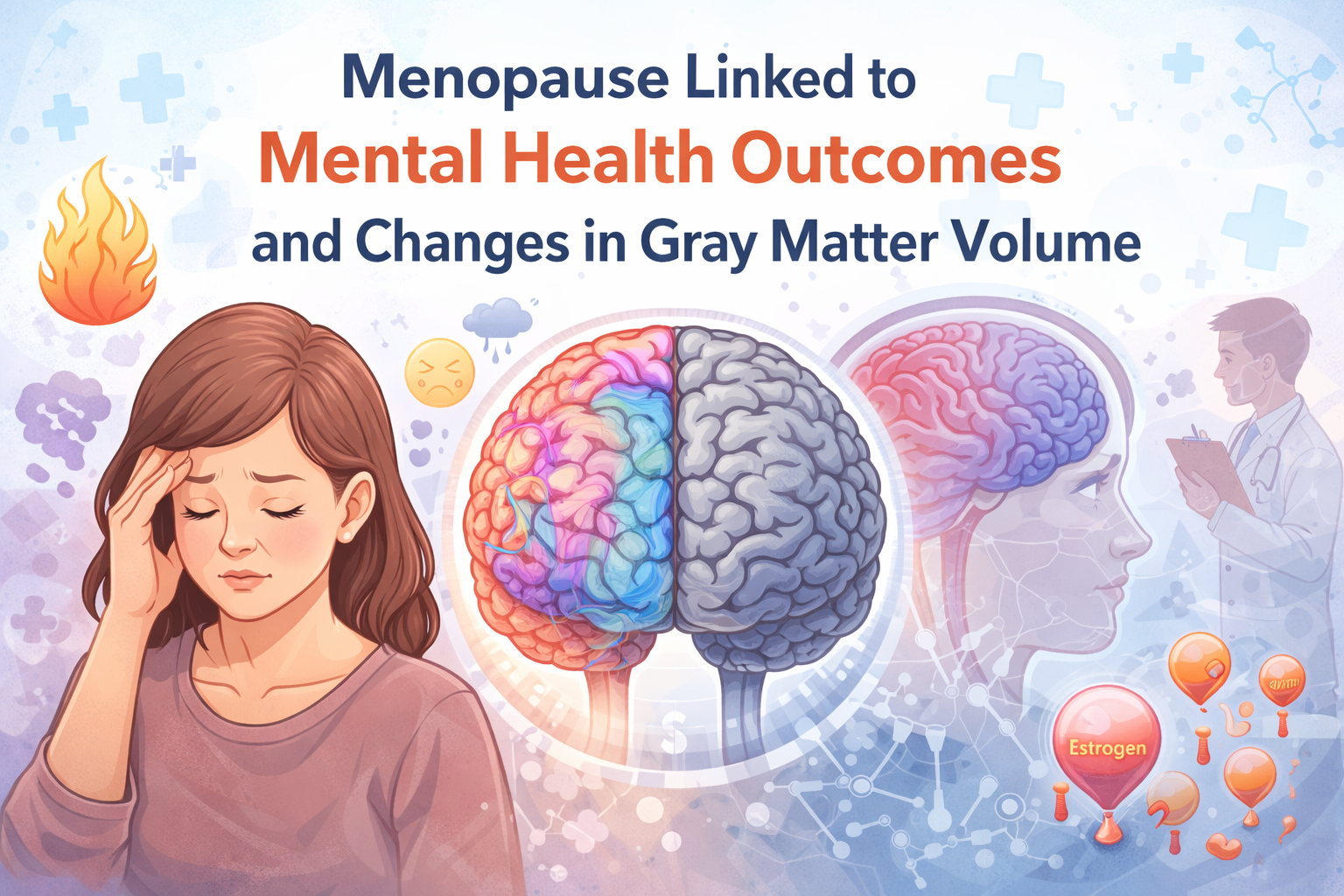
Menopause is a natural biological transition marking the end of a woman’s reproductive years, typically occurring between ages 45 and 55. While it is commonly associated with physical symptoms such as hot flashes and sleep disturbances, growing research highlights its significant impact on mental health and brain structure. Emerging evidence suggests that menopause is linked to changes in mood, cognition, and measurable alterations in gray matter volume, emphasizing the importance of understanding brain–hormone interactions during this life stage.
Understanding Menopause and Hormonal Changes
Menopause is characterized by a gradual decline in estrogen and progesterone levels. Estrogen, in particular, plays a crucial role in brain function, influencing neurotransmitters such as serotonin and dopamine that regulate mood, memory, and emotional balance. As estrogen levels fluctuate and eventually decline, the brain undergoes adaptive changes that can affect mental and cognitive well-being.
Mental Health Outcomes During Menopause
Many women experience psychological symptoms during perimenopause and menopause. These may include anxiety, depression, mood swings, irritability, and increased stress sensitivity. Some women also report difficulty concentrating, forgetfulness, and mental fatigue—often described as “brain fog.” While not all women experience severe symptoms, those with a history of depression or anxiety may be at higher risk for worsened mental health outcomes during this transition.
Cognitive Changes and Brain Function
Cognitive complaints are common during menopause, particularly in areas such as verbal memory, attention, and executive functioning. Research suggests these changes are often temporary and related to hormonal fluctuations rather than permanent cognitive decline. However, the menopausal transition represents a sensitive window during which the brain reorganizes itself in response to changing hormone levels.
Gray Matter Volume and the Menopausal Brain
Gray matter is responsible for processing information in the brain and is essential for memory, emotion, and decision-making. Neuroimaging studies have shown that menopause may be associated with changes in gray matter volume, particularly in regions such as the hippocampus, prefrontal cortex, and amygdala. These areas are critical for emotional regulation and cognitive performance. While some gray matter reductions have been observed, researchers believe these changes may reflect neural remodeling rather than pathological loss.
The Role of Estrogen in Brain Structure
Estrogen has neuroprotective properties and supports synaptic plasticity, blood flow, and glucose metabolism in the brain. As estrogen levels decline during menopause, the brain must adapt to reduced hormonal support. This adaptation may explain both the temporary decline in cognitive efficiency and the structural changes seen in gray matter volume. Importantly, some studies suggest that the brain can recover or stabilize after the menopausal transition.
Individual Differences and Risk Factors
Not all women experience the same mental or neurological effects during menopause. Genetics, lifestyle, stress levels, sleep quality, and overall health play significant roles. Women with chronic stress, poor sleep, or existing mental health conditions may be more vulnerable to mood disturbances and cognitive symptoms. Conversely, physical activity, social engagement, and mental stimulation appear to support brain resilience.