Mounjaro for Weight Loss: How It Compares to Other GLP-1 Drugs
How GLP-1 Drugs Work
GLP-1 receptor agonists, such as Ozempic and Wegovy, mimic the natural hormone glucagon-like peptide-1 (GLP-1). This hormone helps regulate blood sugar by:
Increasing insulin secretion when blood sugar is high.
Slowing gastric emptying, which keeps you feeling full longer.
Reducing appetite by acting on appetite centers in the brain.
The combination of these effects not only improves blood sugar control in people with diabetes but also leads to significant weight loss.
What Makes Mounjaro Different?
Mounjaro is often described as a “dual agonist” because it targets both the GLP-1 receptor and the GIP (glucose-dependent insulinotropic polypeptide) receptor. GIP is another gut hormone involved in insulin release and fat metabolism.
This dual mechanism is thought to enhance weight loss beyond what standard GLP-1 drugs achieve. By activating both pathways, tirzepatide may more effectively reduce appetite, improve insulin sensitivity, and encourage fat loss.
Clinical Trial Results
The difference between Mounjaro and other GLP-1 medications becomes clear when looking at clinical trial outcomes:
Mounjaro (Tirzepatide): In the SURMOUNT-1 trial, patients without diabetes who took tirzepatide lost up to 20–22.5% of their body weight over 72 weeks.
Ozempic (Semaglutide 1 mg): In trials for diabetes, patients lost an average of 5–7% of body weight.
Wegovy (Semaglutide 2.4 mg): Specifically approved for weight loss, Wegovy users achieved around 15% body weight reduction in clinical studies.
These results suggest that Mounjaro may offer the most significant weight reduction among currently available injectable treatments.

Side Effects and Safety
Like all medications in this class, Mounjaro comes with potential side effects, many of which overlap with GLP-1 drugs:
Nausea
Vomiting
Diarrhea or constipation
Decreased appetite
Most side effects are gastrointestinal and tend to improve as the body adjusts. However, there are important warnings: these medications are not recommended for individuals with a personal or family history of medullary thyroid carcinoma or multiple endocrine neoplasia syndrome type 2.
Comparatively, both Mounjaro and Ozempic share similar risk profiles, but some early reports suggest tirzepatide may cause slightly more gastrointestinal upset due to its stronger action.
Cost and Accessibility
Currently, both Mounjaro and Ozempic are expensive, with monthly costs often exceeding several hundred dollars without insurance. Insurance coverage can be inconsistent:
For diabetes, both drugs are often covered.
For weight loss alone, coverage is much less reliable, especially in the U.S.
Because Mounjaro is still relatively new, availability may be more limited compared to Ozempic or Wegovy, which have already seen widespread adoption.
Which Is Right for You?
Choosing between Mounjaro and other GLP-1 drugs depends on individual health goals:
For weight loss only: Mounjaro may offer superior results but might be harder to access. Wegovy is an alternative specifically approved for obesity treatment.
For type 2 diabetes with weight concerns: Both Mounjaro and Ozempic are highly effective, but Mounjaro may provide greater overall weight loss and better glucose control.
Ultimately, the decision should be made in consultation with a healthcare professional, considering personal medical history, side effect tolerance, and insurance coverage.
Our Products
-
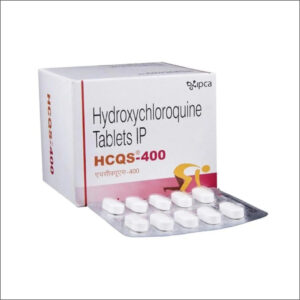
Hydroxychloroquine 400MG
$1.50 / Per Pill
-
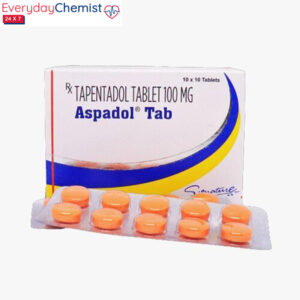
Tapentadol 100 mg
$2.00 / Per Pill
-
Modafinil 200mg
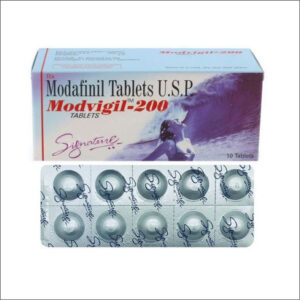
$2.00 / Per Pill