
Introduction
Neurogenic bladder is a complex condition in children caused by impaired nerve control of the bladder, often associated with congenital or acquired neurological disorders. Early and accurate diagnosis is essential to prevent long-term complications such as urinary tract infections, kidney damage, and impaired bladder function. Recent advances show that multimodal ultrasound is a feasible, noninvasive, and effective tool for identifying pediatric neurogenic bladder, offering significant advantages over traditional diagnostic methods.
Understanding Pediatric Neurogenic Bladder
Neurogenic bladder occurs when the nerves that control bladder storage and emptying do not function properly. In children, it is commonly linked to conditions such as spina bifida, cerebral palsy, spinal cord injuries, or brain malformations. Symptoms may include urinary incontinence, frequent infections, difficulty voiding, urinary retention, or reflux of urine into the kidneys. Because symptoms can vary widely, accurate diagnosis is often challenging.
Limitations of Conventional Diagnostic Methods
Traditional diagnostic approaches for neurogenic bladder include urodynamic studies, voiding cystourethrograms, and MRI scans. While effective, these methods can be invasive, uncomfortable, time-consuming, and stressful for children. Urodynamic testing, in particular, involves catheter insertion and bladder filling, which may cause anxiety and discomfort. Additionally, repeated exposure to radiation in some imaging techniques raises concerns for pediatric patients.

What Is Multimodal Ultrasound?
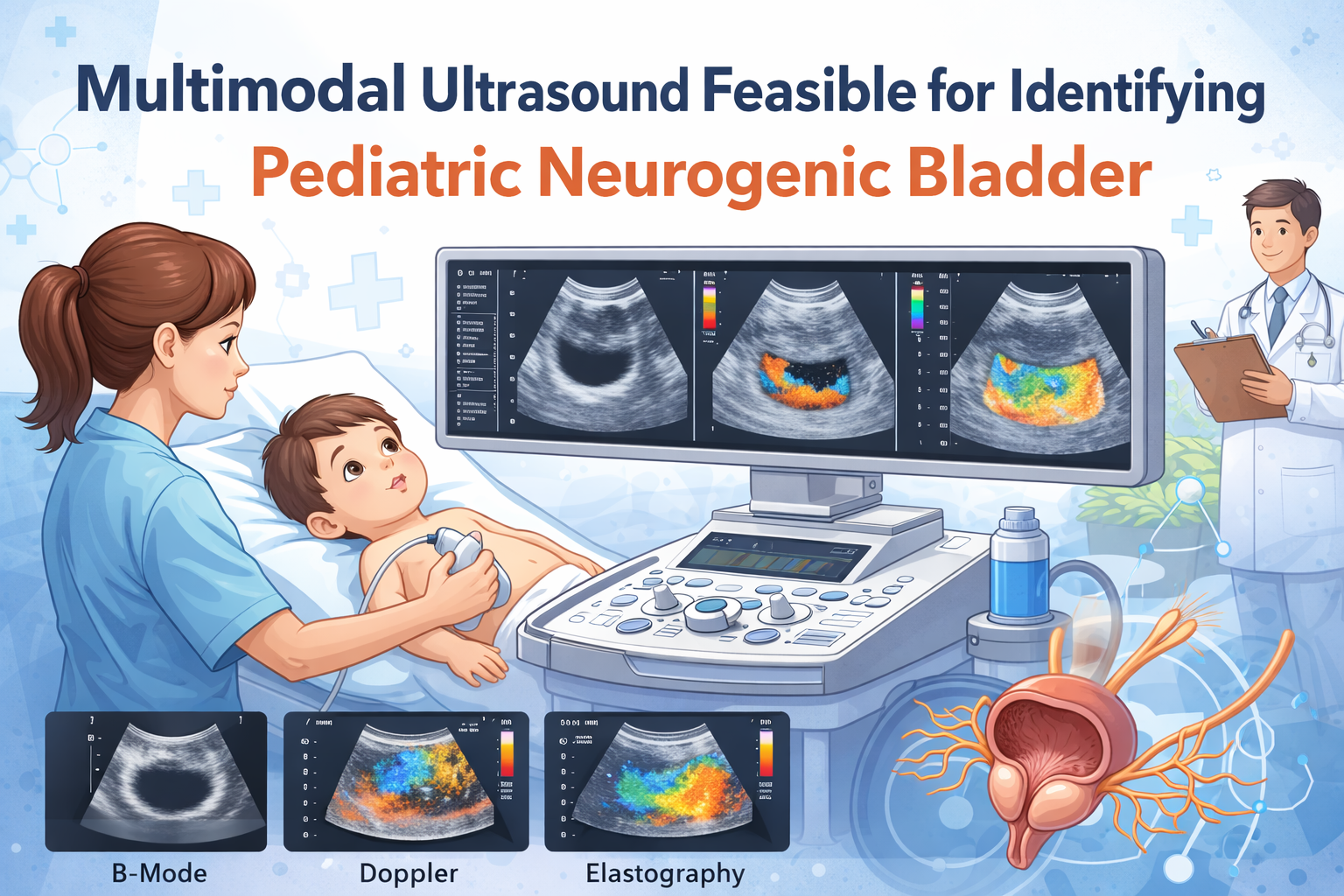
Multimodal ultrasound combines multiple ultrasound techniques—such as conventional B-mode imaging, Doppler ultrasound, elastography, and contrast-enhanced ultrasound—to provide a comprehensive assessment of bladder structure and function. Instead of relying on a single imaging parameter, this approach evaluates bladder wall thickness, elasticity, blood flow, residual urine volume, and upper urinary tract changes in real time.
Advantages of Multimodal Ultrasound in Children
One of the greatest benefits of multimodal ultrasound is that it is noninvasive and radiation-free, making it especially suitable for pediatric patients. It can be performed repeatedly without risk, allowing for ongoing monitoring of bladder function over time. The procedure is child-friendly, painless, and usually does not require sedation. These factors improve patient cooperation and reduce stress for both children and caregivers.
Diagnostic Value and Clinical Findings
Studies have shown that multimodal ultrasound can reliably identify features associated with neurogenic bladder, such as increased bladder wall thickness, reduced bladder compliance, abnormal detrusor muscle activity, and residual urine after voiding. Doppler imaging can assess changes in blood flow, while elastography helps evaluate bladder stiffness—an important indicator of disease severity. When combined, these findings provide valuable diagnostic insights comparable to more invasive tests.
Conclusion
Multimodal ultrasound represents a promising and feasible approach for identifying pediatric neurogenic bladder. By combining multiple imaging techniques into a single, noninvasive examination, it enhances diagnostic accuracy while prioritizing child comfort and safety. As research continues and clinical protocols evolve, multimodal ultrasound is likely to play a central role in the early diagnosis, monitoring, and management of neurogenic bladder in children—improving outcomes and quality of life for young patients.
Our Products
-
Gabapentin 400mg
$1.00 / Per Pill

-
Soma 500mg
$1.50 / Per Pill

-
Testosterone Cypionate
$200.00 / Per 10ml