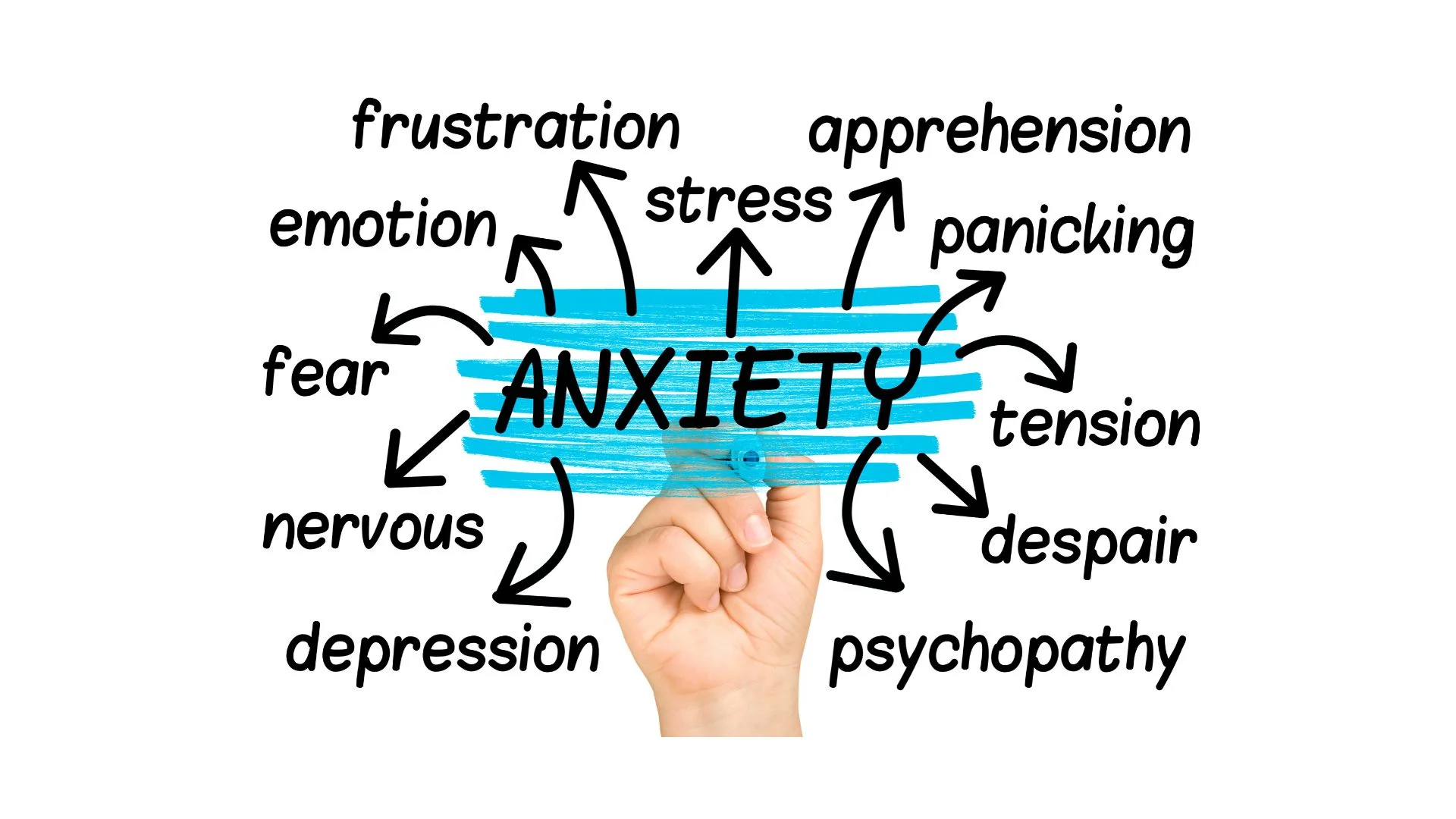
Overcome Anxiety and Depression - Acknowledging the Struggle - Overcoming anxiety and depression begins with accepting that you're struggling—and that it's okay to ask for help. These conditions are not personal failures or signs of weakness; they are real, treatable mental health issues that affect millions of people. Recognizing the problem is the first and most courageous step toward healing.
Table of Contents
Seeking Professional Help
Mental health professionals play a critical role in recovery. Therapies like Cognitive Behavioral Therapy (CBT) can help individuals challenge negative thought patterns and build healthier coping mechanisms. In some cases, medication—such as antidepressants or anti-anxiety medications—may be recommended to stabilize mood and make therapy more effective. A combination of both often leads to the best results.
Healing isn’t only about therapy sessions—it involves daily habits and choices. Regular exercise is one of the most powerful tools for improving mood and reducing anxiety. Even a 20-minute walk can release endorphins and calm the mind. Sleep is another essential component. Developing a consistent sleep schedule can reduce emotional volatility and increase energy.
Nutrition also plays a role. A balanced diet supports brain health and emotional stability. Avoiding substances like caffeine and alcohol, which can trigger anxiety or deepen depression, is also helpful.
Mindfulness practices—such as meditation, breathing exercises, and yoga—can help calm an overactive mind. These techniques teach individuals to stay grounded in the present moment, rather than becoming overwhelmed by fears of the future or regrets about the past. Over time, mindfulness builds emotional strength and helps people respond to stress more calmly.
Building a Support System
Isolation can deepen the impact of depression and anxiety. Reaching out to friends, family, or support groups can provide emotional relief and connection. Knowing that others care—and that others have gone through similar experiences—can reduce shame and encourage hope.
Sometimes, simply talking to someone can ease the burden. Connection doesn’t always mean solving the problem—it can just mean being heard.
People struggling with anxiety and depression often fall into patterns of negative self-talk—believing they are worthless, broken, or beyond help. Through therapy or journaling, these thoughts can be identified and reframed into more realistic and compassionate ones. For example, “I’m a failure” can become “I’m struggling right now, but I’m doing my best.”
This process takes time, but every shift in mindset is a step toward recovery.
Setting Small, Achievable Goals
Large tasks can feel overwhelming during periods of mental distress. Breaking tasks into smaller steps can help rebuild confidence and create a sense of progress. Even seemingly minor achievements—like getting dressed, cleaning one room, or going outside—are victories. Each one counters the paralysis that anxiety and depression can cause.