Lack of Awareness and Education
One of the primary obstacles to effective HIV prevention is insufficient awareness and education. In many communities, people still do not fully understand how HIV is transmitted or how it can be prevented. Misconceptions—such as the belief that HIV can spread through casual contact—continue to fuel fear and misinformation. Cultural discomfort around discussing sex and sexual health further limits open conversations, especially among young people. Comprehensive, age-appropriate, and culturally sensitive education programs are essential to promote accurate knowledge about HIV, safe sexual practices, condom use, and the importance of regular testing.
Stigma and Discrimination
Stigma surrounding HIV remains a powerful barrier to prevention. Individuals living with HIV or those at higher risk often face judgment, exclusion, and discrimination from their families, communities, and even healthcare providers. This fear of being stigmatized discourages people from seeking testing, prevention tools, or treatment. Tackling stigma requires strong public awareness campaigns, inclusive language, and legal protections that promote dignity and human rights. Normalizing HIV testing and open discussion can help create supportive environments where prevention services are widely accepted.
Limited Access to Healthcare Services
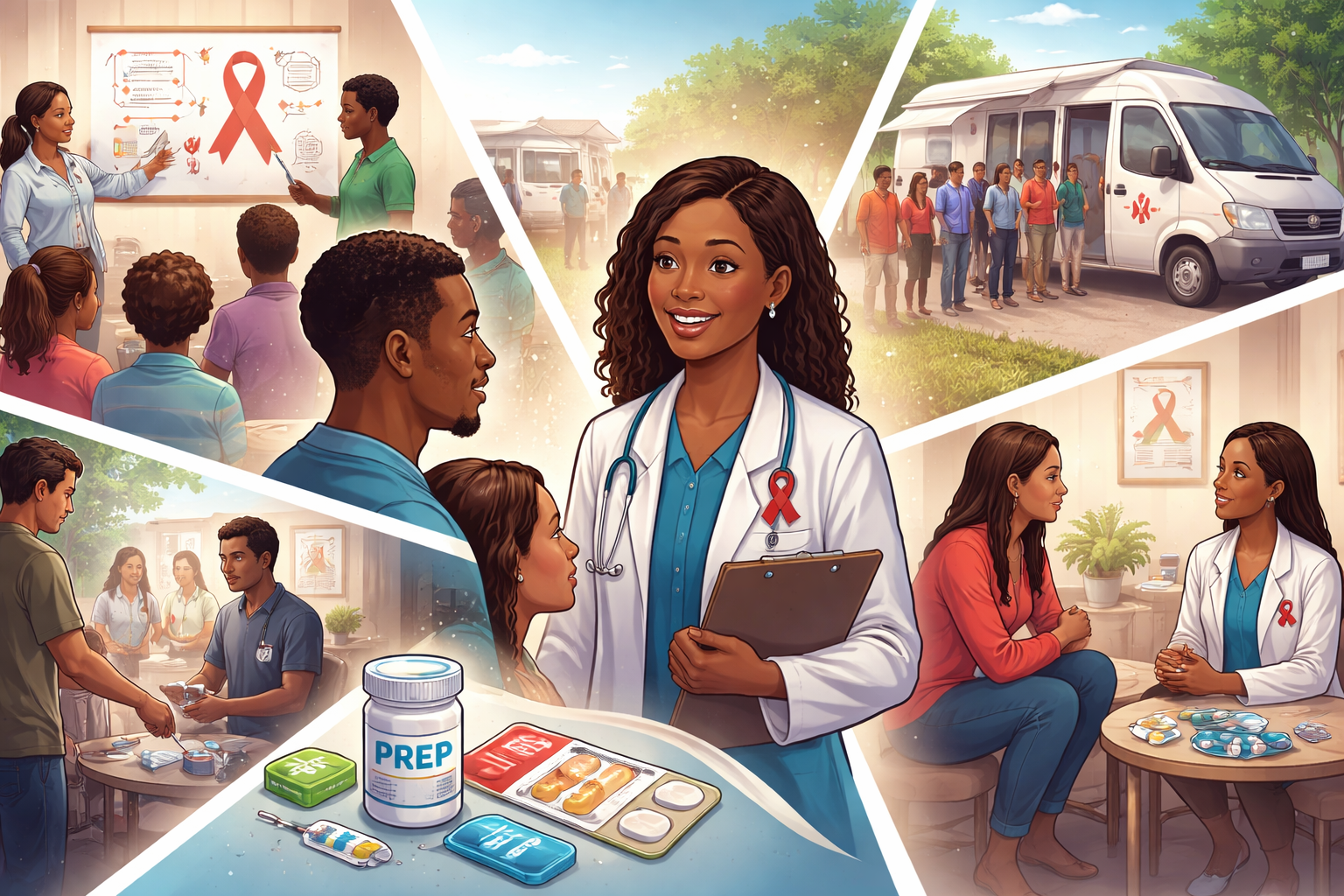
Access to healthcare is uneven across regions, particularly in rural and underserved areas. Many people lack nearby clinics, trained healthcare workers, or essential supplies such as condoms, testing kits, and PrEP. Financial barriers, including the cost of travel and services, further restrict access. Strengthening healthcare infrastructure, expanding mobile health units, and integrating HIV prevention into primary healthcare services can significantly improve reach and effectiveness.
Gender Inequality and Power Imbalances
Gender inequality is a major factor contributing to HIV vulnerability, especially among women and girls. In many societies, women have limited power to negotiate safe sex or insist on condom use. Gender-based violence and economic dependence increase the risk of HIV infection while reducing access to prevention services. Empowering women through education, economic independence, legal rights, and access to reproductive health services is critical to overcoming this obstacle.
High-Risk Behaviors and Social Factors
Certain behaviors, such as unprotected sex, multiple partners, and sharing needles, increase the risk of HIV transmission. These behaviors are often linked to substance use, mental health challenges, or social marginalization. Criminalization of drug use and sex work pushes vulnerable populations away from healthcare services. Harm reduction approaches—like needle exchange programs, substance abuse treatment, and non-judgmental counseling—are proven strategies that help reduce risk and support prevention.
Policy, Funding, and Structural Challenges
Effective HIV prevention requires strong policies and sustained funding. Inconsistent political commitment and reduced financial support can weaken prevention programs and limit research and outreach efforts. Evidence-based policies, community involvement, and long-term investment are essential to maintain progress. Collaboration between governments, NGOs, and international organizations helps ensure that prevention strategies are inclusive and sustainable.
Conclusion
Overcoming obstacles to HIV prevention demands a topic-focused, holistic approach that addresses education, stigma, healthcare access, gender equality, behavior, and policy support. By confronting these challenges collectively, societies can strengthen prevention efforts and move closer to ending new HIV infections.
Our Products
-
HCG 10000 IU
$12.00 / Per Vial
-
Mebendazole 100 mg
$2.00 / Per Pill
-
Doxycycline 100MG
$2.00 / Per Pill