Key Points:
Eating Disorders Are Complex and Widespread
Includes anorexia nervosa, bulimia nervosa, binge eating disorder, and OSFED.
Affect people across age, gender, and cultural backgrounds.
Associated with high mortality and often co-occur with depression, anxiety, and trauma.
Access to Traditional Treatment Is Limited
Many people face barriers like cost, lack of specialists, or insurance issues.
Stigma around eating disorders can prevent individuals from seeking help.
Some don’t respond well to standard treatments (therapy, antidepressants, etc.).
People Turn to Non-Rx Substances to Cope
Over-the-counter (OTC) drugs, herbal remedies, supplements, and recreational drugs are commonly used.
Often used to manage appetite, anxiety, mood, or compulsive behaviors.
Common Substances Reported:
Caffeine
Used to suppress appetite or boost energy during fasting or dieting.
Nicotine
Some individuals smoke or vape to reduce hunger and calm nerves.
CBD and Cannabis Derivatives
Used for anxiety relief, mood regulation, and emotional detachment from body image stress.
Laxatives and Diuretics
Frequently used (and misused) by those focused on rapid weight loss or body control.
Herbal Teas and Detox Products
Marketed as natural, but often used excessively for purging or appetite suppression.
Kratom and Nootropics
Some claim these substances help with mood, focus, and cravings.
Microdosed Psychedelics (e.g., psilocybin)
A small number of users report reduced obsessive thoughts or improved emotional clarity.
Why People Self-Medicate:
Perceived Lack of Support
People feel abandoned or misunderstood by the healthcare system.
Desire for Control
Eating disorders are often about regaining a sense of control; self-medicating aligns with this need.
Cost and Accessibility
Non-Rx options are cheaper and easier to obtain than therapy or prescriptions.
Online Influence
Forums like Reddit and TikTok spread anecdotal tips and personal “success” stories.
Shared experiences can validate unhealthy or risky behavior.
Potential Benefits (Reported Anecdotally):
Relief from binge urges or obsessive food thoughts.
Reduced anxiety and improved mood.
Greater sense of autonomy over treatment.
Avoidance of harsh side effects linked to psychiatric medications.
Major Risks and Warnings:
Health Risks
Overuse of laxatives and diuretics can lead to dehydration, organ damage, or electrolyte imbalances.
Addiction and Dependence
Substances like nicotine, kratom, or cannabis can lead to psychological or physical dependence.
Lack of Regulation
Many supplements and herbal drugs aren’t FDA-approved or quality-tested.
Delayed Proper Treatment
Self-medicating may mask symptoms, making it harder to diagnose and treat the underlying disorder.
Unpredictable Effects
Especially risky when substances are mixed or taken with prescribed medications.
What This Trend Suggests:
Unmet Needs in Eating Disorder Treatment
Patients are experimenting because they’re not getting adequate help.
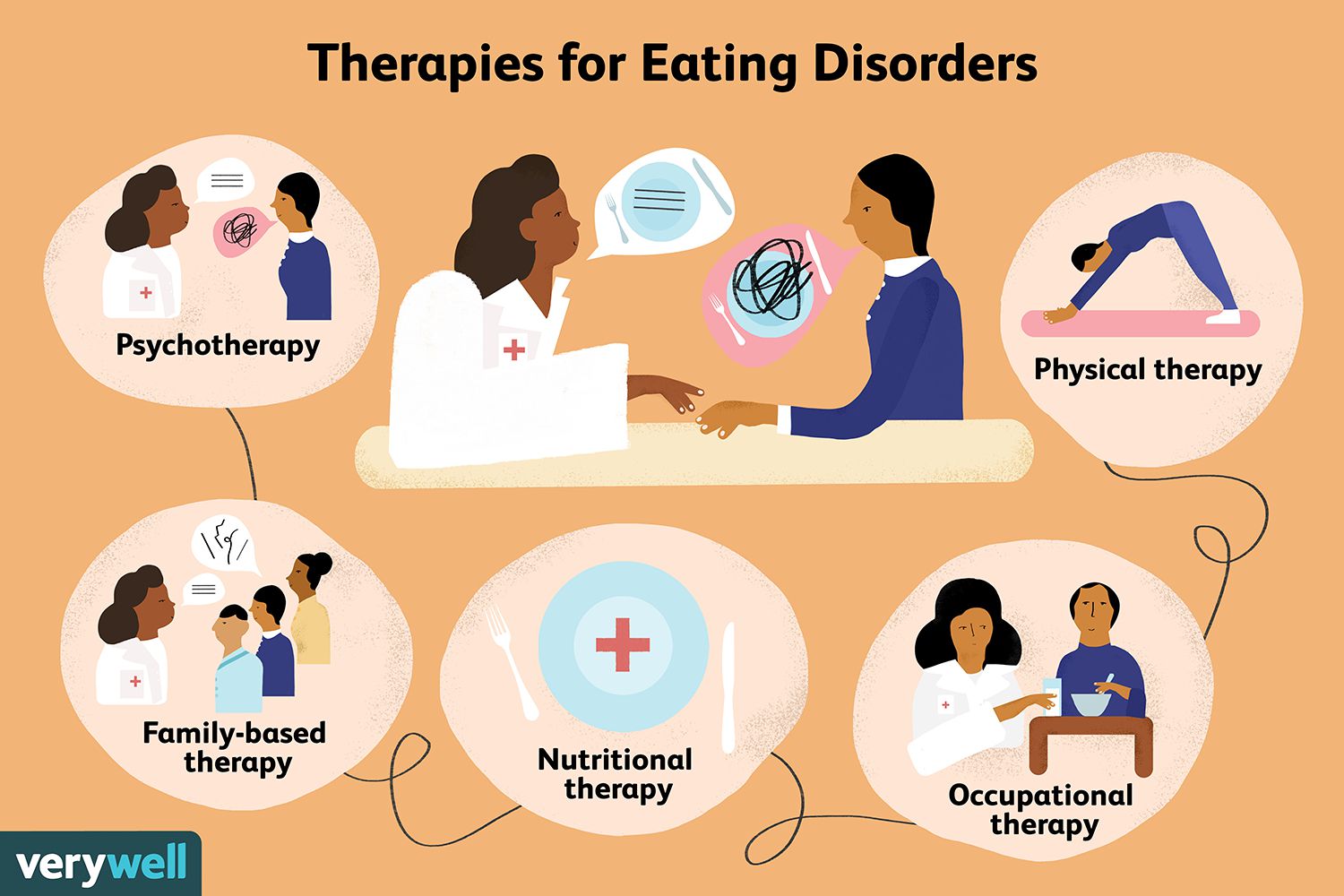
Importance of Harm Reduction
Instead of just discouraging self-medication, professionals could offer safer guidance.
Need for Innovation
Research into alternative therapies (e.g., psychedelics, cannabinoids) may offer new treatment paths.
Listening to Lived Experience
People with eating disorders should have a voice in shaping future mental health strategies.
Our Products
-
Amoxicillin Capsules 500MG
$1.25 / Per Pill

-
Soma 350mg
$1.00 / Per Pill

-
Viagra 100mg
$1.00 / Per Pill