Complementary, Alternative, and OTC Drugs: Pivotal in the Treatment of Acute Pain
Acute pain is a common health concern that arises from injuries, surgeries, or medical conditions such as migraines, muscle strains, or arthritis flare-ups. While prescription medications, including opioids and NSAIDs, play a significant role in pain management, complementary, alternative, and over-the-counter (OTC) drugs are increasingly being recognized as pivotal in treating acute pain. These approaches not only provide effective pain relief but also minimize the risks associated with prescription medications, such as dependency and adverse side effects.
Complementary and Alternative Medicine (CAM) in Acute Pain Management
Complementary and alternative medicine (CAM) encompasses a variety of non-conventional treatment approaches that can either be used alongside standard medical treatments (complementary) or in place of them (alternative). These include herbal remedies, acupuncture, chiropractic care, and mind-body therapies.
Herbal and Natural Remedies
Many natural supplements have analgesic and anti-inflammatory properties that help alleviate acute pain. For example:- Turmeric (Curcumin): Known for its strong anti-inflammatory effects, turmeric helps in reducing pain associated with arthritis and muscle injuries.
- Ginger: This root contains compounds that inhibit pain pathways, making it effective for muscle soreness and joint pain.
- Willow Bark: Often considered nature’s aspirin, it contains salicin, which has pain-relieving effects similar to synthetic NSAIDs.
Acupuncture and Chiropractic Care
Acupuncture, an ancient Chinese practice, involves inserting fine needles into specific body points to stimulate natural pain relief mechanisms. It is particularly effective for headaches, muscle pain, and post-surgical pain. Chiropractic care, which focuses on spinal alignment, helps reduce acute back and neck pain by alleviating pressure on nerves and muscles.Mind-Body Therapies
Stress and emotional health play a significant role in pain perception. Techniques such as meditation, yoga, and biofeedback help manage pain by promoting relaxation and reducing stress-induced inflammation. Studies suggest that mindfulness meditation can be as effective as traditional pain medications for certain conditions.
Over-the-Counter (OTC) Drugs for Acute Pain Relief
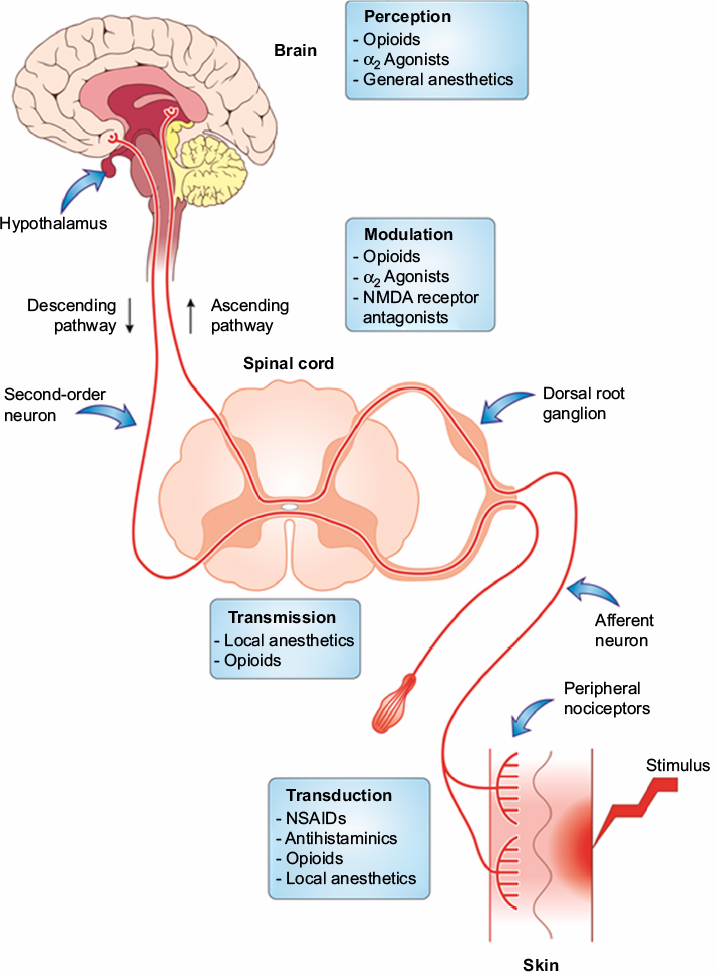
OTC medications are widely used to treat acute pain, providing easy accessibility and affordability without the need for a prescription. The most commonly used OTC drugs include:
Nonsteroidal Anti-Inflammatory Drugs (NSAIDs)
NSAIDs such as ibuprofen (Advil, Motrin) and naproxen (Aleve) work by reducing inflammation and blocking pain signals. They are highly effective for conditions such as muscle strains, headaches, menstrual cramps, and post-injury pain. However, long-term or excessive use can lead to gastrointestinal irritation, ulcers, and kidney damage.Acetaminophen (Paracetamol)
Acetaminophen (Tylenol) is a widely used analgesic that reduces pain and fever but does not have anti-inflammatory properties. It is a preferred choice for individuals who cannot tolerate NSAIDs due to stomach issues. However, excessive consumption can lead to liver toxicity.Topical Analgesics
- Lidocaine Patches and Creams: These work by numbing the affected area and are particularly useful for localized pain.
- Menthol and Capsaicin Creams: Menthol provides a cooling sensation, while capsaicin (derived from chili peppers) works by desensitizing pain receptors. Both are effective for muscle pain and arthritis.
Combination Medications
Some OTC pain relievers combine different ingredients to enhance effectiveness. For instance, acetaminophen combined with caffeine is commonly used for tension headaches, while ibuprofen combined with diphenhydramine helps manage nighttime pain relief.
The Growing Role of CAM and OTC Drugs in Acute Pain Management
The increasing preference for CAM and OTC drugs in pain management is driven by concerns over the opioid crisis and the need for safer, more sustainable pain relief options. While opioids and prescription drugs are highly effective, their potential for addiction and side effects has led both healthcare professionals and patients to seek alternative methods.
Moreover, research continues to support the effectiveness of CAM therapies. For instance, studies have shown that acupuncture can significantly reduce post-operative pain, while turmeric supplements can work as well as NSAIDs in treating osteoarthritis pain. OTC medications, with their accessibility and proven efficacy, remain a first-line treatment for acute pain, ensuring relief without requiring a doctor’s visit.
Conclusion
Complementary, alternative, and OTC drugs play a crucial role in managing acute pain by providing effective, accessible, and often safer alternatives to prescription medications. Herbal remedies, acupuncture, and mind-body therapies offer natural ways to alleviate pain, while OTC pain relievers such as NSAIDs, acetaminophen, and topical analgesics provide immediate relief for common pain conditions. As research and awareness continue to grow, the integration of these approaches into mainstream pain management strategies will enhance patient care while reducing reliance on prescription drugs.