
Scientific Evidence
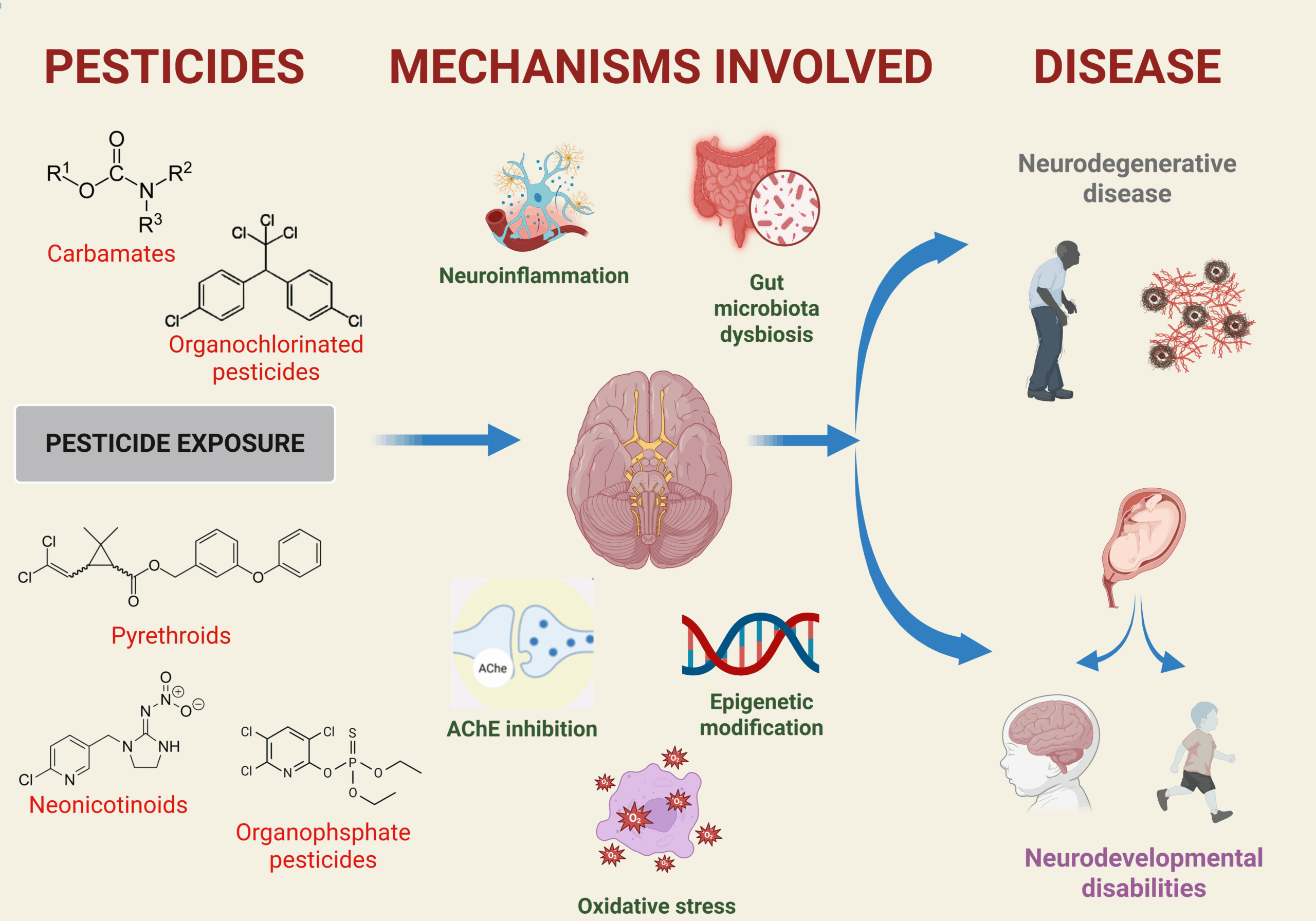
Over the past two decades, research conducted by institutions such as Columbia University has revealed alarming patterns in children exposed to chlorpyrifos in utero. Brain imaging studies show structural changes, including abnormal development in regions of the cerebral cortex responsible for language, attention, impulse control, and social behavior. Children with higher exposure levels often exhibit reduced cortical thickness in areas linked to emotional regulation, suggesting that chlorpyrifos disrupts neuronal signaling pathways. These measurable differences in brain anatomy correlate with developmental delays, reduced IQ, memory issues, and higher risks of ADHD and autism spectrum traits.
🎉 Participate in the Quiz & Win Prizes! 🎉
🏆 1st Prize: $20 Amazon Voucher
🥈 2nd Prize: $10 Amazon Voucher
📅 Winners will be announced on 31st August 2025.
💡 Your valuable time is precious to us. 💡
Don’t miss out—join the quiz and grab your chance to win! 🚀
Biological Mechanisms
The neurological harm stems from chlorpyrifos’s interference with acetylcholine, a neurotransmitter essential for brain development. In addition, it triggers oxidative stress and inflammation in neural tissue, impairing normal growth. The troubling reality is that these effects can occur at exposure levels once considered safe by regulatory agencies. This indicates that even small, repeated exposures during pregnancy may cause long-lasting harm to the developing fetus.
Routes of Exposure
Pregnant women living near farmlands are most vulnerable, as pesticides can drift through the air, contaminate drinking water, or remain on food as residues. Workers in agriculture face the highest risk due to frequent contact with treated crops. However, urban families are not exempt: chlorpyrifos was once used in household pest control before being restricted in the early 2000s. Today, dietary intake through fruits, vegetables, and grains remains a major source, meaning unborn children in both rural and urban communities may be exposed.
Developmental and Behavioral Consequences
Beyond structural changes in the brain, the functional outcomes of prenatal chlorpyrifos exposure are significant. Children exposed during pregnancy are more likely to struggle with attention regulation, memory retention, language development, and impulse control. Many also show signs of delayed motor skills and difficulties in academic performance. These developmental and behavioral consequences persist into later childhood and adolescence, suggesting that chlorpyrifos exposure can alter lifelong learning and social outcomes.

Global Health Impact
The implications extend beyond individual families. Because chlorpyrifos is used worldwide, the burden of exposure often falls disproportionately on developing countries where pesticide regulations are weaker and farmworkers face greater exposure without sufficient protective measures. This creates an environmental justice issue, as vulnerable populations bear the greatest risks while benefiting the least from agricultural productivity gains.
Conclusion
The story of chlorpyrifos highlights a critical lesson at the intersection of science, regulation, and public health: delaying action until absolute proof of harm is established can result in irreversible damage to children. The evidence makes clear that prenatal exposure to chlorpyrifos is not simply an agricultural issue but a pressing public health crisis. Protecting unborn children requires stricter global policies, greater public awareness, and a commitment to prioritizing human health over short-term economic interests.
Our Products
-
Gabapentin 400mg
$1.00 / Per Pill

-
Testosterone Enanthate
$240.00 / Per 10ml

-
Fenbendazole 500mg
$3.00 / Per Pill