Introduction
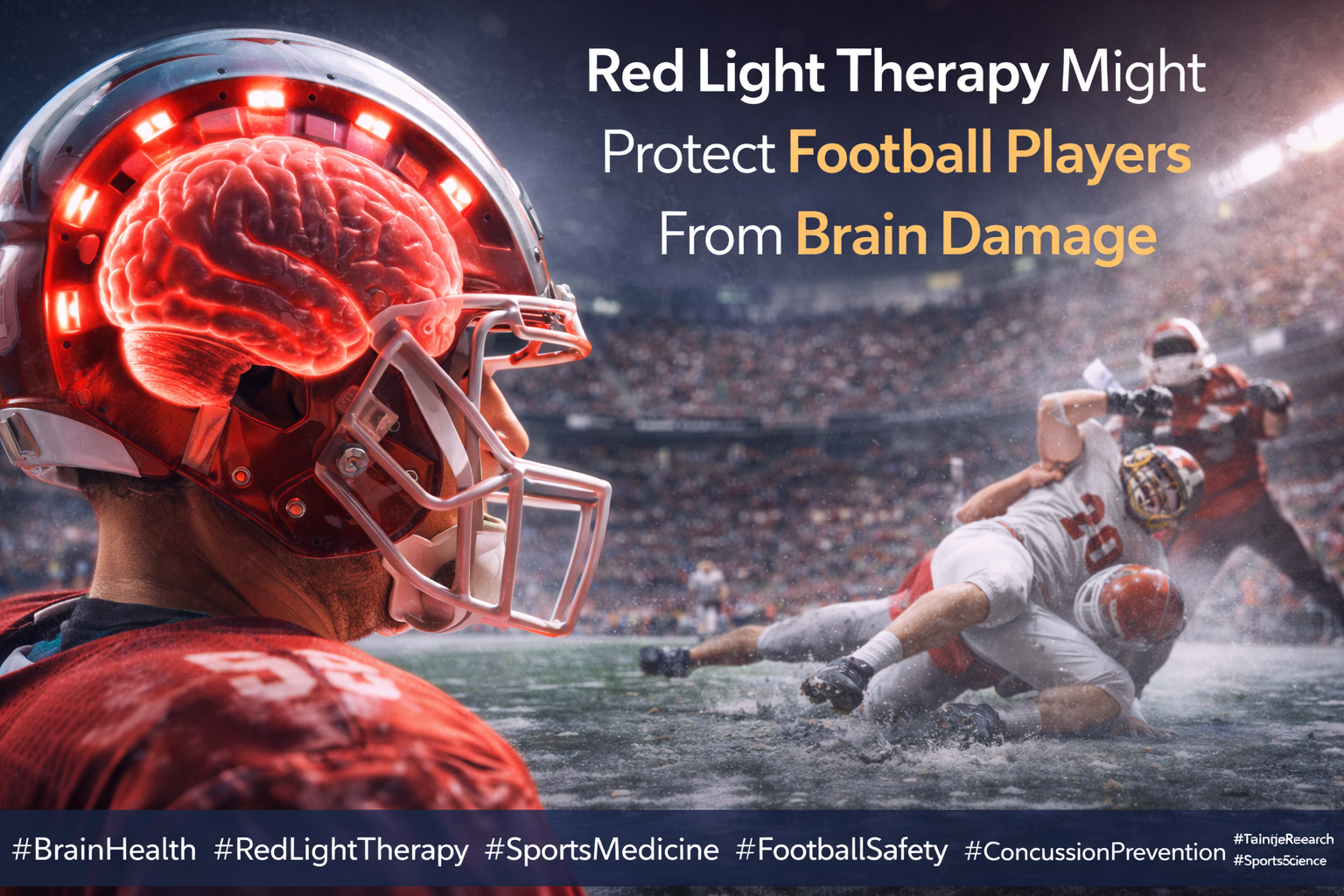
Football is a high-impact sport that places athletes at significant risk for head injuries, including concussions and repetitive sub-concussive blows. Over time, these injuries may lead to long-term brain conditions such as chronic traumatic encephalopathy (CTE), memory loss, mood disorders, and cognitive decline. As concern grows around player safety, scientists are exploring innovative, non-invasive therapies to protect the brain. One promising approach gaining attention is red light therapy, also known as photobiomodulation therapy.
What Is Red Light Therapy?
Red light therapy uses low-level red or near-infrared light to stimulate cellular activity in the body. Unlike ultraviolet light, it does not damage tissues or cause burns. Instead, it penetrates the skin and skull to reach brain tissue, where it may improve cellular energy production and reduce inflammation. This therapy has already been studied for wound healing, muscle recovery, pain reduction, and neurological conditions such as stroke and traumatic brain injury.
How Red Light Therapy Affects the Brain
At the cellular level, red light therapy targets mitochondria—the “powerhouses” of cells. Exposure to specific wavelengths of light can enhance mitochondrial function, increasing the production of adenosine triphosphate (ATP), which fuels brain cells. Improved energy availability may help neurons recover from injury, resist damage, and function more efficiently. Additionally, red light therapy appears to improve blood flow and oxygen delivery to brain tissue, both critical factors in healing after trauma.
Potential Benefits for Football Players
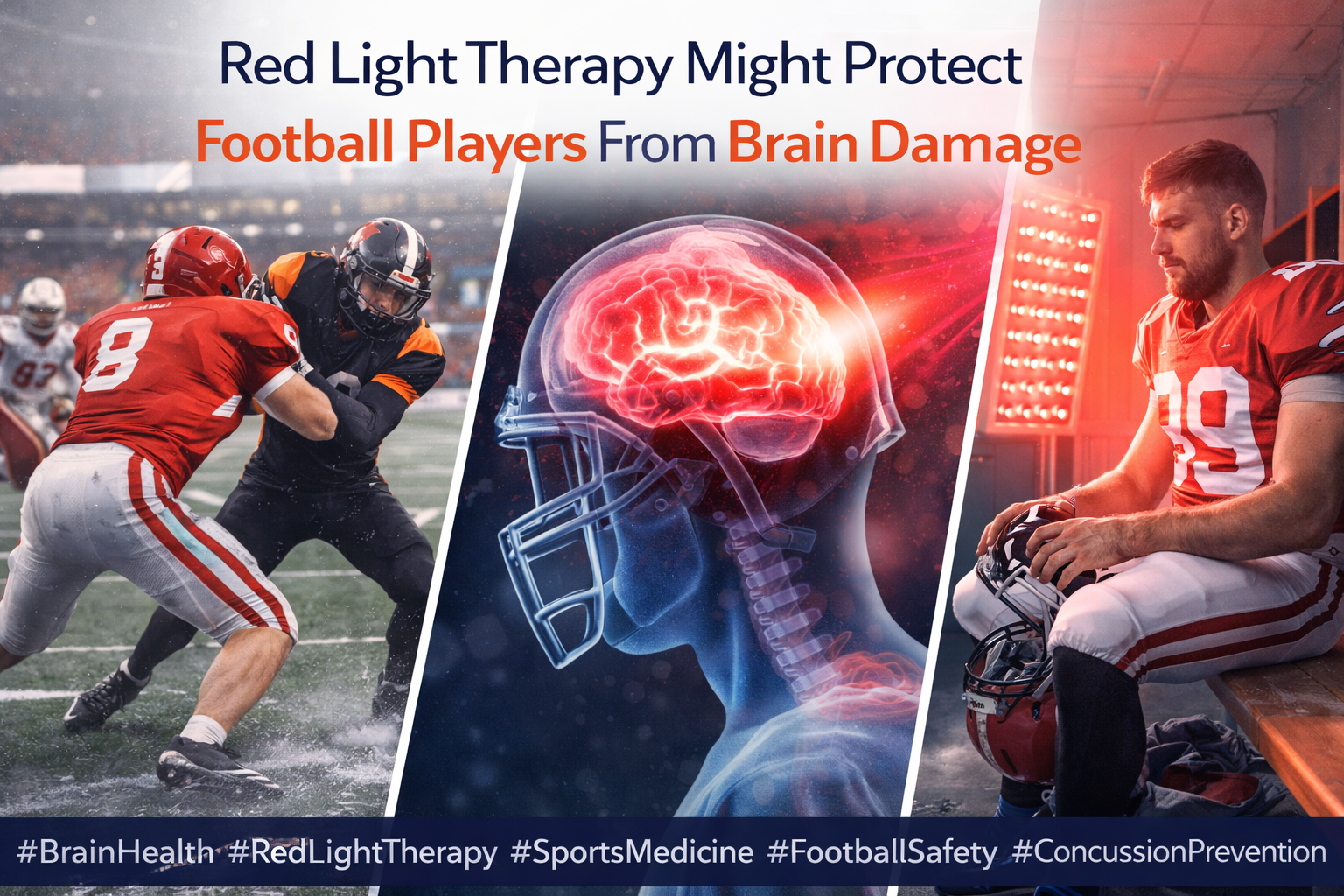
For football players, repeated head impacts can cause inflammation and micro-damage that accumulates over time. Red light therapy may help by reducing neuroinflammation, limiting oxidative stress, and supporting neural repair mechanisms. Early research suggests that athletes using this therapy may experience improved reaction time, better memory, and enhanced cognitive performance. Some studies also indicate that it could shorten recovery time following concussions and reduce the severity of post-concussion symptoms such as headaches, dizziness, and brain fog.
Current Research and Evidence
While large-scale clinical trials are still ongoing, smaller studies and pilot programs have shown encouraging results. Professional and collegiate teams have begun experimenting with helmet-integrated red light devices and post-game therapy sessions. Animal studies and early human trials suggest that regular use may offer neuroprotective effects, especially when applied consistently over a season.
Safety and Accessibility
One of the major advantages of red light therapy is its safety profile. It is non-invasive, painless, and does not rely on medications or surgery. Side effects are rare when used correctly. As technology advances, devices are becoming more portable and accessible, making it easier for athletes to integrate therapy into training and recovery routines.
Conclusion
Red light therapy represents a promising frontier in sports medicine and brain health. While it is not a cure-all or a substitute for proper concussion protocols, it may serve as a valuable tool in reducing brain damage risk among football players. As research continues, red light therapy could play an important role in protecting athletes’ long-term neurological health while allowing them to continue competing at high levels.
Our Products
-
Gabapentin 400mg
$1.00 / Per Pill

-
Gabapentin 300mg
$1.00 / Per Pill
-
Fenbendazole 500mg
$3.00 / Per Pill