Severe Anxiety
Anxiety is a natural response to stress, but in severe forms, it becomes chronic and overwhelming. Severe anxiety is characterized by persistent and excessive worry that is difficult to control. The individual may feel constantly on edge, expecting something bad to happen even in the absence of any real threat. This heightened state of fear and anticipation can manifest in various ways.
Symptoms of severe anxiety include:
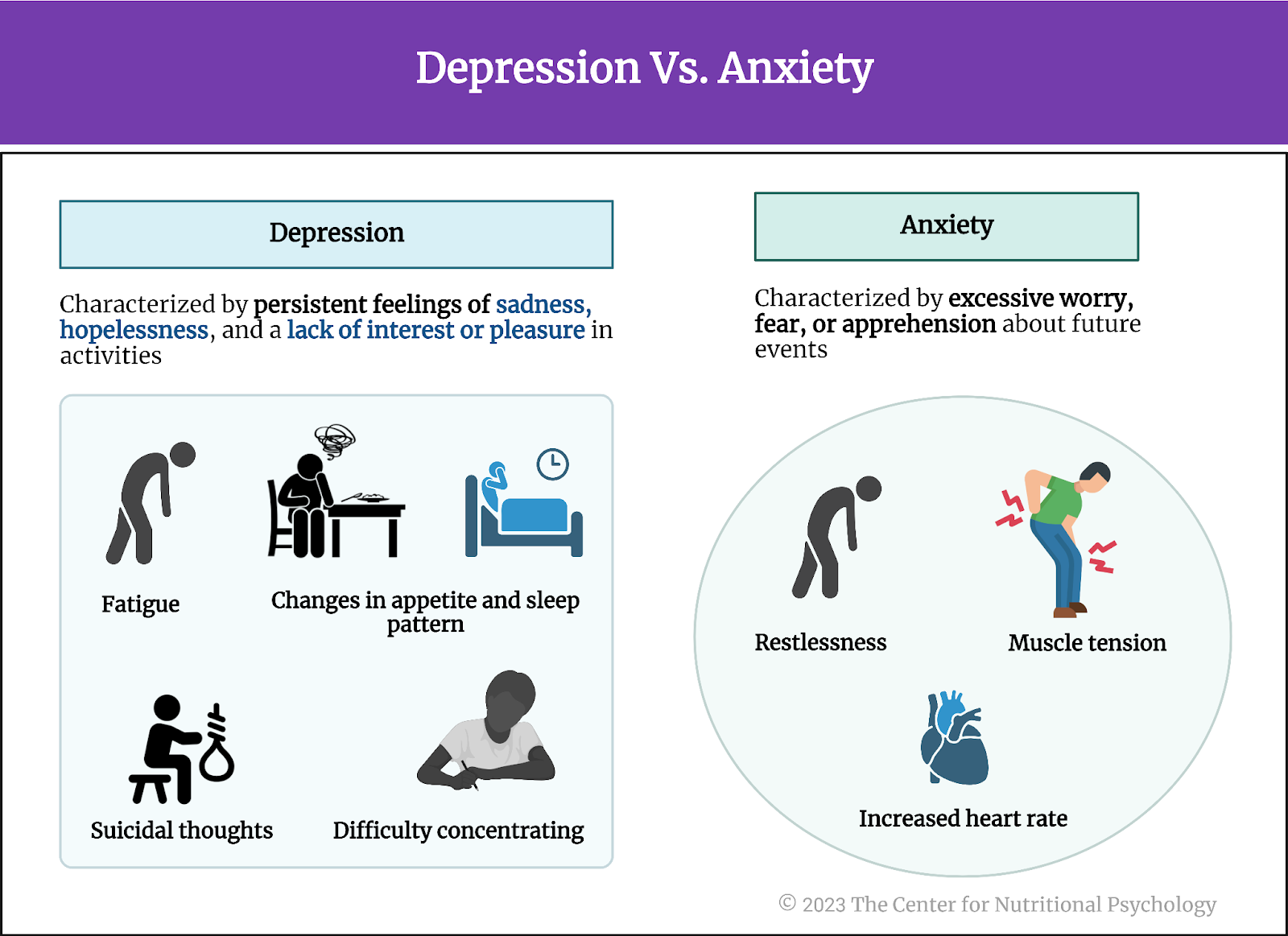
Excessive Worry: Obsessive, often irrational thoughts about worst-case scenarios.
Physical Symptoms: Rapid heartbeat, sweating, trembling, headaches, nausea, shortness of breath, and muscle tension.
Panic Attacks: Sudden episodes of intense fear accompanied by physical symptoms that can mimic heart attacks.
Sleep Disturbances: Difficulty falling or staying asleep due to racing thoughts.
Irritability and Restlessness: A constant feeling of agitation or being unable to relax.
Avoidance Behavior: Avoiding situations that may trigger anxiety, which can lead to isolation and decreased functioning.
Severe Depression
Depression goes beyond feelings of sadness or temporary emotional lows. Severe or major depression, also known as Major Depressive Disorder (MDD), is marked by a pervasive and persistent low mood, loss of interest or pleasure in activities, and a range of cognitive and physical symptoms that significantly impair life.
Symptoms of severe depression include:
Persistent Sadness or Emptiness: A deep, unshakable feeling of despair.
Loss of Interest: An inability to enjoy once-loved hobbies or social interactions.
Changes in Appetite or Weight: Significant weight gain or loss without dieting.
Fatigue and Lack of Energy: Even small tasks feel exhausting or insurmountable.
Feelings of Worthlessness or Guilt: Harsh self-criticism and distorted self-image.
Difficulty Concentrating: Trouble making decisions, remembering things, or focusing.
Suicidal Thoughts or Behaviors: In extreme cases, a person may feel that life is not worth living.
The Interaction Between Anxiety and Depression
When anxiety and depression co-occur, the symptoms of each can feed into the other, creating a cycle that is difficult to break. For example, chronic worry and nervousness (anxiety) can lead to feelings of hopelessness and despair (depression). Conversely, the fatigue and mental fog associated with depression can heighten feelings of fear and insecurity, making anxiety worse.
This combination often results in:
Increased severity and duration of symptoms
Poorer response to treatment
Greater impact on physical health
Higher risk of substance abuse and suicidal ideation
Causes and Risk Factors
Both disorders are multifactorial, meaning they arise from a complex interplay of genetics, brain chemistry, personality traits, and life events. Traumatic experiences, chronic stress, medical conditions, and imbalances in neurotransmitters such as serotonin and dopamine can contribute to their development.
Family history also plays a significant role. Those with close relatives who have anxiety or depression are more likely to develop these conditions themselves. Additionally, certain personality traits—such as perfectionism or low self-esteem—can make individuals more vulnerable.
Treatment and Hope
Severe anxiety and depression are treatable. Common approaches include:
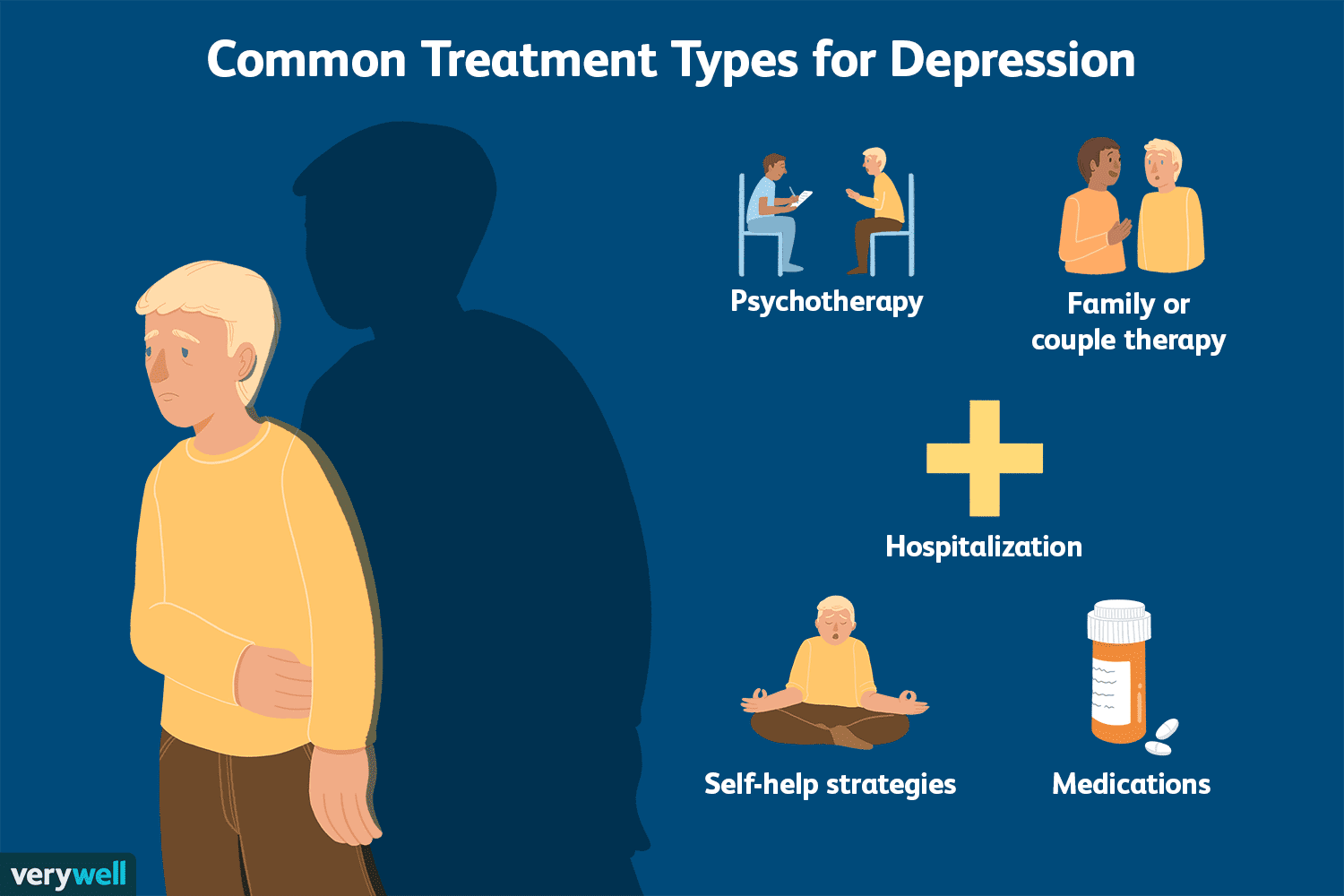
Psychotherapy: Cognitive Behavioral Therapy (CBT), exposure therapy, and other forms of talk therapy can be effective.
Medications: Antidepressants and anti-anxiety medications can help regulate brain chemistry.
Lifestyle Changes: Regular exercise, healthy eating, mindfulness, and adequate sleep can support recovery.
Support Systems: Social support from family, friends, or peer groups can provide emotional strength.
Recovery is not linear, and treatment often requires a personalized, long-term approach. But with proper care and support, individuals can manage symptoms, regain control of their lives, and move toward healing and stability.
Our Products
-
Tadaga Super 60mg
$2.00 / Per Pill
-
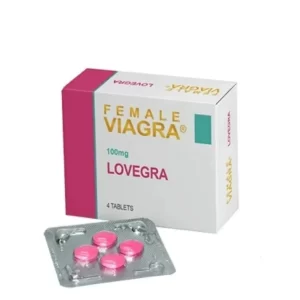
Lovegra 100mg
$1.50 / Per Pill
-
Testosterone Enanthate
$240.00 / Per 10ml