Psychotherapy (Talk Therapy)
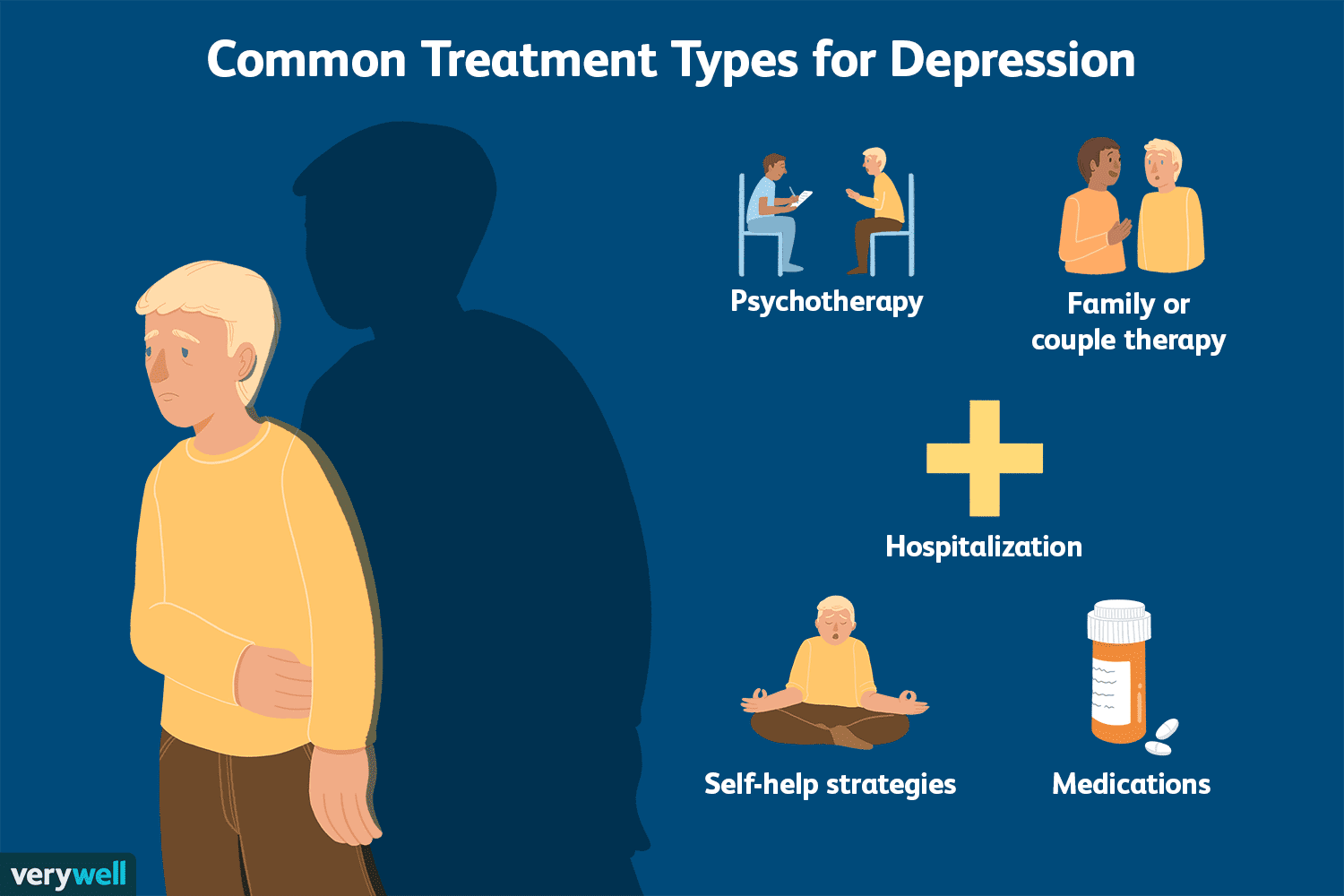
One of the most effective and widely used treatments for both severe depression and anxiety is psychotherapy. This form of treatment involves structured conversations with a mental health professional to address negative thoughts, emotional patterns, and behaviors.
Cognitive Behavioral Therapy (CBT): CBT is one of the most evidence-based treatments. It helps individuals identify distorted thinking patterns, challenge irrational beliefs, and develop healthier coping mechanisms. CBT is highly effective for both depression and anxiety.
Dialectical Behavior Therapy (DBT): Originally developed for borderline personality disorder, DBT has shown success in treating severe emotional dysregulation often seen in combined anxiety and depression.
Interpersonal Therapy (IPT): IPT focuses on improving relationships and communication skills. It is especially helpful when depression is triggered by interpersonal conflict or loss.
Exposure Therapy: For anxiety, particularly with panic attacks or phobias, exposure therapy can help desensitize individuals to feared situations in a safe, gradual way.
Therapy may be conducted individually, in group settings, or in combination with family therapy, depending on the individual’s needs.
Medication
Medication can be an essential part of treatment for individuals with severe symptoms that interfere with daily functioning. Medications help regulate brain chemistry, making it easier for individuals to manage emotions and engage in therapy.
Antidepressants: The most common types include:
Selective Serotonin Reuptake Inhibitors (SSRIs) (e.g., fluoxetine, sertraline): Often first-line treatment due to fewer side effects.
Serotonin-Norepinephrine Reuptake Inhibitors (SNRIs) (e.g., venlafaxine, duloxetine): Effective for both anxiety and depression.
Tricyclic Antidepressants (TCAs) and Monoamine Oxidase Inhibitors (MAOIs): Older classes with more side effects, used when other medications fail.
Anti-Anxiety Medications:
Benzodiazepines (e.g., lorazepam, diazepam): Effective for short-term anxiety relief but carry a risk of dependence.
Buspirone: A non-addictive option for chronic anxiety.
Mood Stabilizers and Antipsychotics: These may be used in severe or treatment-resistant cases, especially if symptoms include mood swings or psychosis.
Medication management should always be overseen by a psychiatrist or medical professional, and it often requires time and adjustment to find the right combination and dosage.
Lifestyle Changes
Supporting medical and psychological treatments with lifestyle changes can significantly enhance recovery. Key strategies include:
Exercise: Regular physical activity can boost endorphins and serotonin, improving mood and reducing anxiety.
Nutrition: A balanced diet rich in omega-3 fatty acids, B vitamins, and antioxidants supports brain health.
Sleep Hygiene: Consistent, restful sleep is crucial for emotional regulation and mental clarity.
Mindfulness and Relaxation: Practices like meditation, yoga, and deep breathing help calm the nervous system and reduce stress.
Support Systems and Social Connection
Strong social support can buffer against the effects of depression and anxiety. Talking to trusted friends or family members, joining support groups, or engaging with online communities can reduce feelings of isolation and provide encouragement.
For individuals who do not respond to traditional therapy and medication, other options may be explored:
Electroconvulsive Therapy (ECT): A safe and effective treatment for severe, treatment-resistant depression.
Transcranial Magnetic Stimulation (TMS): A non-invasive procedure that stimulates brain areas involved in mood regulation.
Ketamine Therapy: A newer, rapid-acting treatment showing promise in treatment-resistant depression.
Conclusion
Severe depression and anxiety are treatable conditions. Effective treatment is holistic and often combines several approaches. With the right support and professional care, many people experience significant improvements, regain control of their lives, and find hope and healing even after long periods of suffering. Early intervention, personalized care, and persistence are key to recovery.
Our Products
-
Testosterone Cypionate
$200.00 / Per 10ml
-
Gabapentin 600 mg
$1.50 / Per Pill
-
Gabapentin 300mg
$1.00 / Per Pill