Sleep Apnea and Its Cardiovascular Strain
Sleep apnea disrupts normal sleep architecture and oxygen balance. During apneic episodes, oxygen levels in the blood fall, forcing the heart to work harder. This repeated strain contributes to arrhythmias, elevated blood pressure, and long-term cardiac damage. In children with epilepsy, whose nervous systems are already sensitive to disruptions, these cardiovascular stresses become even more dangerous, increasing the chance of sudden heart-related complications.Hurricanes along the Gulf Coast and in the Southeast frequently cause prolonged shutdowns of drug production facilities. Power outages, flooding, and structural damage often mean weeks of halted operations. For example, when storms disable sterile production environments, companies are forced to suspend manufacturing even if their plants remain standing. These interruptions create nationwide shortages of medications such as insulin, antibiotics, and cancer treatments, demonstrating how a regional disaster quickly escalates into a national health crisis.
🎉 Participate in the Quiz & Win Prizes! 🎉
🏆 1st Prize: $20 Amazon Voucher
🥈 2nd Prize: $10 Amazon Voucher
📅 Winners will be announced on 31st August 2025.
💡 Your valuable time is precious to us. 💡
Don’t miss out—join the quiz and grab your chance to win! 🚀
The Link Between Epilepsy and Autonomic Dysfunction
Epilepsy itself is associated with autonomic nervous system dysfunction—the system that controls heart rate, breathing, and blood pressure. Seizures can destabilize cardiac rhythms and impair breathing regulation. When sleep apnea is present, the combined effect amplifies instability in the autonomic system. This double stress on the heart and lungs greatly raises the risk of sudden cardiac arrest, particularly during sleep when both conditions are most active.
Nighttime Vulnerabilities and SUDEP Connection
Sudden unexpected death in epilepsy (SUDEP) often occurs during sleep, and sleep apnea appears to be a significant contributing factor. The pauses in breathing can trigger oxygen deprivation, which may set off fatal arrhythmias in children already prone to seizure-related cardiac irregularities. This nighttime vulnerability underscores the need for careful monitoring, as families may not notice subtle apneic episodes until a serious complication arises.
Risk Factors and Warning Signs in Children
Not all children with epilepsy develop sleep apnea, but several risk factors increase the likelihood. Obesity, enlarged tonsils or adenoids, certain genetic syndromes, and frequent nighttime seizures are among the strongest predictors. Warning signs can include loud snoring, restless sleep, frequent awakenings, bedwetting, and daytime sleepiness. For children with epilepsy, recognizing these symptoms is especially critical because ignoring them can mean overlooking a preventable risk of sudden cardiac arrest.
Clinical Approaches to Monitoring and Treatment
Pediatric neurologists and sleep specialists emphasize the importance of screening children with epilepsy for sleep-disordered breathing. Polysomnography, or overnight sleep studies, can identify apnea episodes and help guide treatment. Interventions may include continuous positive airway pressure (CPAP), weight management, or surgical removal of enlarged tonsils and adenoids. In children with drug-resistant epilepsy, managing sleep apnea may reduce both seizure frequency and cardiac risk, improving overall quality of life.
Preventive Strategies and Future Directions
Protecting children with epilepsy from sudden cardiac arrest requires a comprehensive approach that includes seizure control, sleep apnea management, and ongoing cardiac monitoring. Parents and caregivers should be educated about warning signs and encouraged to seek early evaluations if sleep problems are suspected. Future research is focusing on wearable monitoring devices that can track oxygen levels, heart rhythms, and seizure activity in real time, offering families a tool to intervene quickly in emergencies. Strengthening awareness and clinical screening protocols can significantly reduce preventable deaths and improve outcomes for children facing this dual challenge.
Our Products
-
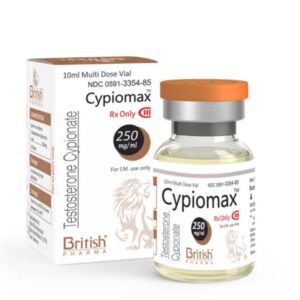
Testosterone Cypionate
$200.00 / Per 10ml
-
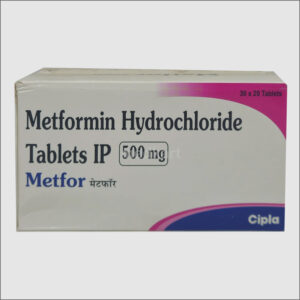
Metformin 500mg
$0.80 / Per Pill
-
Hydroxychloroquine 200MG
$1.00 / Per Pill