Introduction
Bottled water is often marketed as a cleaner, safer alternative to tap water. Millions of people worldwide choose bottled water believing it is free from harmful contaminants. However, recent research suggests that some popular bottled water brands may contain unregulated chemicals, raising concerns about long-term health and regulatory gaps.
What Are Unregulated Chemicals?
Unregulated chemicals are substances that are not currently covered or limited by drinking water safety standards. Unlike regulated contaminants such as lead, arsenic, or bacteria, these chemicals may not have legally defined safe limits, even if scientific evidence suggests they could pose health risks. Many of these compounds are byproducts of industrial processes, plastic packaging, or water treatment methods.
Key Findings From Recent Research
Researchers analyzing multiple bottled water brands found traces of synthetic chemicals, including industrial solvents, plastic-related compounds, and treatment byproducts. Some studies detected substances such as per- and polyfluoroalkyl substances (PFAS), often referred to as “forever chemicals” because they do not easily break down in the environment or the human body.
In addition, researchers identified chemicals that may leach from plastic bottles, especially when bottles are exposed to heat or stored for long periods. While the detected levels were generally low, scientists warn that chronic exposure over time could increase potential health risks.
Why Bottled Water Regulations Differ
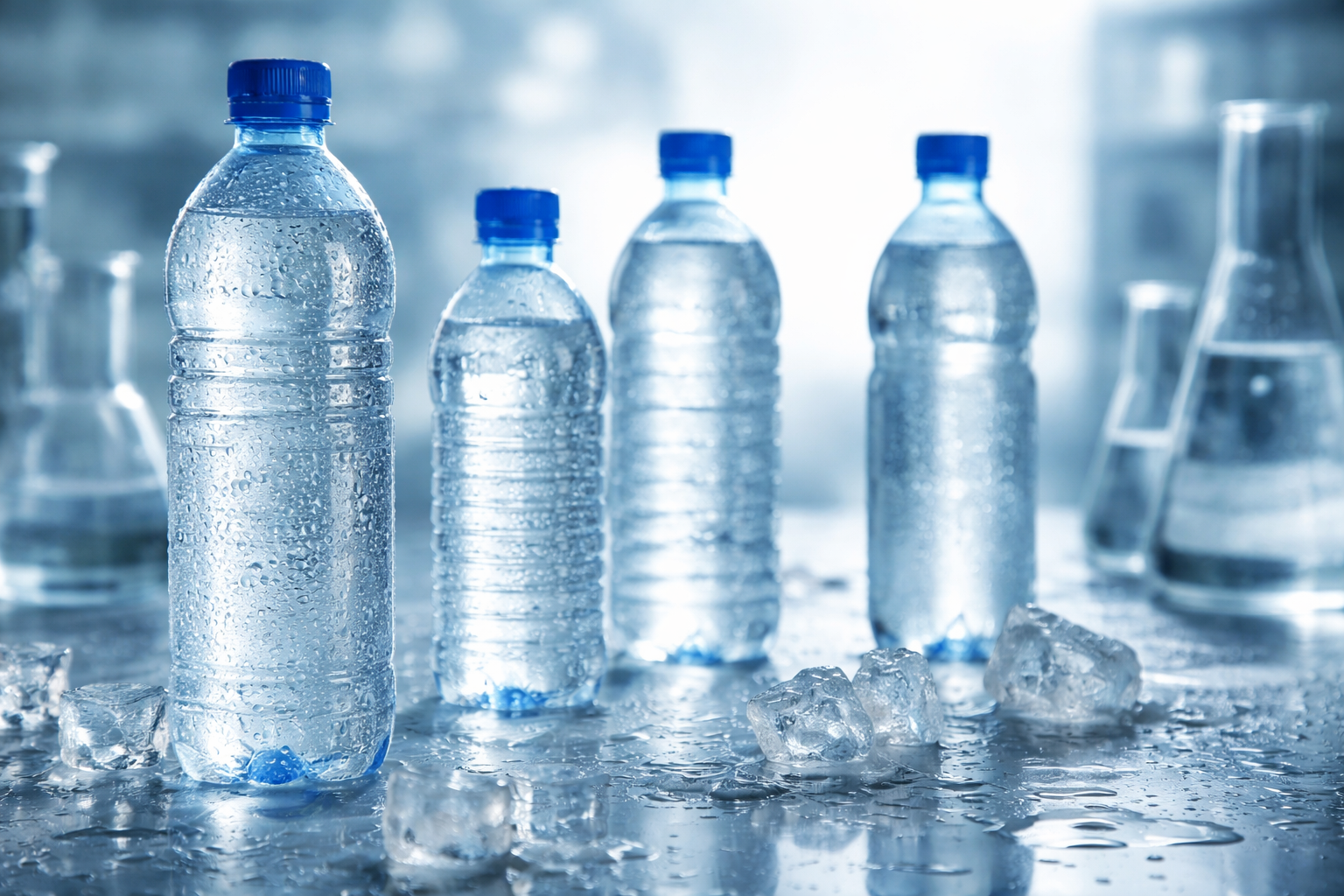
In many countries, bottled water is regulated as a food product, not as a public utility like tap water. This difference can result in less frequent testing and fewer disclosure requirements. For example, some bottled water manufacturers are not required to publish full contaminant test results as publicly as municipal water suppliers must.
This regulatory gap means consumers may assume bottled water is safer, even though tap water is often more strictly monitored and tested more frequently for a wider range of contaminants.
Potential Health Concerns
Although research is still ongoing, some unregulated chemicals have been linked in scientific studies to potential health issues such as:
Hormonal disruption
Immune system effects
Increased risk of certain cancers
Developmental concerns in children
Health experts emphasize that occasional consumption is unlikely to cause immediate harm, but long-term exposure, especially for people who rely heavily on bottled water, remains a concern.
Environmental Impact Adds Another Layer
Beyond health implications, bottled water contributes to plastic pollution, which can further introduce microplastics and chemical contaminants into water sources. Microplastics have been found in both bottled and tap water, and researchers are still studying their long-term effects on human health.
Looking Ahead
Researchers stress that more comprehensive studies are needed to fully understand the health implications of unregulated chemicals in bottled water. At the same time, they are calling for updated regulations, improved testing methods, and clearer labeling to help consumers make informed choices.
While bottled water remains convenient, experts agree that safety should not be assumed solely based on packaging. As science continues to evolve, so too must the standards designed to protect public health.