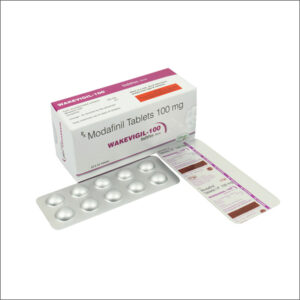
Anxiety manifests as an ongoing sense of worry, tension, and nervousness. It’s not just about feeling anxious before a big event—it’s a persistent, sometimes irrational fear that can creep into every aspect of life. People with anxiety often experience racing thoughts, a sense of impending doom, and a chronic state of restlessness. They might constantly overthink situations, play out worst-case scenarios in their heads, or worry about things that haven’t even happened. Physically, anxiety can cause symptoms like rapid heartbeat, shortness of breath, stomach discomfort, dizziness, muscle tension, and sweating. It can disrupt sleep, ruin concentration, and make social interactions feel unbearable.
Depression, on the other hand, is more like a heavy fog that dulls everything. It drains energy, motivation, and joy. People suffering from depression often feel a deep sense of sadness, hopelessness, or emotional numbness. It can become difficult to get out of bed, eat, bathe, or complete simple daily tasks. Things that once brought pleasure—hobbies, friends, work—may feel meaningless or burdensome. Depression often includes negative thoughts about oneself, intense feelings of worthlessness, and, in some cases, suicidal ideation.
Emotionally, this dual burden is devastating. There can be intense feelings of shame, guilt, and self-criticism. Sufferers often feel misunderstood or isolated, even when surrounded by people. They might hide their struggles behind a mask of normalcy, fearing judgment or rejection. Over time, the mental and emotional weight can cause significant physical effects: fatigue, weakened immune system, headaches, and chronic pain.
Social relationships are often strained. People may withdraw from loved ones, not because they don’t care, but because they feel like a burden or believe no one can truly understand them. In professional settings, productivity can plummet. Tasks take longer, mistakes increase, and the fear of failure grows. This can lead to feelings of inadequacy, which feed the cycle of depression and anxiety further.
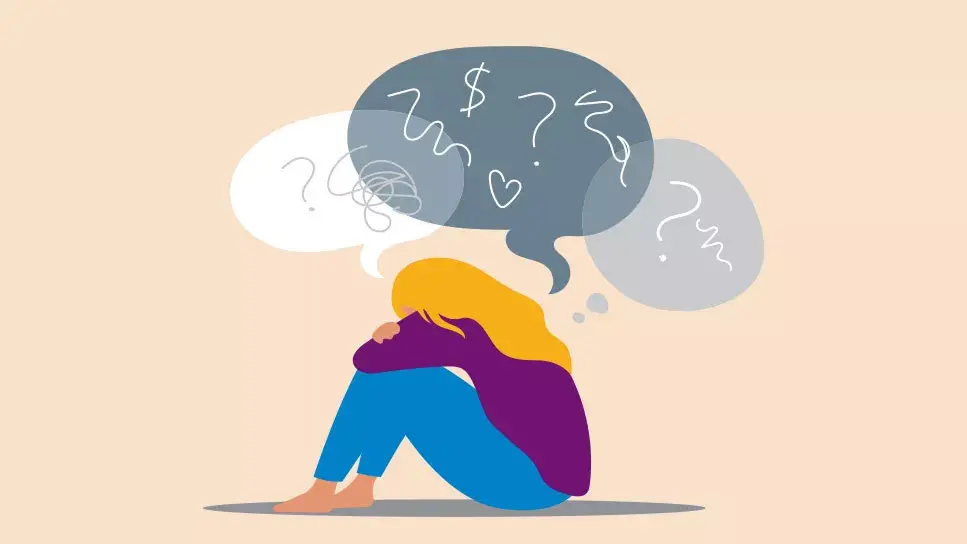
Despite all of this, it’s important to remember that anxiety and depression are treatable. With the right combination of therapy, medication, lifestyle changes, and support, individuals can manage their symptoms and regain control over their lives. Cognitive Behavioral Therapy (CBT), for example, helps people identify and challenge negative thought patterns. Medications like SSRIs can help balance brain chemistry. Exercise, mindfulness, and connecting with others can also play a significant role in healing.
Side Effects:
Living with anxiety and depression is incredibly difficult, but it does not define a person. Behind the pain and struggle is resilience, strength, and the possibility of recovery. Speaking openly about mental health, seeking help, and offering compassion to those who suffer can break the silence and stigma surrounding these conditions—and bring light to those still living in the dark.