overview
In recent years, at-home gut microbiome testing kits have gained immense popularity. Advertised as tools to unlock the secrets of your digestive system, these kits claim to provide personalized insights into your gut health, diet, and even mood. With growing interest in wellness and the role of gut bacteria in overall health, many consumers are eager to try them. However, despite their promise, these tests come with significant limitations that consumers should understand before relying on the results.
Understanding Gut Microbiome Tests
The human gut is home to trillions of microorganisms — bacteria, fungi, viruses, and other microbes — that play a vital role in digestion, metabolism, and immune system function. A healthy gut microbiome helps absorb nutrients, protect against harmful pathogens, and may even influence mental health through the “gut-brain axis.”
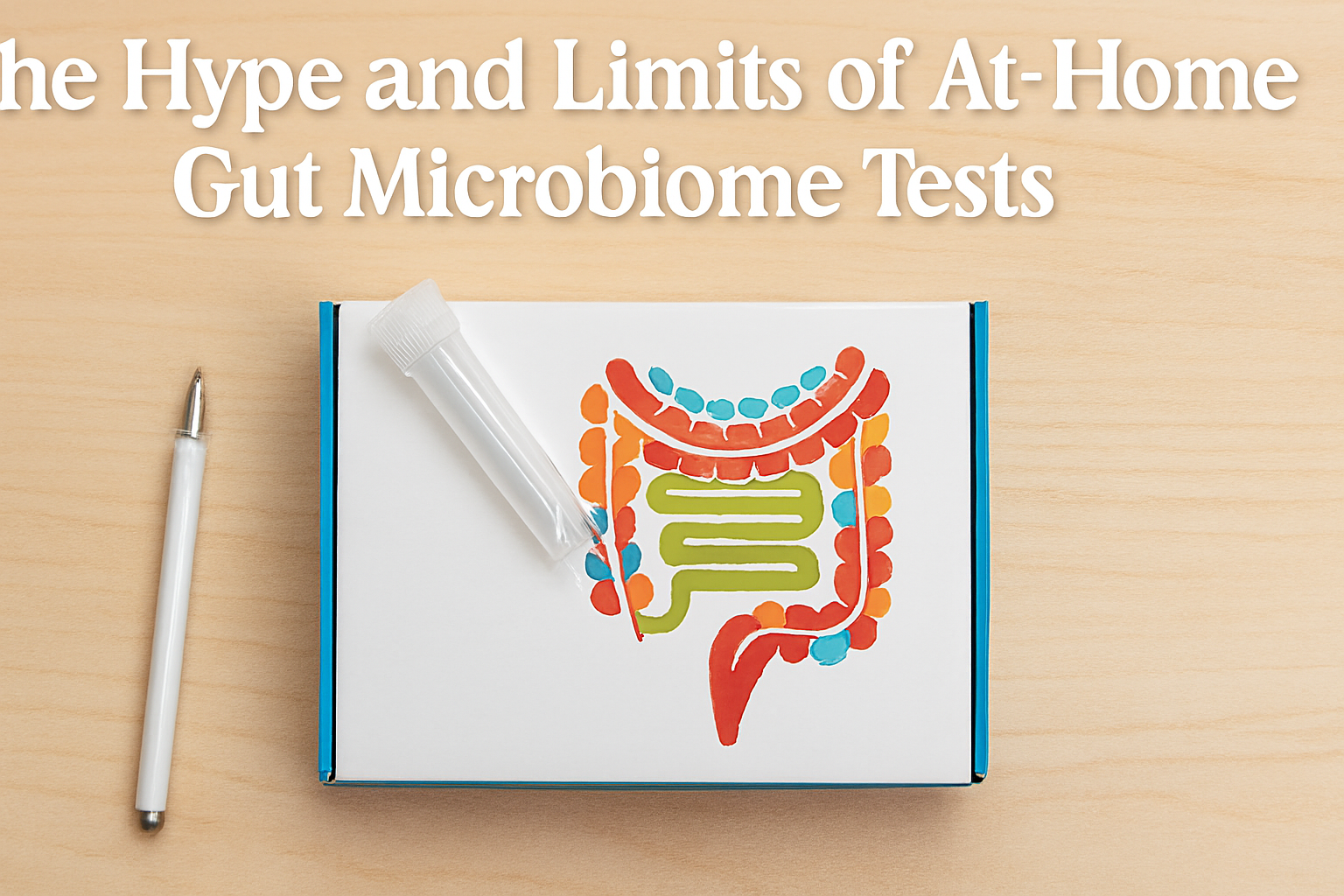
At-home gut microbiome tests typically require a small stool sample that users collect and mail to a lab. The lab analyzes the sample using genetic sequencing technology, such as 16S rRNA sequencing or whole genome sequencing, to identify the types and proportions of microbes in the gut. The company then provides a report detailing which bacteria are present and how the individual’s microbiome compares to a “healthy” reference group. Some services even suggest dietary changes, probiotics, or supplements based on the results.
The Hype: What These Tests Promise
The marketing for at-home microbiome tests often emphasizes personalization and control. Companies claim they can help you:
Improve digestion and reduce bloating
Lose weight through microbiome-based diet plans
Identify food intolerances or sensitivities
Enhance mood and mental well-being
Optimize overall health and longevity
The idea of receiving a detailed “gut report card” that guides you toward better health is undeniably appealing. People are drawn to the concept of personalized nutrition — eating according to what their unique gut bacteria “prefer.” In theory, understanding one’s microbiome could pave the way for precision medicine, where treatments and diets are tailored to each person’s biology.
The Limits: What Science Says
Despite the excitement, most microbiome scientists caution that the science behind these consumer tests is still in its early stages. The composition of the gut microbiome can vary significantly from day to day, depending on factors such as diet, stress, sleep, and medication. A single stool sample provides only a snapshot, not a complete picture, of a person’s microbial ecosystem.
Moreover, the relationship between specific bacteria and health outcomes is not yet well-defined. Having more or less of a particular microbe does not necessarily mean you are healthy or unhealthy. Most commercial tests cannot accurately predict diseases, food sensitivities, or ideal diets based on current scientific understanding.
Another concern is the lack of regulation and standardization in the microbiome testing industry. Different companies use different methods and databases, leading to inconsistent or even contradictory results. The dietary or probiotic recommendations provided are often generic, not scientifically validated, and sometimes based on limited data.
Privacy and Ethical Considerations
An often-overlooked issue with at-home tests is data privacy. Microbiome data, like genetic data, is deeply personal. Some companies may store or share your biological information with third parties for research or commercial purposes. Consumers should always read privacy policies carefully and choose reputable providers that clearly state how data is handled.
The Bottom Line
At-home gut microbiome tests can be an interesting way to learn about your body, but they should not be mistaken for medical diagnostics. The results can offer a general sense of your microbial diversity but should not be used to make major health or dietary decisions without consulting a healthcare professional.
The hype around these tests reflects the growing fascination with personalized health, but the science has yet to catch up fully. For now, the best ways to support gut health remain simple and evidence-based — eat a balanced diet rich in fiber, stay hydrated, manage stress, exercise regularly, and get enough sleep.
In conclusion, while at-home gut microbiome testing holds exciting potential, it currently offers more curiosity than clarity. Understanding your gut is important, but true insight still requires more scientific progress and professional guidance.