
Introduction
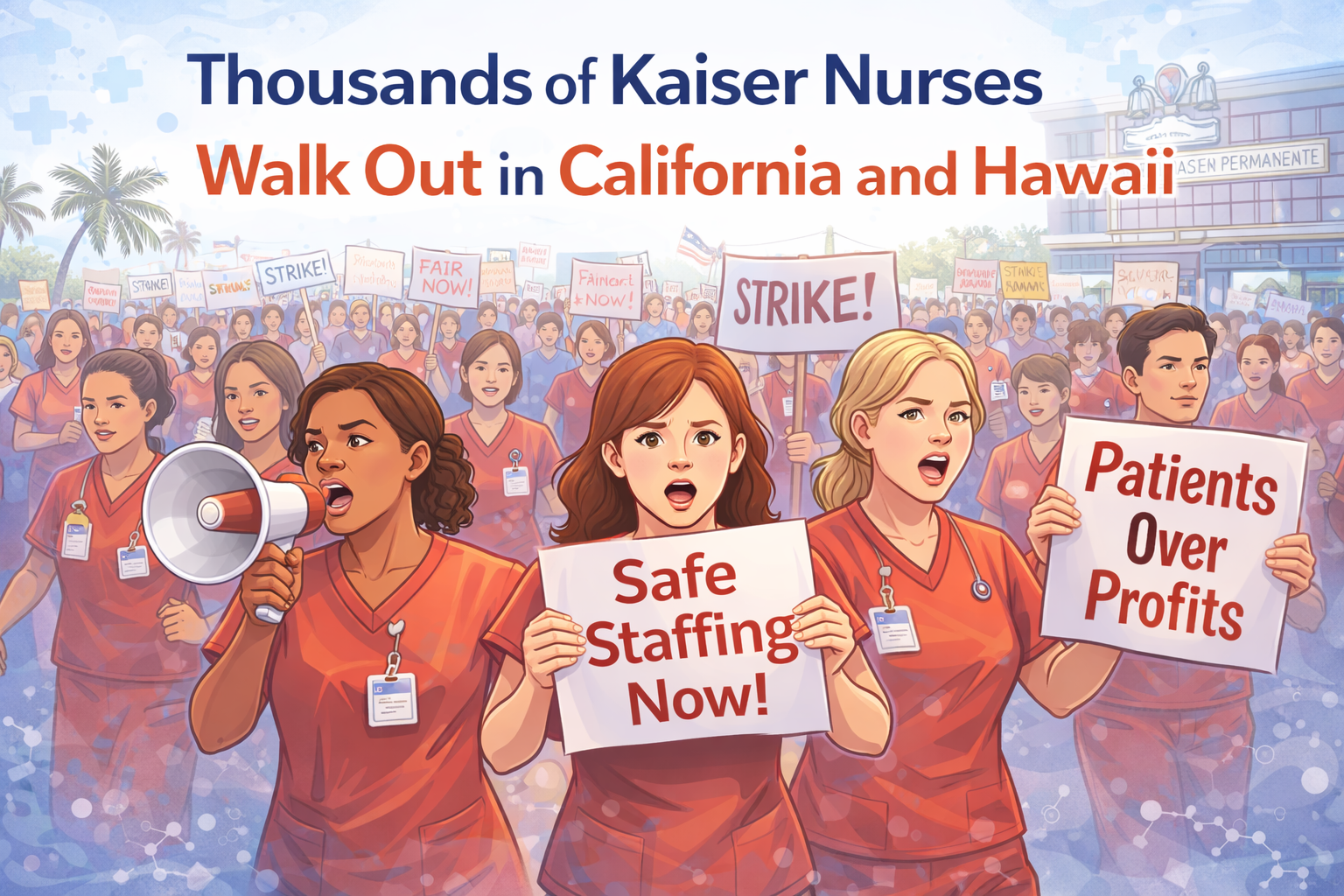
Thousands of nurses employed by Kaiser Permanente staged a major walkout across California and Hawaii, drawing national attention to ongoing concerns about staffing shortages, patient safety, and working conditions in the healthcare system. The strike reflects growing frustration among frontline healthcare workers who say current conditions are unsustainable and risk both staff well-being and quality of patient care.
Scope of the Walkout
The walkout involved nurses from multiple Kaiser Permanente hospitals and medical facilities, making it one of the most significant healthcare labor actions in recent months. Facilities across major California cities and parts of Hawaii were affected, with emergency services continuing but many non-emergency appointments delayed or rescheduled. Union leaders stated that the strike was carefully planned to minimize harm to patients while amplifying nurses’ voices.
Key Reasons Behind the Strike
At the heart of the walkout are chronic understaffing and increased workload pressures. Nurses report caring for more patients per shift than is considered safe, leading to exhaustion, burnout, and heightened risk of medical errors. Many argue that staffing shortages have worsened since the COVID-19 pandemic, yet solutions have been slow to materialize.
Patient Safety Concerns
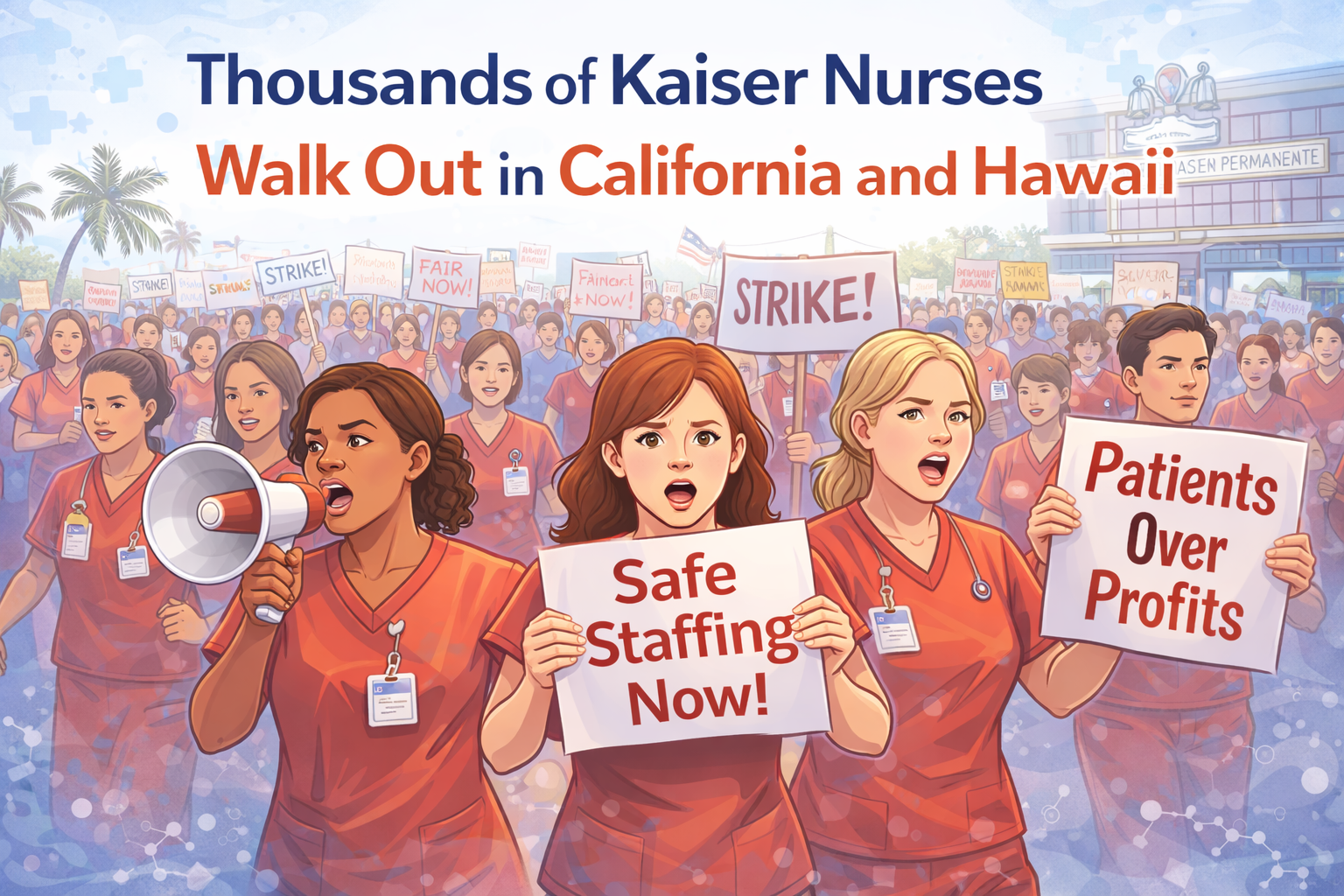
Nurses emphasized that their protest is rooted in patient advocacy rather than wages alone. High patient-to-nurse ratios can compromise the quality of care, delay response times, and increase the likelihood of adverse outcomes. Nurses say they are often forced to work overtime or skip breaks, conditions that can impact both physical and mental health while also affecting patient safety.
Contract Negotiations and Labor Disputes
The walkout stems from stalled contract negotiations between Kaiser Permanente and nursing unions. Key issues include staffing guarantees, fair scheduling, mental health support, and workplace safety measures. Union representatives argue that management has not adequately addressed these concerns, while Kaiser has stated it remains committed to reaching a fair agreement and ensuring continuity of care.
Impact on Healthcare Services
During the strike, Kaiser implemented contingency plans, including bringing in temporary staff and redistributing workloads. However, some patients experienced longer wait times and postponed procedures. Healthcare experts note that while short-term disruptions are challenging, prolonged staffing issues pose a greater long-term risk to healthcare systems.
Voices From the Frontlines
Many nurses participating in the walkout shared stories of emotional exhaustion and moral distress. They described wanting to provide the highest standard of care but feeling constrained by limited resources and excessive demands. Some nurses noted that the profession is seeing increased turnover, with experienced staff leaving bedside care altogether.
Conclusion
The walkout by thousands of Kaiser nurses in California and Hawaii underscores deep-rooted challenges within modern healthcare. As negotiations continue, the situation serves as a powerful reminder that protecting nurses’ well-being is inseparable from protecting patient care. The outcome of this labor action may influence future healthcare policies and labor relations across the country.
Our Products
-
Gabapentin 400mg
$1.00 / Per Pill

-
Gabapentin 300mg
$1.00 / Per Pill

-
Fenbendazole 500mg
$3.00 / Per Pill