Everyday Chemist

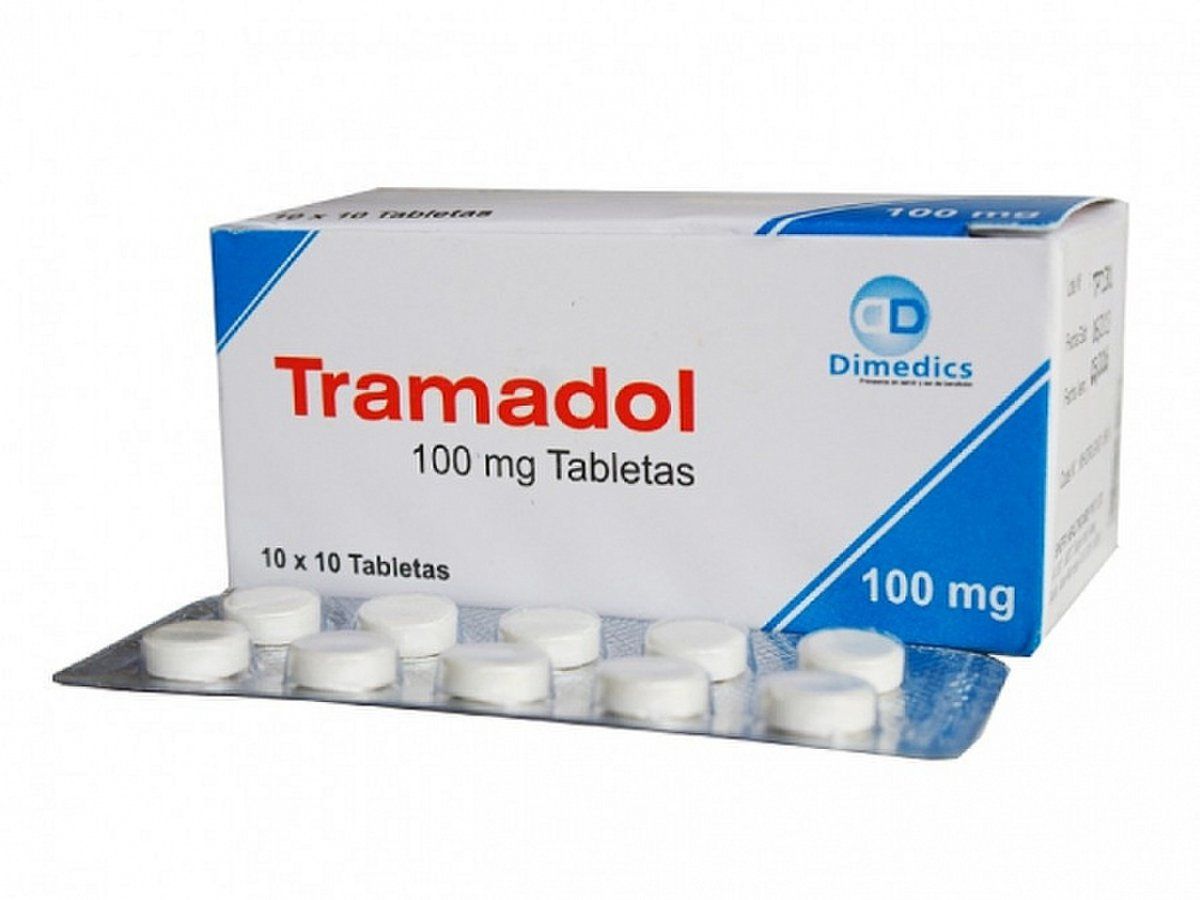
Tramadol 100mg

Tramadol 100mg is a prescription medication classified as an opioid analgesic, primarily used for the management of moderate to moderately severe pain. It is a synthetic opioid that works by altering the brain’s perception and response to pain. While it is considered to have a lower potential for addiction compared to stronger opioids like morphine or oxycodone, tramadol still carries significant risks, especially when misused or combined with other substances.

Table of Contents

What Is Tramadol 100mg?

Tramadol 100mg refers to a specific strength of the drug, commonly prescribed when lower doses (such as 50mg) do not provide sufficient pain relief. It may be prescribed in immediate-release (IR) or extended-release (ER) formulations. The 100mg dose is usually reserved for patients who have developed some tolerance to opioids or are experiencing more persistent or chronic pain, such as pain from surgery, injuries, or certain medical conditions like osteoarthritis or fibromyalgia.

In its extended-release form, tramadol 100mg is typically taken once daily to provide around-the-clock pain management. The immediate-release version may be taken every 4 to 6 hours, depending on the physician’s directions.

How Tramadol 100mg Works

Tramadol acts on the central nervous system by binding to the brain’s opioid receptors and inhibiting the reuptake of norepinephrine and serotonin. This dual mechanism is what sets tramadol apart from other opioids. It not only blocks pain signals but also alters mood and perception in ways that can enhance pain tolerance.

However, because tramadol impacts neurotransmitters, it also carries a risk of serotonin syndrome, especially when combined with other medications like antidepressants (SSRIs, SNRIs, MAO inhibitors). This is a serious and potentially life-threatening condition marked by confusion, agitation, rapid heart rate, and high body temperature.

Precautions and Interactions

Tramadol should be used with caution in individuals with:

  • Liver or kidney disease

  • Epilepsy or seizure disorders

  • A history of mental illness or addiction

  • Breathing problems such as asthma or COPD

It can interact with various medications, including sedatives, antidepressants, antipsychotics, and other opioids. Combining tramadol with alcohol or benzodiazepines significantly increases the risk of respiratory depression and death. 

Risks and Side Effects

Despite its usefulness, tramadol 100mg is not without risks. Common side effects include:

  • Dizziness

  • Nausea and vomiting

  • Constipation

  • Drowsiness

  • Headache

  • Sweating

Serious but less common side effects include:

  • Seizures (especially at higher doses or in people with a history of seizures)

  • Addiction, misuse, and dependency

  • Respiratory depression (more likely at higher doses or when mixed with alcohol or sedatives)

  • Serotonin syndrome

The risk of addiction increases with long-term use or in individuals with a history of substance abuse. Tolerance may develop over time, leading to the need for higher doses to achieve the same pain relief, which can be dangerous.

Conclusion

Tramadol 100mg is a potent and effective pain reliever when used responsibly under medical supervision. It offers a valuable option for patients with moderate to severe pain, especially when other treatments fail. However, like all opioids, it must be used cautiously due to its potential for serious side effects, dependency, and interactions. Patient education, proper dosage, and ongoing medical oversight are key to ensuring the safe and effective use of tramadol 100mg.

Our Products

Helpful Links

Send Us a Message

Full Name
Scroll to Top