How Valium Works in the Brain
Valium, or diazepam, belongs to the benzodiazepine class of medications. It works by enhancing the activity of gamma-aminobutyric acid (GABA), a neurotransmitter that calms nervous system activity. This produces a sedative effect, relaxing both the mind and body. For people experiencing acute anxiety or panic attacks, Valium can provide rapid relief, often within an hour of taking a dose.
Valium’s Popularity and Historical Context
By the 1970s, Valium had become a cultural icon, symbolizing society’s growing reliance on medication to cope with daily stress. It was prescribed widely—not only for clinical anxiety but also for insomnia, muscle spasms, and even general nervousness. Its popularity reflected both medical enthusiasm and social pressures of the time. However, widespread use also revealed the darker side of dependency and misuse, which would ultimately tarnish Valium’s reputation.
Benefits of Valium for Anxiety Relief
Despite concerns, Valium does have clear benefits when used appropriately. It works quickly, making it especially useful in emergency settings, such as panic attacks or acute anxiety episodes. It can also help bridge patients through a difficult period until longer-term treatments, like antidepressants or therapy, begin to take effect. For individuals under severe distress, the immediate calming effect of Valium can be life-changing.
Risks, Side Effects, and Dependence
The flip side of Valium’s effectiveness is its potential for misuse. Because it acts quickly and produces a sense of calm, users may develop tolerance, requiring higher doses over time. Dependence can form within weeks of regular use, and withdrawal symptoms—including insomnia, irritability, and rebound anxiety—can be difficult to manage. Other side effects may include drowsiness, memory problems, and impaired coordination, making it unsuitable for long-term daily use.
Modern Alternatives: SSRIs and SNRIs
In recent decades, selective serotonin reuptake inhibitors (SSRIs) like sertraline and serotonin-norepinephrine reuptake inhibitors (SNRIs) like venlafaxine have become first-line treatments for anxiety disorders. These drugs do not act as quickly as Valium but are safer for long-term use. They work by balancing neurotransmitters in the brain that regulate mood and anxiety, offering a more sustainable solution with a lower risk of dependence.
Other Contemporary Options: Therapy and Lifestyle Approaches
Alongside medication, modern anxiety treatment emphasizes cognitive-behavioral therapy (CBT), mindfulness practices, and lifestyle changes. These approaches help patients understand the root causes of their anxiety and develop coping strategies that don’t rely on medication alone. Exercise, sleep hygiene, and stress management techniques are also now recognized as powerful tools in managing anxiety, often complementing medical treatment.
When Valium Still Has a Role
Although newer drugs and therapies dominate, Valium still has a place in today’s medical toolkit. Doctors may prescribe it for short-term use during severe anxiety flare-ups, in pre-surgical settings, or to manage conditions like seizures and muscle spasms. The key difference is that it is now viewed as a temporary aid rather than a long-term solution.
Our Products
-
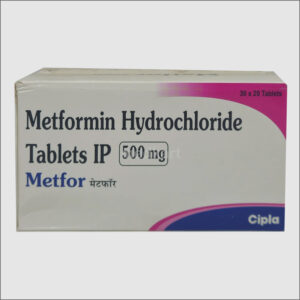
Metformin 500mg
$0.80 / Per Pill
-
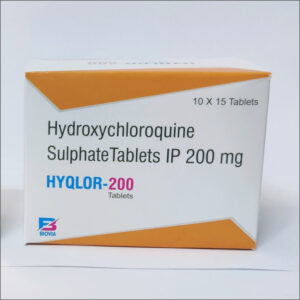
Hydroxychloroquine 200MG
$1.00 / Per Pill
-
Tapentadol 100 mg
$2.00 / Per Pill