Versatility in Clinical Use
In modern healthcare, the concept of versatility in clinical use has become increasingly important. With rapid advancements in medical technology, evolving patient needs, and the complexity of healthcare delivery systems, versatility has emerged as a defining characteristic of effective clinical tools, treatments, and professional practices.
Versatility in this context refers to the adaptability, multifunctionality, and broad applicability of clinical approaches, enabling healthcare professionals to provide high-quality care across a wide range of conditions, settings, and patient populations.
Primary Dimensions of Versatility
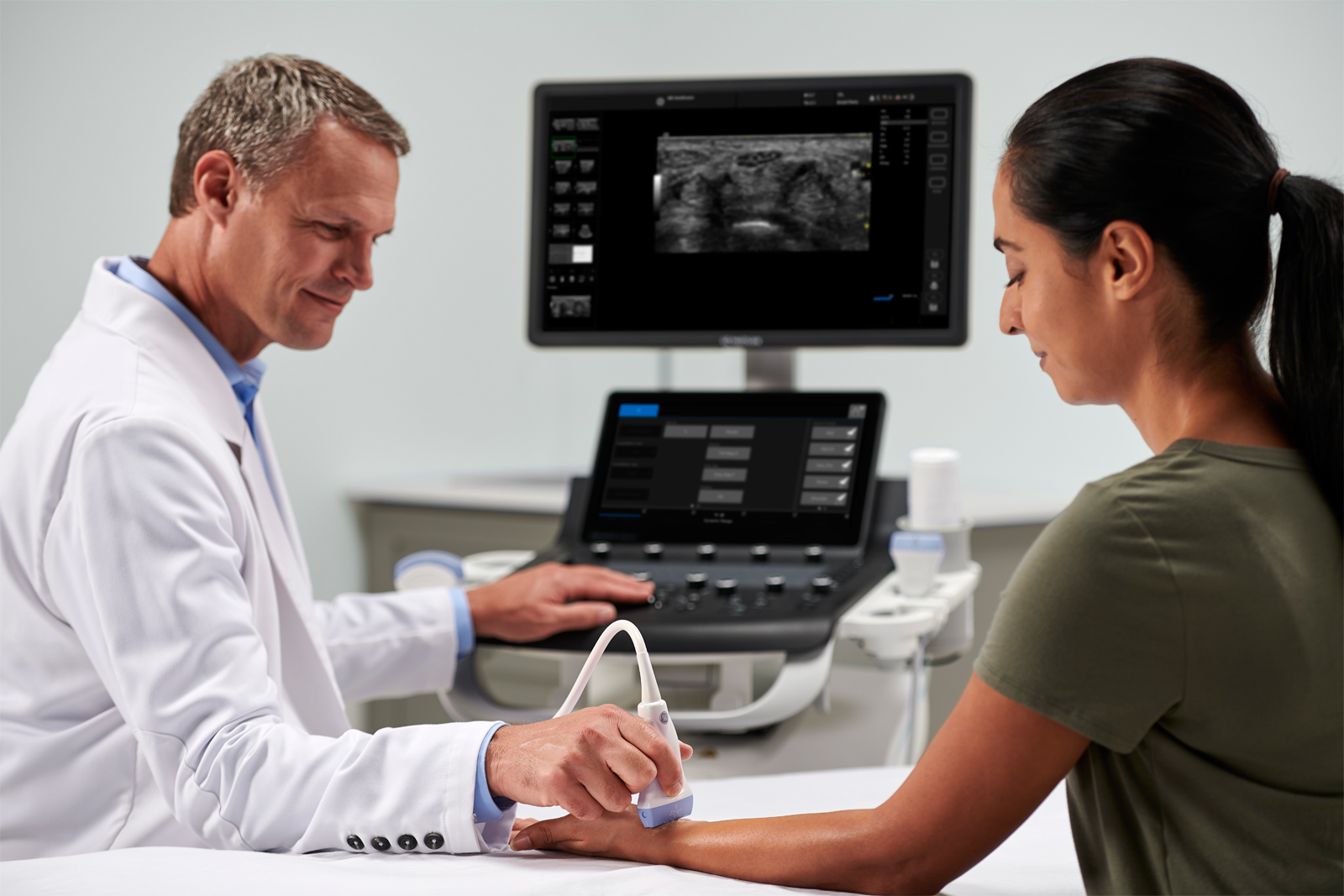
One of the primary dimensions of versatility lies in medical technologies and devices. Today’s diagnostic tools, imaging systems, and therapeutic devices are designed not only for precision but also for adaptability across multiple clinical scenarios. For instance, portable ultrasound machines are widely used in emergency departments, intensive care units, rural clinics, and even in home healthcare. Their versatility allows clinicians to perform rapid bedside assessments, guide interventional procedures, and monitor treatment progress without the need for bulky, fixed equipment. Similarly, multiparameter monitors can track vital signs for patients of different ages and conditions, reducing the need for multiple specialized devices and improving cost efficiency.
Versatility is Equally Significant
Versatility is equally significant in clinical procedures and interventions. Minimally invasive surgical techniques are a prime example, as they can be applied to a wide spectrum of conditions across specialties such as cardiology, gastroenterology, gynecology, and orthopedics. These approaches reduce recovery times, minimize complications, and are adaptable to both elective and emergency care. Similarly, interventional radiology procedures are versatile, providing both diagnostic insights and therapeutic interventions such as stent placements, embolizations, or biopsies—all performed with minimal patient trauma.
Another Critical Aspect
Another critical aspect of versatility lies in the role of healthcare professionals themselves. Nurses, physicians, therapists, and allied health practitioners are increasingly expected to develop a wide range of competencies to adapt to diverse clinical situations. For example, nurse practitioners and physician assistants often function across specialties, providing both acute and primary care, while also engaging in preventive health services. This professional versatility enhances workforce efficiency and helps address gaps in healthcare delivery, particularly in underserved regions.
Versatility also extends
Versatility also extends into healthcare delivery models. Telemedicine platforms illustrate this well, as they allow clinicians to provide care remotely, bridging geographic and logistical barriers. Telehealth is used for routine consultations, mental health therapy, chronic disease management, post-operative monitoring, and even emergency triage. Its adaptability across different specialties and patient populations demonstrates the transformative power of versatile solutions in modern clinical practice.
Versatility in Clinical Use
Importantly, versatility in clinical use does not only improve efficiency but also enhances patient-centered care. Adaptable approaches allow healthcare providers to tailor interventions to individual patient needs, preferences, and circumstances. For instance, rehabilitation programs can be customized with versatile exercise protocols that accommodate varying levels of mobility, comorbidities, and personal goals. Likewise, patient education materials that are accessible in multiple languages and formats ensure inclusivity and effectiveness across diverse populations.
From a systemic perspective, versatile clinical tools and practices also contribute to cost-effectiveness. By investing in multipurpose technologies, adaptable therapies, and cross-trained professionals, healthcare organizations can optimize resource utilization while maintaining high standards of care. This is especially critical in healthcare systems facing financial pressures, workforce shortages, and increasing patient demands.
In conclusion, versatility in clinical use represents a cornerstone of modern healthcare. It encompasses technologies, therapies, procedures, professional roles, and delivery models that can be applied effectively across a broad range of conditions and settings. By fostering adaptability and multifunctionality, versatility enhances efficiency, expands access, improves patient outcomes, and ensures that healthcare systems are resilient in the face of evolving challenges. As medicine continues to advance, the emphasis on versatile solutions will remain central to delivering effective, equitable, and patient-centered care.