Hurricanes and Storms: Shutting Down Critical Facilities
Hurricanes along the Gulf Coast and in the Southeast frequently cause prolonged shutdowns of drug production facilities. Power outages, flooding, and structural damage often mean weeks of halted operations. For example, when storms disable sterile production environments, companies are forced to suspend manufacturing even if their plants remain standing. These interruptions create nationwide shortages of medications such as insulin, antibiotics, and cancer treatments, demonstrating how a regional disaster quickly escalates into a national health crisis.
🎉 Participate in the Quiz & Win Prizes! 🎉
🏆 1st Prize: $20 Amazon Voucher
🥈 2nd Prize: $10 Amazon Voucher
📅 Winners will be announced on 31st August 2025.
💡 Your valuable time is precious to us. 💡
Don’t miss out—join the quiz and grab your chance to win! 🚀
Flood Risks and Contamination Threats to Clean Production
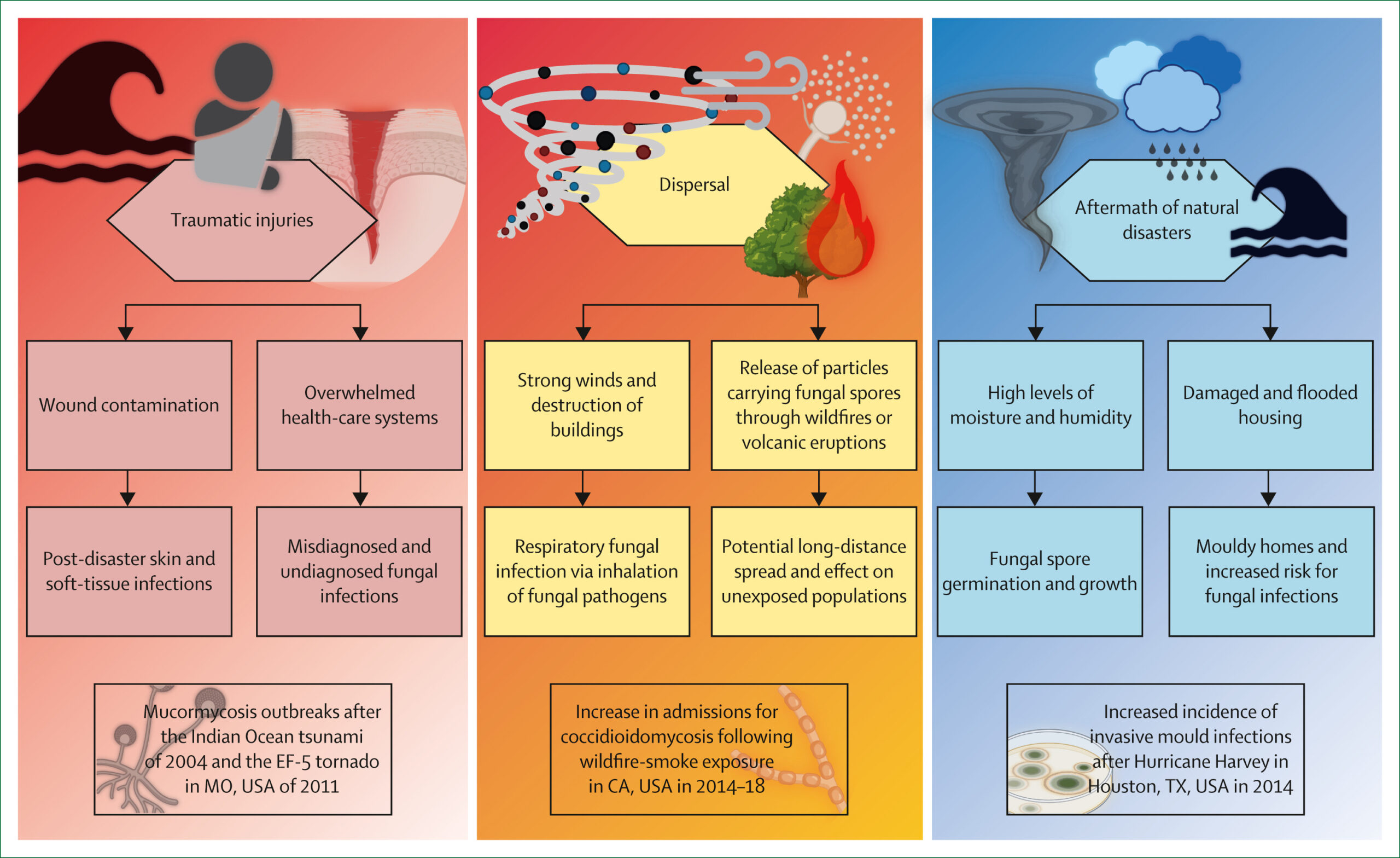
Flooding is one of the most significant hazards to pharmaceutical facilities. Many plants were originally sited near waterways for logistical convenience, but rising water levels now make them increasingly vulnerable. Even minor inundation can compromise sterile production environments, allowing bacteria and mold to contaminate equipment and inventories. Once contamination occurs, entire production batches must be discarded, and facilities often remain offline for extended periods to ensure compliance with regulatory standards.
Wildfires and Airborne Hazards in Pharmaceutical Hubs
In western states, wildfires pose a different but equally disruptive threat. Smoke, ash, and airborne particulates can infiltrate drug plants, forcing evacuations and halting sensitive operations. Even when facilities are spared from flames, surrounding infrastructure—including highways and rail networks—may be closed, delaying distribution of life-saving drugs. These wildfire-related shutdowns highlight how fragile the system is when pharmaceutical production depends so heavily on a small set of vulnerable counties.
Infrastructure Failures and Supply Chain Disruptions
Pharmaceutical manufacturing is uniquely dependent on stable infrastructure, including power, water, and transportation systems. Severe weather frequently cripples these essential services, and because drug production requires tightly regulated conditions, even brief service interruptions can bring operations to a standstill. Beyond the plants themselves, warehouses, trucking routes, and port facilities are all at risk, compounding the challenge of getting medicines to patients once disasters strike.
National Implications: Shortages and Patient Impact
The concentration of drug production in disaster-prone counties magnifies the consequences of each storm, flood, or wildfire. For many drugs, only one or two plants in the U.S. produce the supply. When these facilities go offline, there is no backup, leading to shortages that can last for months. Patients are then forced to delay treatments, switch to less effective substitutes, or face outright unavailability of critical medicines. The cascading effects place enormous stress on healthcare systems and directly endanger public health.
Building Resilience Through Policy and Industry Action
As climate change intensifies extreme weather, resilience planning becomes urgent. Policymakers and industry leaders are calling for diversification of manufacturing locations, investments in hardened infrastructure, and the creation of redundant power and water systems. Incorporating climate forecasting into supply chain planning is another key step to anticipate and mitigate risks. Protecting these vulnerable counties is not only about safeguarding local economies and jobs—it is about ensuring uninterrupted access to life-saving medicines for millions of Americans.