
Introduction to CPR
Cardiopulmonary resuscitation (CPR) is a life-saving emergency procedure used when a person’s breathing or heartbeat has stopped. This can happen due to cardiac arrest, drowning, severe injury, choking, or other medical emergencies. CPR helps maintain blood flow to vital organs, especially the brain and heart, until professional medical help arrives. Knowing CPR can mean the difference between life and death in critical situations.
What CPR Involves
CPR combines chest compressions and, in some cases, rescue breaths. Chest compressions help pump blood through the heart when it is no longer beating effectively. Rescue breaths provide oxygen to the lungs when a person is not breathing. For adults, hands-only CPR—chest compressions without rescue breaths—is often recommended for untrained bystanders. Trained responders may provide both compressions and breaths, especially for children and infants.
When CPR Is Needed
CPR is needed when a person becomes unresponsive and is not breathing normally. Common situations include sudden cardiac arrest, near-drowning incidents, severe allergic reactions, electric shock, or drug overdose. Signs that CPR is required include collapse, lack of responsiveness, and absence of normal breathing or pulse. Immediate action is critical, as brain damage can begin within minutes without oxygen.
Who Can Perform CPR
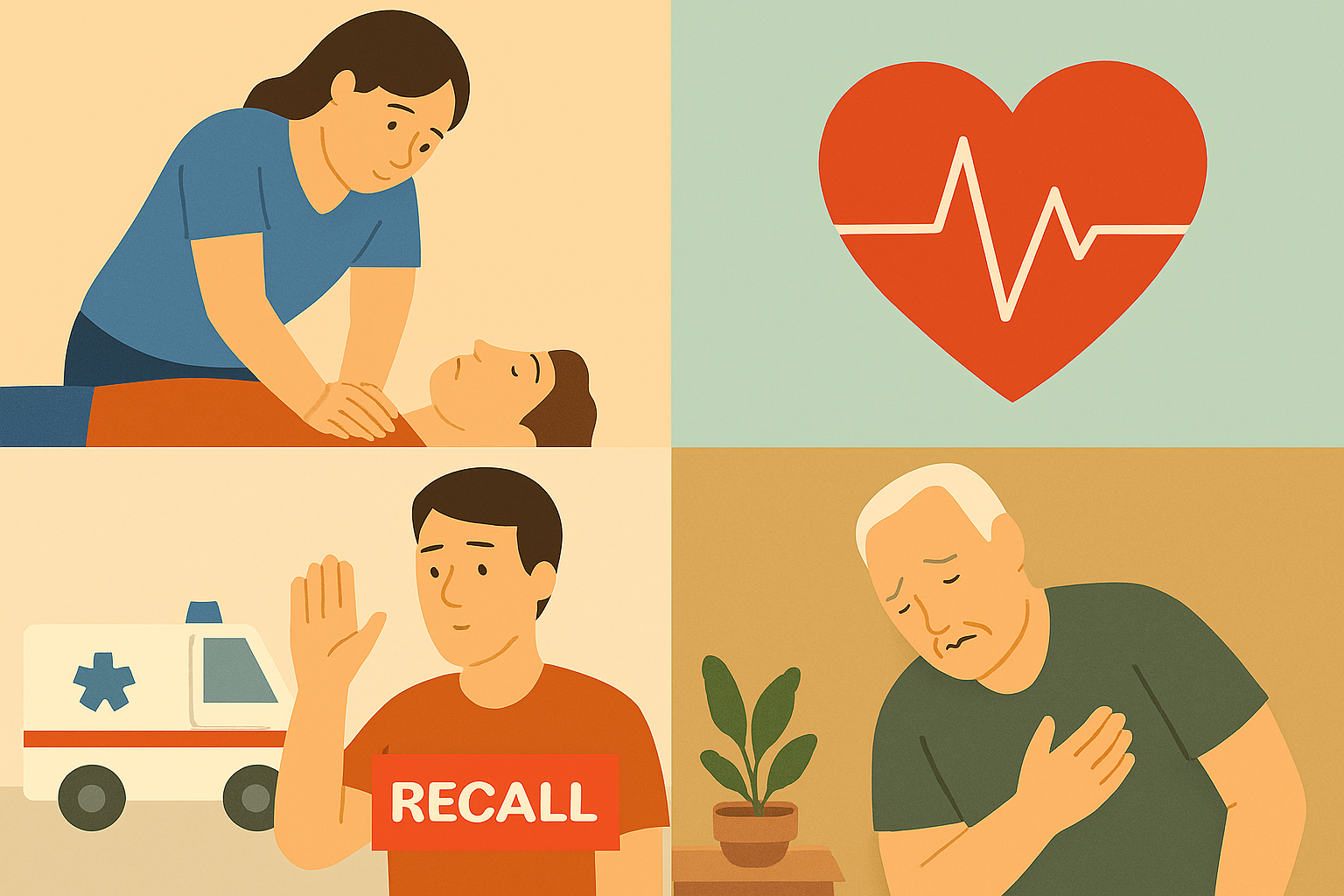
CPR can be performed by anyone, including bystanders, family members, teachers, and coworkers. While formal training improves technique and confidence, untrained individuals are encouraged to perform hands-only CPR in emergencies. Many organizations offer CPR training programs that teach proper compression depth, speed, and safety steps. Widespread CPR knowledge increases survival rates in emergency situations.
Who Needs CPR
Anyone experiencing cardiac arrest or respiratory failure may need CPR, regardless of age or health status. Adults commonly need CPR due to heart-related conditions, while children and infants often require CPR because of breathing problems, choking, or accidents. People with underlying heart disease, respiratory conditions, or those exposed to trauma are at higher risk of needing CPR.
Importance of Early CPR
Early CPR significantly improves survival chances by maintaining circulation and oxygen delivery to the brain. Each minute without CPR reduces survival rates by up to 10%. Prompt CPR, especially when combined with the use of an automated external defibrillator (AED), can double or even triple survival rates. This highlights the importance of quick recognition and immediate response.
Conclusion
CPR is a critical emergency skill that helps save lives when every second counts. Understanding what CPR is, when it is needed, and who can perform it empowers individuals to act confidently during emergencies. By learning CPR and encouraging widespread training, communities can be better prepared to respond to life-threatening situations and improve survival outcomes.