
overview
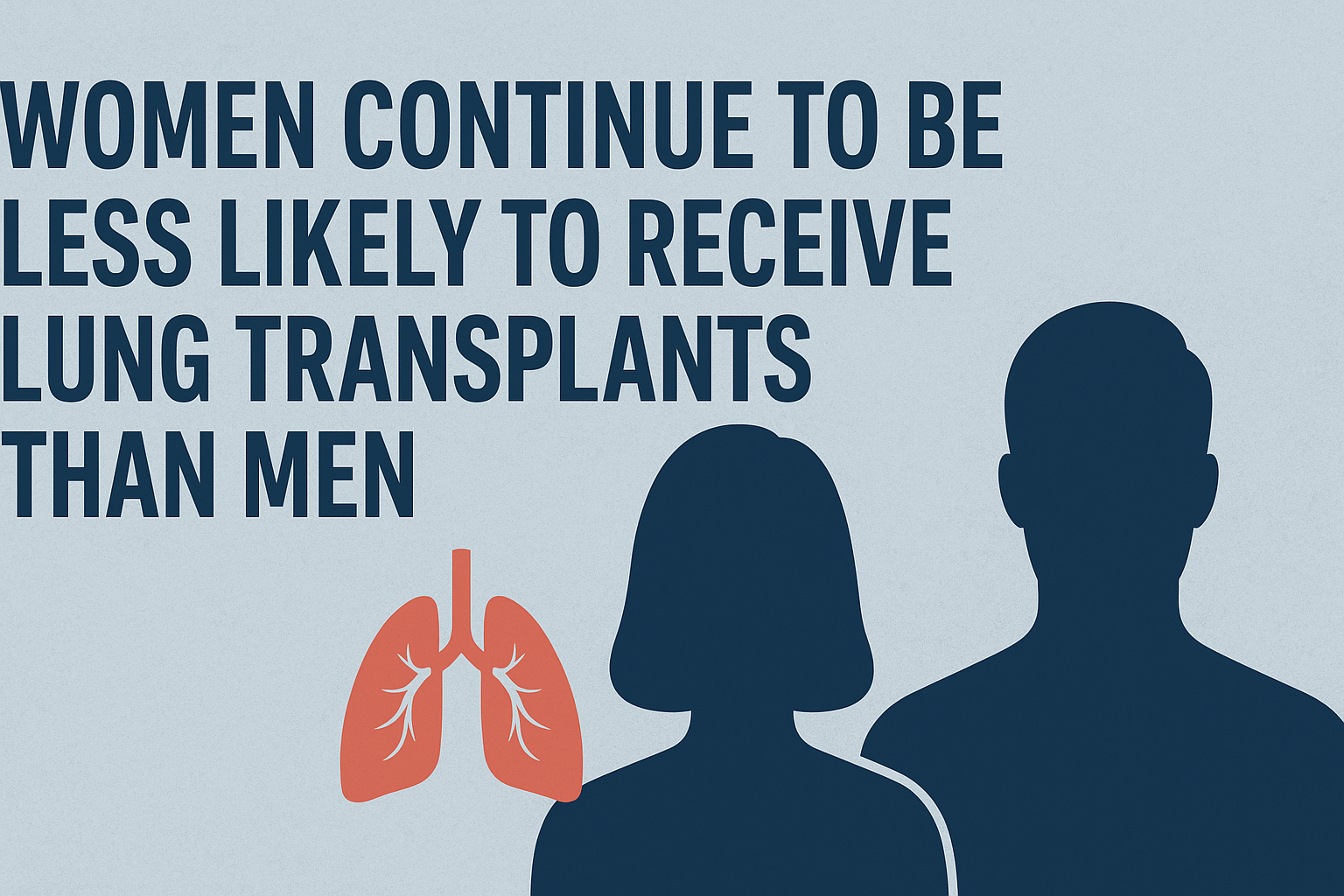
Despite major progress in modern medicine, women still face disparities in access to life-saving treatments. One of the most concerning examples is lung transplantation. Studies show that women are consistently less likely to receive lung transplants than men, even though both genders experience similar rates of severe lung disease and have comparable survival benefits after the procedure. This gender gap points to deep-rooted medical, social, and systemic issues that continue to disadvantage women in critical healthcare decisions.
Importance of Lung Transplantation
Lung transplantation is a crucial therapy for people with end-stage lung diseases such as pulmonary fibrosis, chronic obstructive pulmonary disease (COPD), and pulmonary hypertension. When all other treatments fail, transplantation can significantly improve quality of life and survival. However, equal access to this procedure is essential to ensure fair healthcare outcomes. Unfortunately, registry data reveal that women are listed for lung transplants less frequently and are transplanted at lower rates compared to men, even after adjusting for disease severity and age.
Biological and Size-Related Barriers
One important reason for this disparity lies in body size differences between men and women. Suitable lung size matching is essential for successful transplantation. Because most organ donors are men and tend to have larger lungs, women—who typically have smaller body frames—often face longer waiting times to find a compatible donor. This mismatch increases the likelihood that women will die while waiting for a transplant. Experts suggest that expanding donor criteria and improving size-matching technology could help reduce this problem.
Referral and Evaluation Bias
Another significant factor involves how and when women are referred for transplant evaluation. Research shows that women are often referred later in their disease progression, which lowers their chances of being listed and receiving a transplant in time. Some healthcare providers may unconsciously underestimate the severity of a woman’s symptoms or assume that she is less capable of tolerating surgery and recovery. In addition, women are more likely to have autoimmune lung diseases, such as scleroderma or lupus, which can make them appear to be higher-risk candidates even when outcomes are similar to men’s.
Social and Psychological Barriers
Beyond medical bias, social and emotional factors also limit access. Many women prioritize caregiving responsibilities and family obligations over their own health. Financial strain, lack of social support, and fear of surgical risks may further discourage them from pursuing transplant evaluation. Mental health challenges such as anxiety and depression are also more common among women on transplant waiting lists, affecting their engagement with the process. These combined pressures reduce their likelihood of successfully reaching transplantation.
Steps Toward Equity
Healthcare organizations such as the United Network for Organ Sharing (UNOS) are working to design fairer organ allocation systems that minimize gender bias. Increasing awareness among physicians is also critical so that women with advanced lung disease receive early and appropriate referrals. Education and advocacy programs can empower women to take charge of their treatment journey and demand equitable care.
Conclusion
The ongoing gender gap in lung transplantation reflects broader challenges in healthcare equality. From body size mismatches to social and institutional bias, women face disadvantages at every stage of the process. Yet, evidence shows that when given access, they benefit equally from transplantation. Bridging this gap will require coordinated efforts across medical, policy, and social systems to ensure that every patient—regardless of gender—has an equal chance at life.