

Mounjaro for Weight Loss: How It Compares to Other GLP-1 Drugs
Over the last few years, medications originally developed for type 2 diabetes have gained enormous attention for their surprising effectiveness in weight loss. Among these, Mounjaro (tirzepatide) has become a standout, often compared to well-established GLP-1 receptor agonists like Ozempic (semaglutide).

Potential for Reduced Dependence and Abuse Liability
Introduction to Lower Risk of Respiratory Depression Compared to Traditional Opioids Traditional opioids such as morphine, oxycodone, and fentanyl have long been the cornerstone of moderate to severe pain management. However, their effectiveness is overshadowed by a significant safety concern: respiratory depression, a potentially life-threatening side effect that occurs when these drugs suppress the brain’s drive to breathe. This risk has fueled the ongoing opioid crisis, as respiratory depression remains a leading cause of overdose-related fatalities.

Versatility in Clinical Use
Introduction to Lower Risk of Respiratory Depression Compared to Traditional Opioids Traditional opioids such as morphine, oxycodone, and fentanyl have long been the cornerstone of moderate to severe pain management. However, their effectiveness is overshadowed by a significant safety concern: respiratory depression, a potentially life-threatening side effect that occurs when these drugs suppress the brain’s drive to breathe. This risk has fueled the ongoing opioid crisis, as respiratory depression remains a leading cause of overdose-related fatalities.
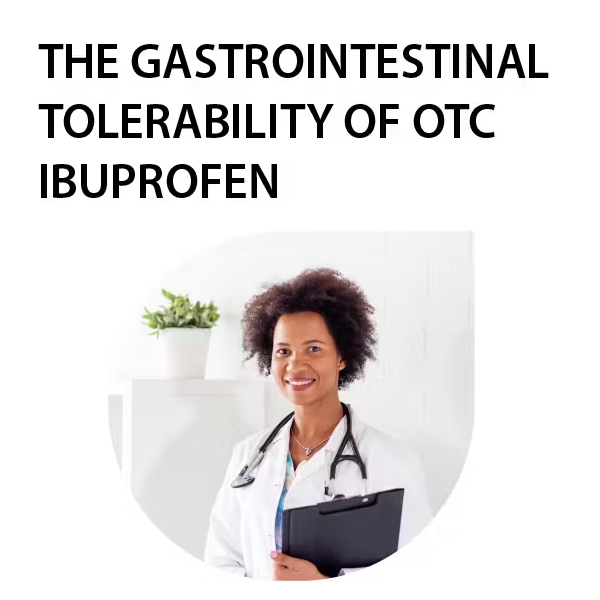
Improved Tolerability and Gastrointestinal Safety
Tolerability and gastrointestinal (GI) safety are crucial considerations in the development and clinical use of therapeutic agents. Many effective treatments, particularly in areas such as pain management, cardiovascular care, and oncology, are often limited not by their efficacy but by their adverse effect profile.
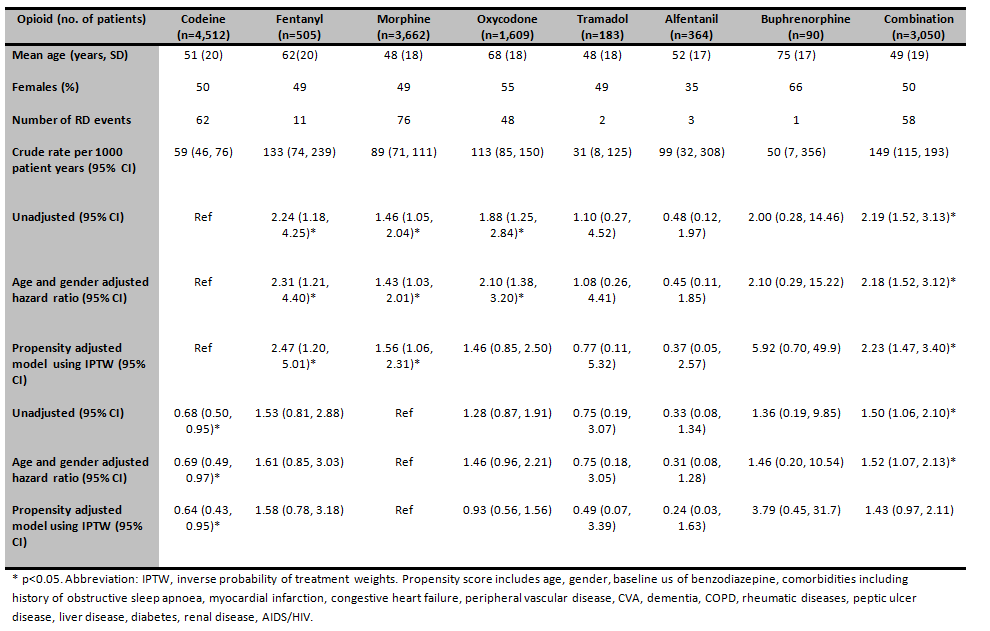
Lower Risk of Respiratory Depression Compared to Traditional Opioids
Introduction to Lower Risk of Respiratory Depression Compared to Traditional Opioids Traditional opioids such as morphine, oxycodone, and fentanyl have long been the cornerstone of moderate to severe pain management. However, their effectiveness is overshadowed by a significant safety concern: respiratory depression, a potentially life-threatening side effect that occurs when these drugs suppress the brain’s drive to breathe. This risk has fueled the ongoing opioid crisis, as respiratory depression remains a leading cause of overdose-related fatalities.
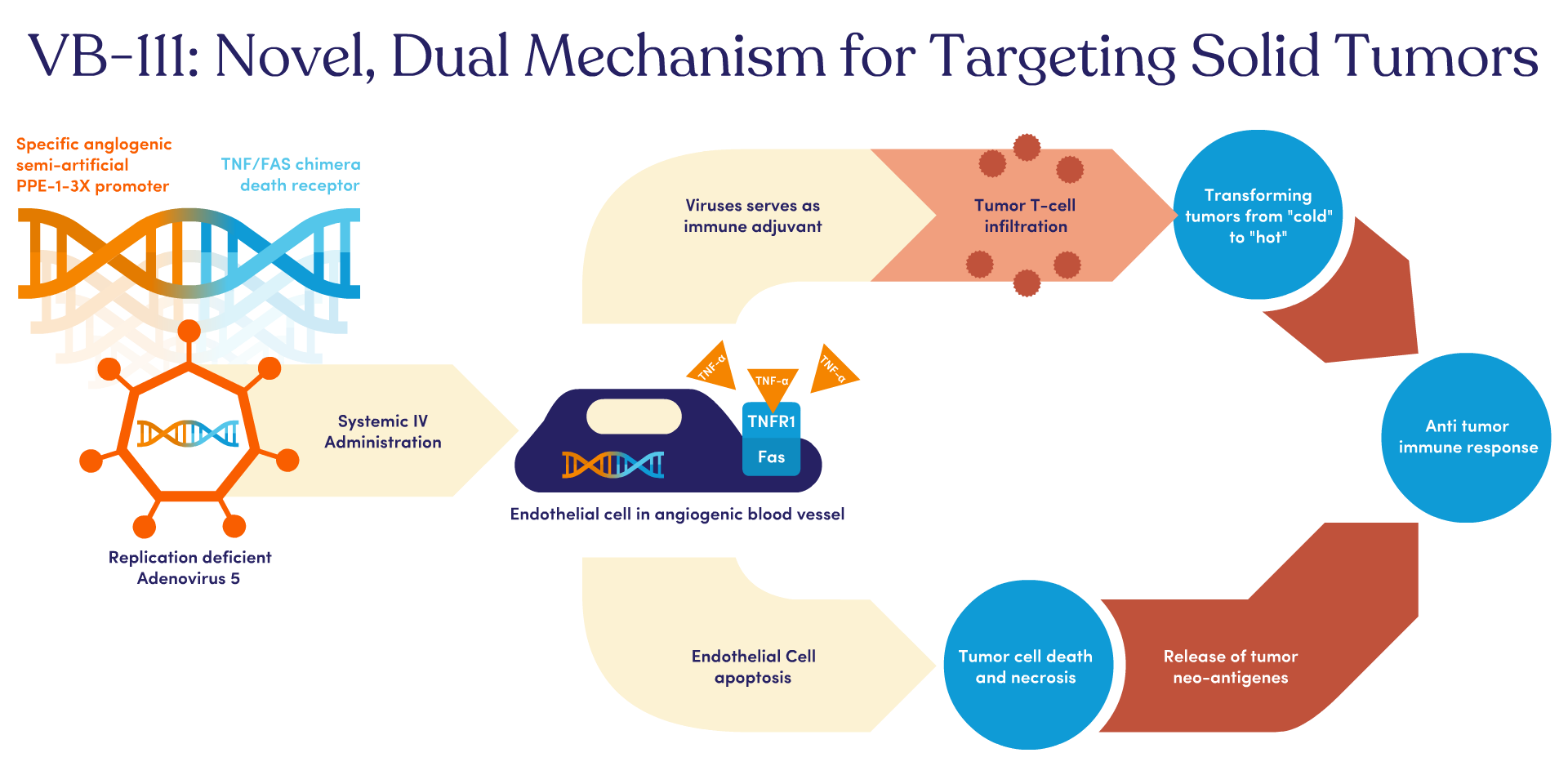
Dual Mechanism of Action
Defining the Concept of Dual Mechanism of Action
In pharmacology, the term “dual mechanism of action” describes a drug or therapy that produces its effects through two complementary biological pathways. Rather than targeting a single receptor, enzyme, or signaling system, these treatments engage multiple processes to achieve stronger or more balanced therapeutic outcomes. This approach has gained attention in modern medicine because many diseases are complex and involve overlapping mechanisms, making single-target interventions insufficient for optimal relief or control.
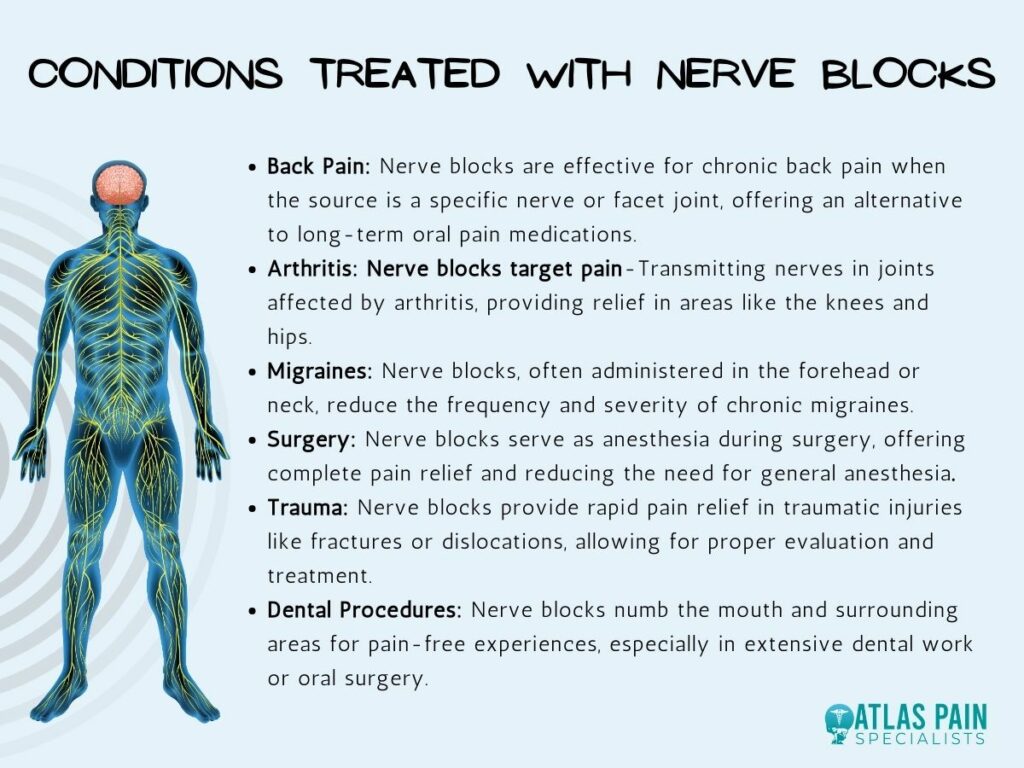
Effective Pain Relief in Moderate to Severe Conditions
Understanding the Challenge of Moderate to Severe Pain Moderate to severe pain can arise from a variety of causes, including surgery, trauma, cancer, musculoskeletal disorders, and chronic illnesses. Unlike mild pain, which often responds well to over-the-counter medications, moderate to severe pain typically requires stronger, carefully managed treatments. Effective relief is not only about reducing discomfort but also about restoring mobility, improving quality of life, and preventing long-term physical and psychological complications such as depression, anxiety, and sleep disturbances.
Sleep Apnea Increases Sudden Cardiac Arrest Risk in Children With Epilepsy
Researchers used the TriNetX global research network to identify children under 18 with epilepsy, diagnosed between January 2000 and March 2025. They matched two cohorts—those with epilepsy plus sleep apnea (SA) and those with epilepsy alone—using propensity scores to account for confounding variables
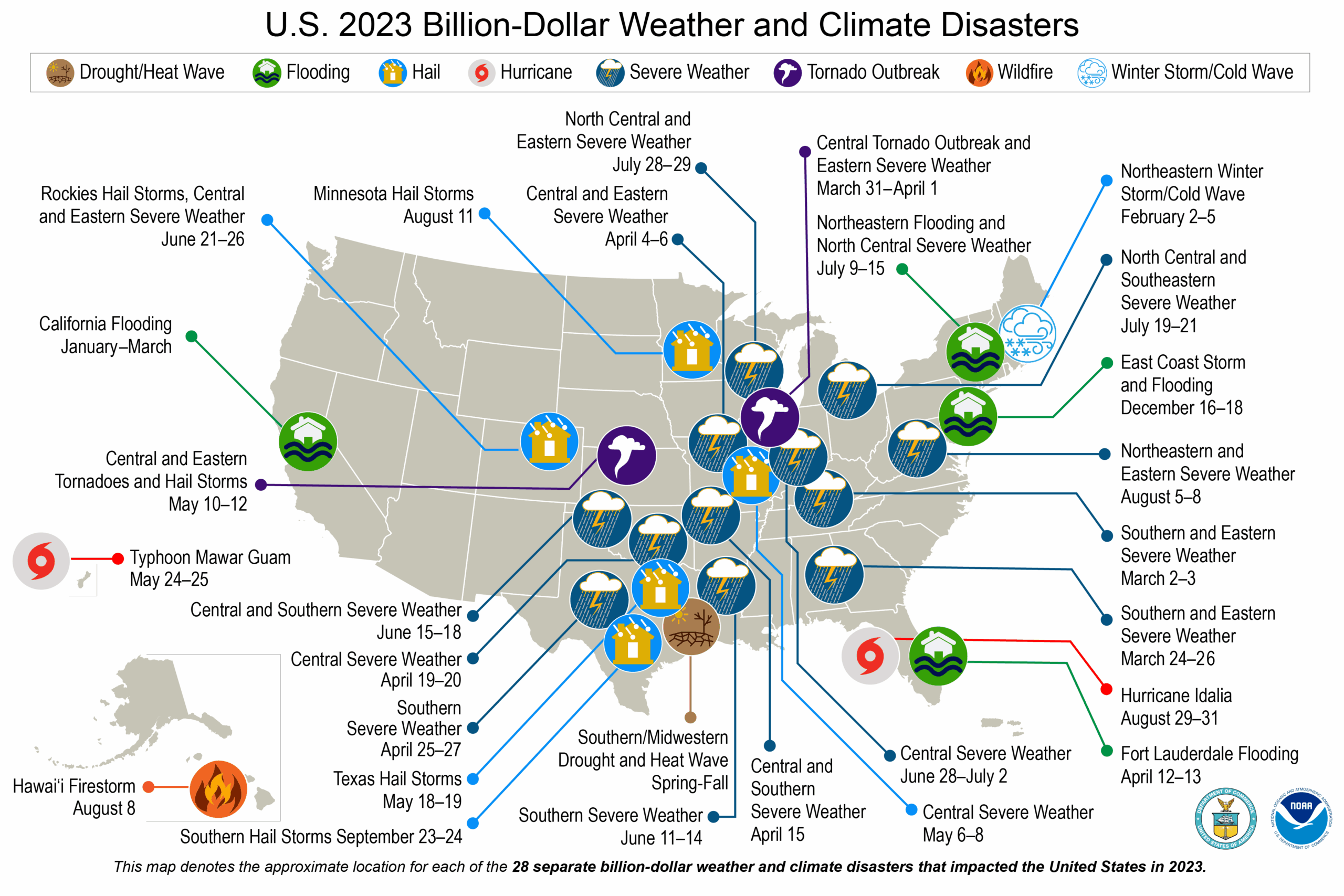
Weather Disasters Impacted Counties With More Than 60 Percent of Drug Production Facilities
Concentration of Drug Production in Vulnerable Counties
More than 60 percent of the nation’s pharmaceutical manufacturing facilities are concentrated in a limited number of U.S. counties, many of which lie in regions highly exposed to hurricanes, floods, and other severe weather hazards. This geographic clustering creates an efficiency advantage for companies but also heightens systemic risk. When disasters strike these counties, they do not merely disrupt local economies—they directly threaten the nation’s ability to supply essential medicines to hospitals, pharmacies, and patients across the country.
Sensitive Personalities Tied to More Mental Health Conditions
Sensitive Personalities Tied to More Mental Health Conditions
Introduction
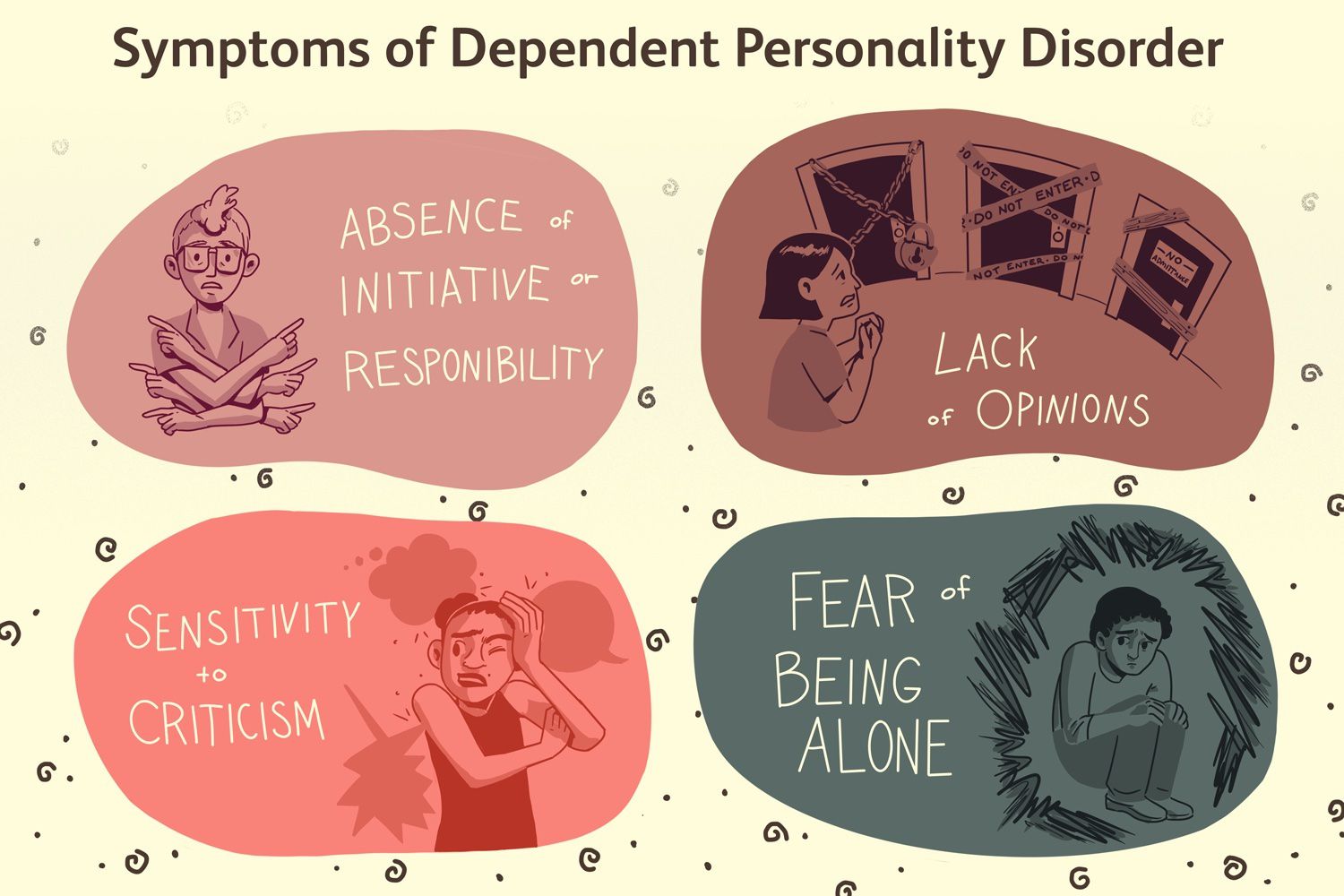
Recent psychological research suggests that individuals with highly sensitive personalities may be more vulnerable to developing mental health conditions. Known as high sensory-processing sensitivity, this personality trait is marked by heightened emotional reactivity, deeper cognitive processing, and increased responsiveness to environmental and social stimuli. While sensitivity is not inherently negative—and can be associated with empathy, creativity, and intuition—its link to stress, anxiety, and depression has prompted closer scientific examination.
Prenatal Exposure to Pesticide Chlorpyrifos Linked to Brain Abnormalities
Introduction
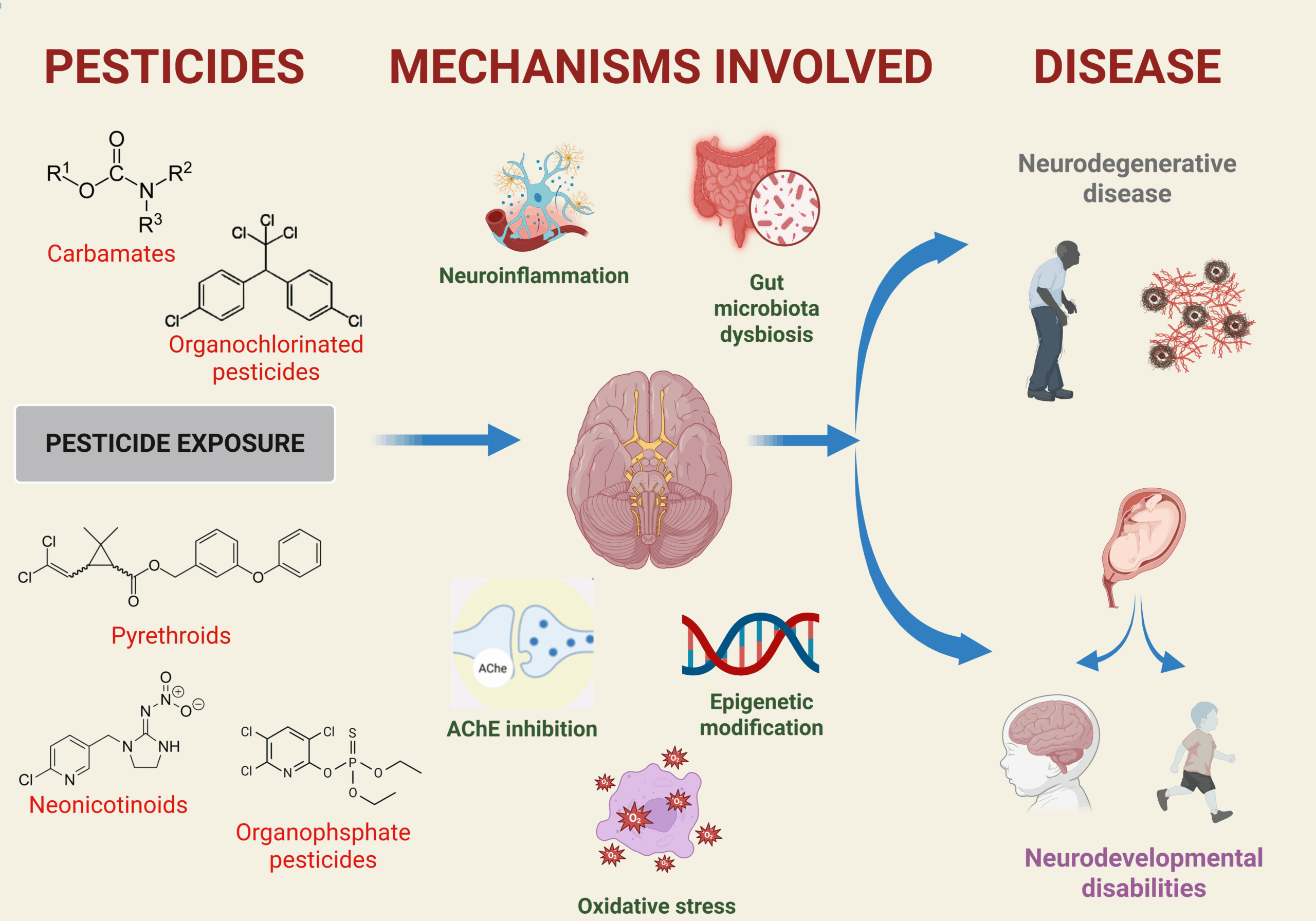
Prenatal exposure to the pesticide chlorpyrifos has raised growing concern among scientists, health professionals, and policymakers due to mounting evidence linking it to abnormalities in brain development and long-term cognitive deficits in children. Chlorpyrifos, an organophosphate pesticide widely used in agriculture to control insects on crops such as corn, soybeans, fruits, and vegetables, has been under scrutiny for decades because of its neurotoxic properties. Although initially designed to target the nervous systems of pests, research increasingly demonstrates that even low-level exposure during critical stages of fetal development can interfere with the growth and organization of the human brain.

Fatal Snakebite at Tennessee Park Highlights Risks in the Wild
Fatal Snakebite at Tennessee Park Highlights Risks in the Wild
Tragic Incident at Savage Gulf State Park
On August 8, 2025, a hiker died after being bitten by a venomous timber rattlesnake while exploring Savage Gulf State Park near Gruetli-Laager, Tennessee. According to authorities, the hiker picked up the snake during his hike, which resulted in a defensive bite to his hand. Emergency responders rushed to the scene and attempted life-saving measures, including CPR, before transporting him to a nearby hospital. Despite their efforts, the man did not survive.

More Frozen Shrimp Recalled Amid Contamination Fears
More Frozen Shrimp Recalled Amid Contamination Fears
Initial Discovery
In late August 2025, U.S. regulators dramatically expanded a recall of frozen shrimp amid concerns about possible contamination with the radioactive isotope cesium-137 (Cs-137), a substance known to carry long-term health risks. Initially, the Food and Drug Administration (FDA) flagged certain frozen shrimp from Walmart’s Great Value brand after U.S. Customs and Border Protection (CBP) intercepted shipments containing detectable levels of Cs-137 in one container. Although that specific consignment did not enter the U.S. food supply, it triggered a broader investigation.
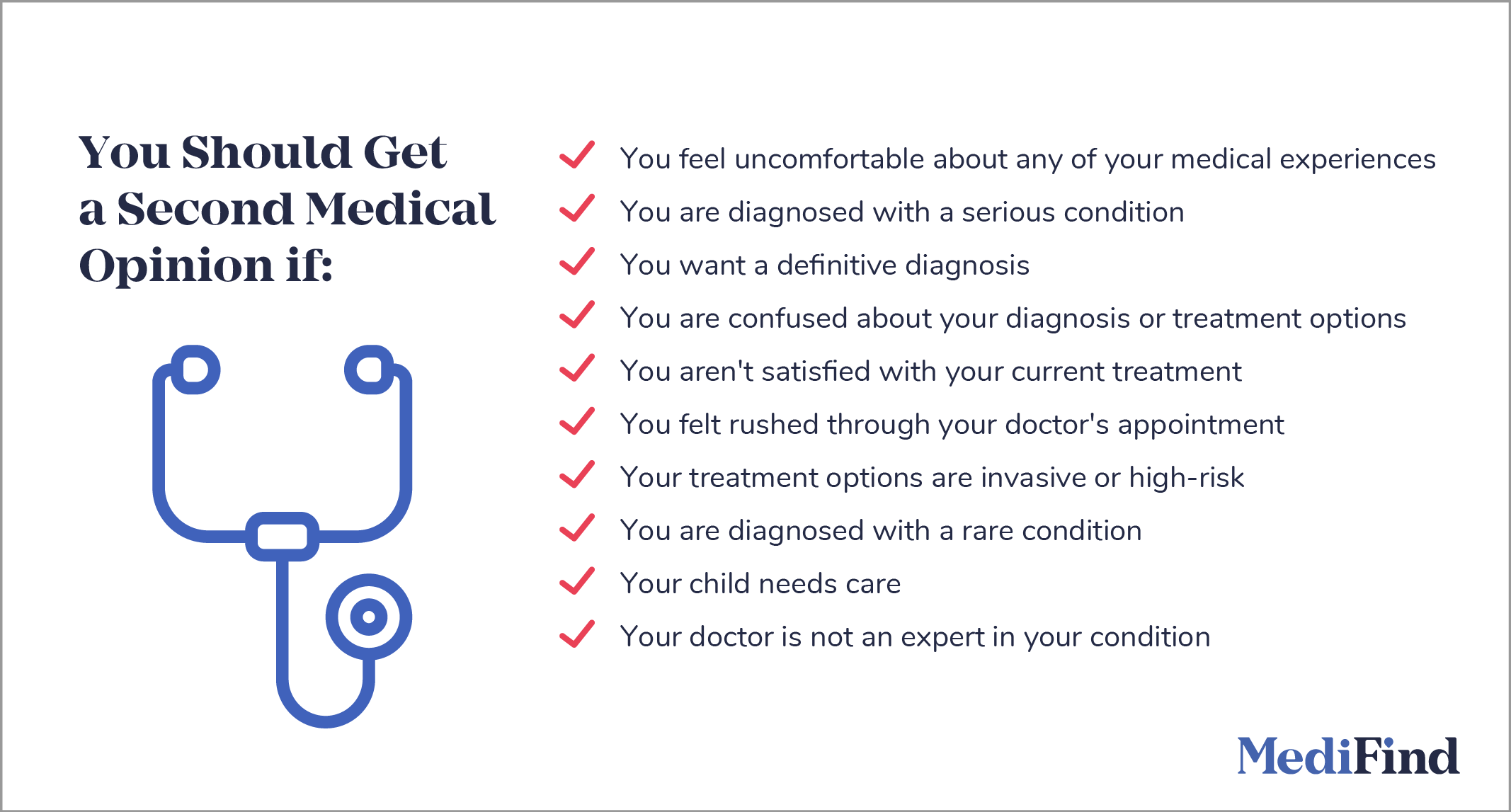
Medical Options and When to Seek Professional Help
Medical Options and When to Seek Professional Help
Health is one of the most valuable aspects of life, yet many people hesitate to seek medical care until conditions become severe. Understanding the range of medical options available and recognizing when professional help is necessary can make a significant difference in outcomes. Early intervention often prevents complications, reduces suffering, and improves overall quality of life.
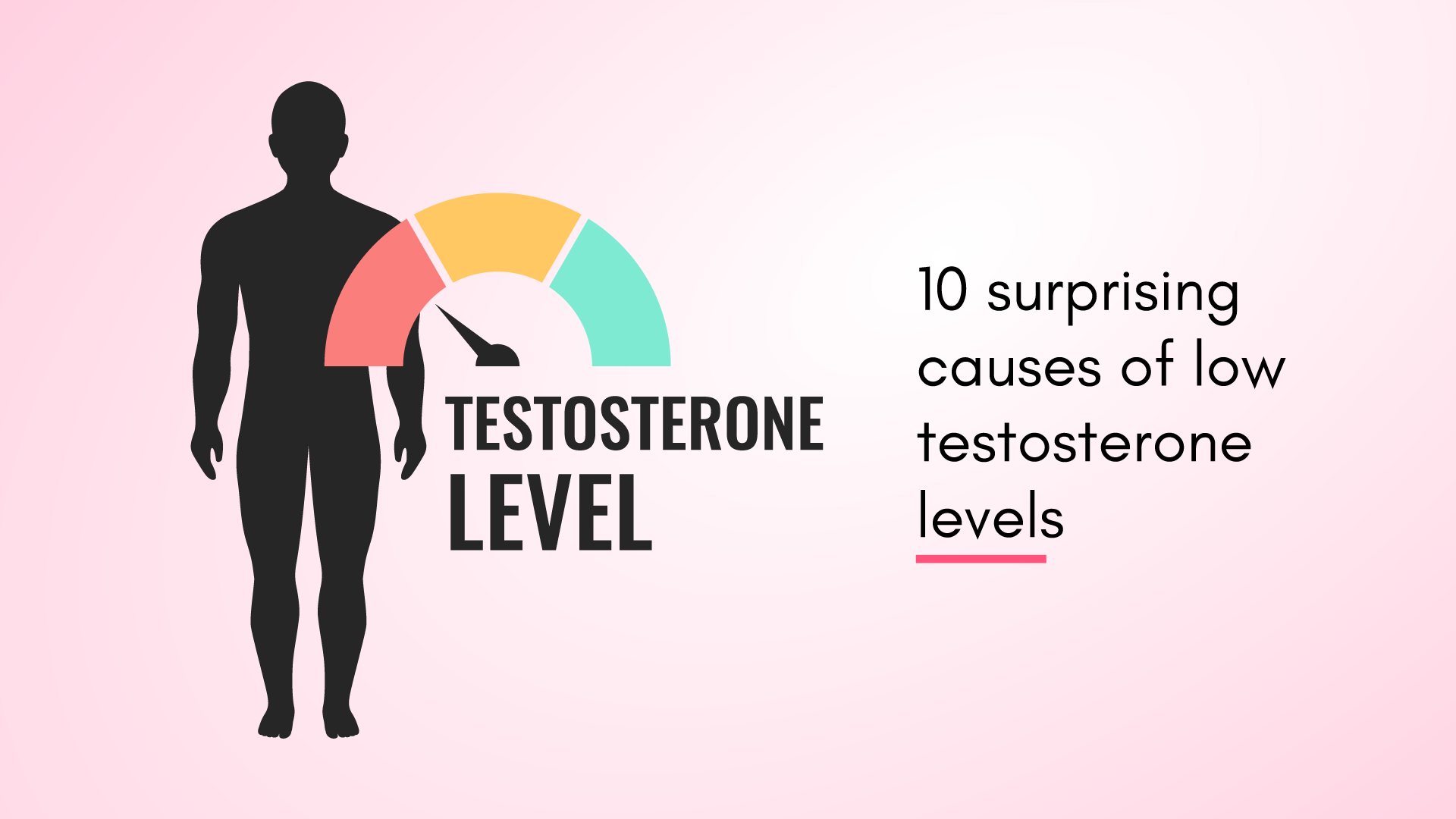
Factors Affecting Testosterone and How to Maintain Balance
Factors Affecting Testosterone and How to Maintain Balance – Testosterone is a vital hormone that regulates energy, strength, muscle mass, bone density, and sexual health. While levels naturally change throughout life, many lifestyle and environmental influences can either reduce or support healthy testosterone production. Below are seven major factors that affect testosterone and practical ways to maintain balance.
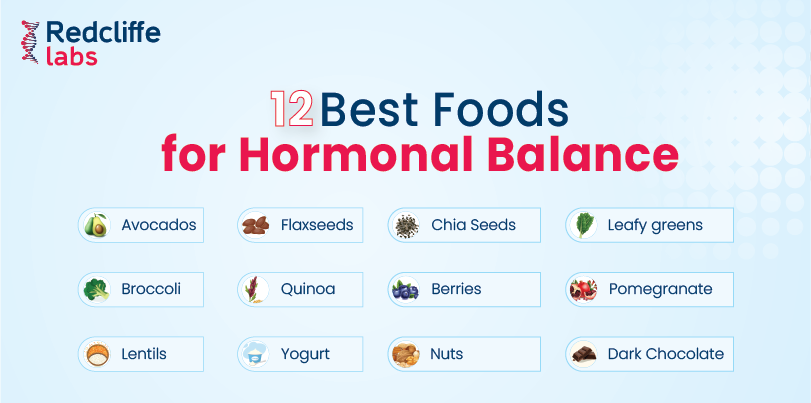
Diet and Nutrition for Hormonal Health
Diet and Nutrition for Hormonal Health
Hormones are chemical messengers that regulate nearly every function in the body—from metabolism and mood to reproductive health, sleep, and energy balance. When they fall out of balance, symptoms such as fatigue, mood swings, irregular cycles, weight fluctuations, and even skin issues can appear. While genetics and lifestyle play roles, diet and nutrition are among the most powerful tools we have to support healthy hormone function. The right foods can help stabilize blood sugar, reduce inflammation, support detoxification, and provide the building blocks the body needs for optimal hormonal balance.
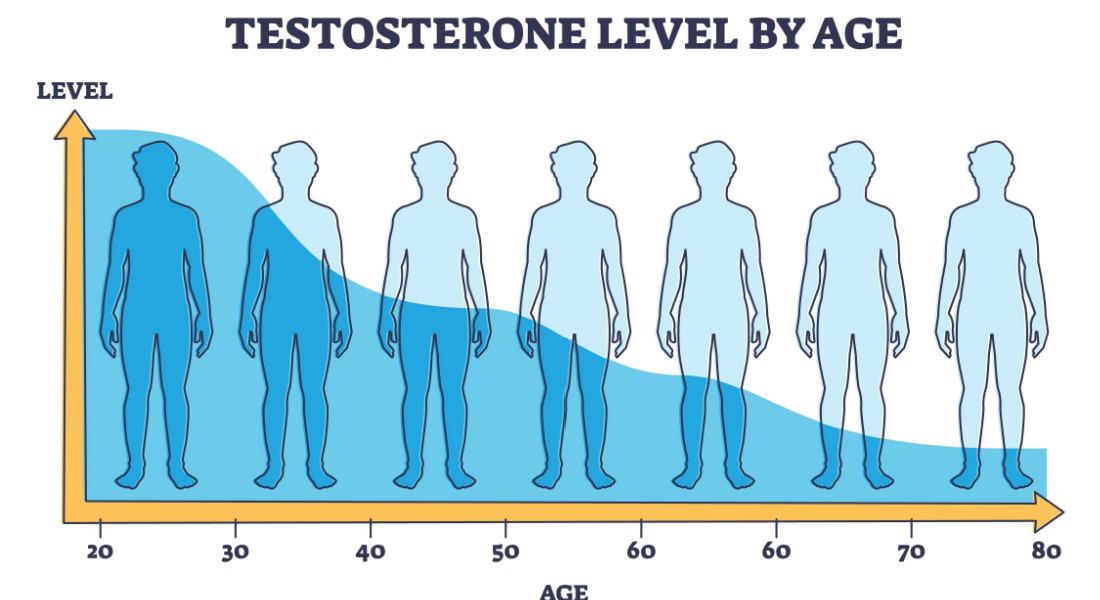
Normal Testosterone Levels by Age and Gender
Normal Testosterone Levels by Age and Gender
Testosterone is a vital hormone that supports physical health, sexual development, energy, and overall well-being. While most people associate testosterone primarily with men,
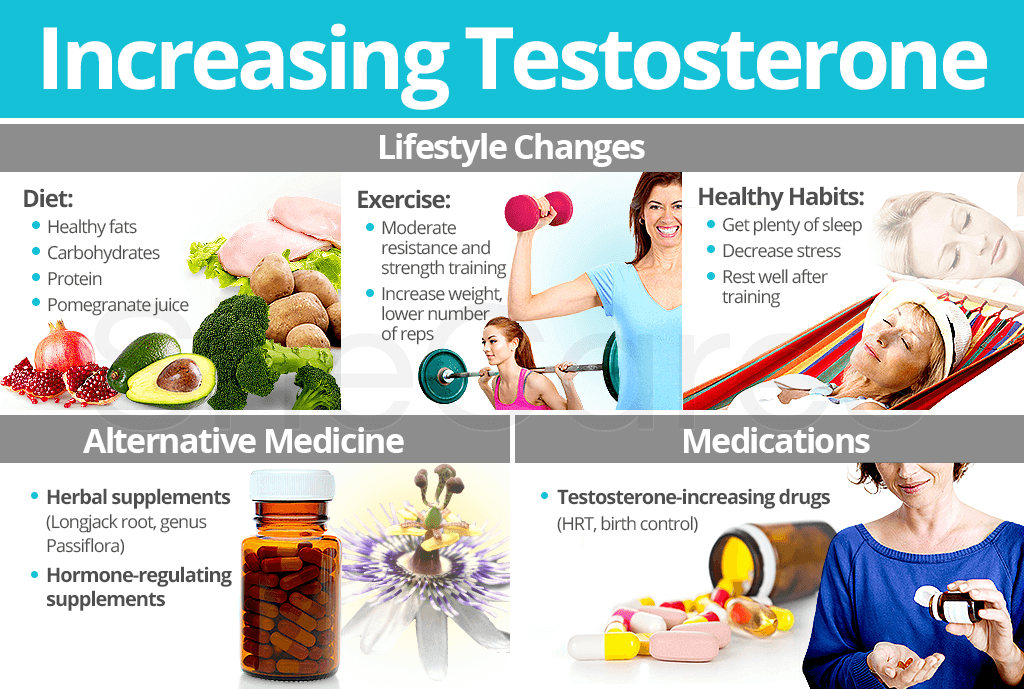
Lifestyle Changes to Naturally Boost Testosterone
Lifestyle Changes to Naturally Boost Testosterone
Testosterone is one of the most important hormones for overall health, influencing everything from muscle mass and bone strength to mood, energy, and sexual function.