
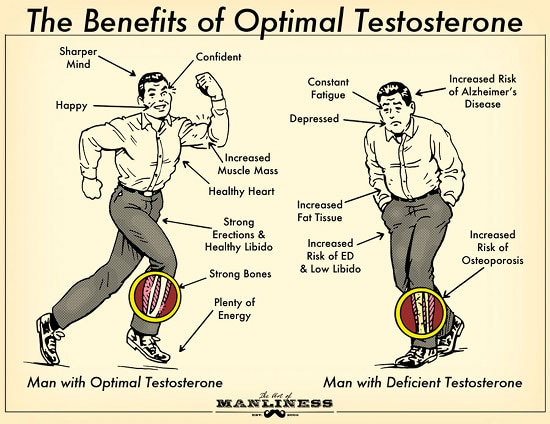
What is Testosterone and Why It Matters
Testosterone is a hormone that plays a central role in human health, particularly in men but also in women. It belongs to a group of hormones known as androgens and is primarily produced in the testes in men and the ovaries in women, with small amounts also secreted by the adrenal glands. Though testosterone is often associated with masculinity, its influence extends far beyond sexual traits—it impacts physical health, mental well-being, and overall quality of life.

Suzetrigine (Journavx-suzetrigine): First-in-Class, Non-Opioid Pain Treatment
Suzetrigine, marketed as Journavx, is a first-in-class, oral, non-opioid analgesic, officially approved by the FDA on January 30, 2025 for treating moderate-to-severe acute pain in adults. It fills a long-standing void—being the first new non-opioid pain medication approved in over 20 years.

Avutometinib/Defactinib (Avmapki Fakzynja Co-Pack) FDA Approved
Avmapki Fakzynja Co-Pack, a co-packaged oral combination of avutometinib capsules and defactinib tablets, received accelerated approval from the U.S. FDA on May 8, 2025 for the treatment of adult patients with KRAS-mutated recurrent low-grade serous ovarian cancer (LGSOC) who have undergone at least one prior systemic therapy
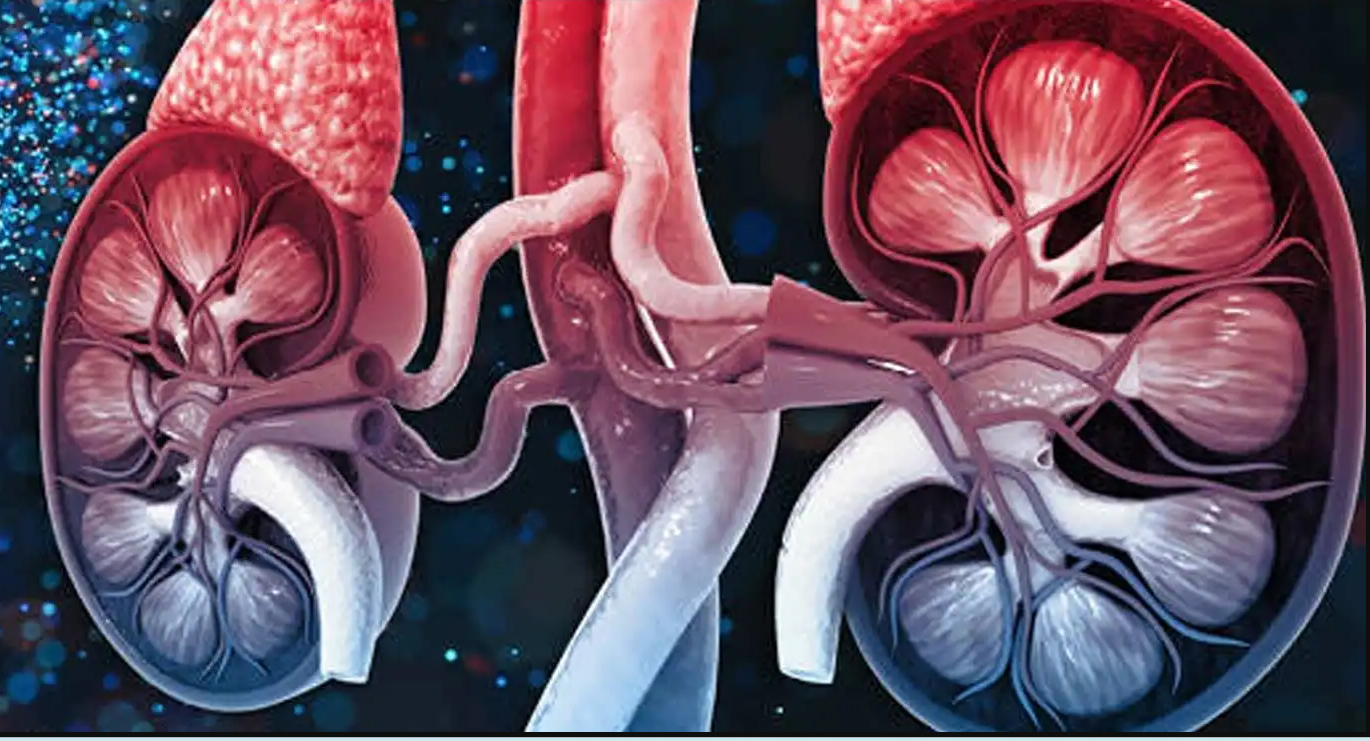
Belzutifan (Welireg) Receives FDA Nod for Pheochromocytoma & Paraganglioma
FDA – U.S. Food and Drug Administration (FDA) approved Belzutifan (brand name Welireg, developed by Merck & Co.) for the treatment of locally advanced, unresectable, or metastatic pheochromocytoma and paraganglioma (PPGL)

June–July 2025: Wave of New FDA Approvals
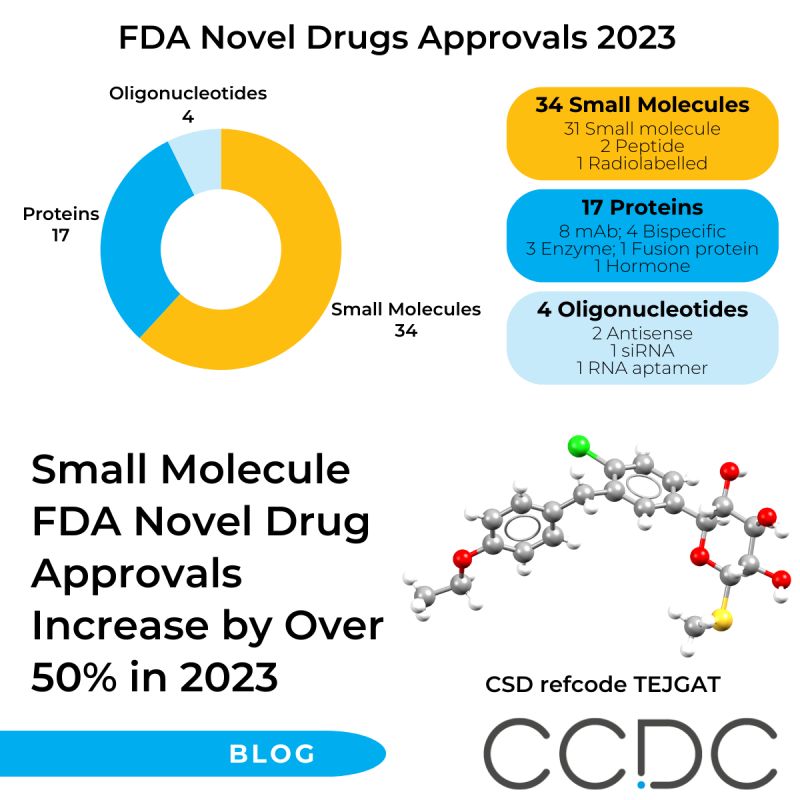
From January to August 2025, the FDA approved 25 novel drugs – nearly one per week – reflecting an unprecedented pace in expanding treatment options across therapeutic areas

Leadership Shake-Up at the FDA Return of Dr. Vinay Prasad
Dr. Vinay Prasad, a hematologist-oncologist and outspoken critic of both FDA approval standards and public health policy, was appointed in May 2025 by Commissioner Marty Makary to lead CBER, the FDA division overseeing vaccines, gene therapies, and blood products

FDA Approved of Modeyso (Dordaviprone) – A Milestone for Diffuse Midline Glioma
U.S. Food and Drug Administration (FDA) granted full approval to Modeyso (generic name: dordaviprone), a groundbreaking therapy for diffuse midline glioma (DMG) — a rare and highly aggressive brain tumor that primarily affects children, adolescents, and young adults. This marks the first time a systemic (body-wide) therapy has been approved for this devastating disease, representing a pivotal advance in neuro-oncology.

Tapering Off Tapentadol 100mg: A Step-by-Step Guide
Tapentadol 100mg – Tapentadol (brand name Nucynta) is a prescription pain medication used for moderate to severe pain. It works by affecting the brain’s perception of pain through both opioid and norepinephrine reuptake inhibition mechanisms. While it can be highly effective, long-term use may lead to physical dependence, and stopping it abruptly can cause withdrawal symptoms. That’s why a gradual taper—reducing the dose over time—is the safest approach.
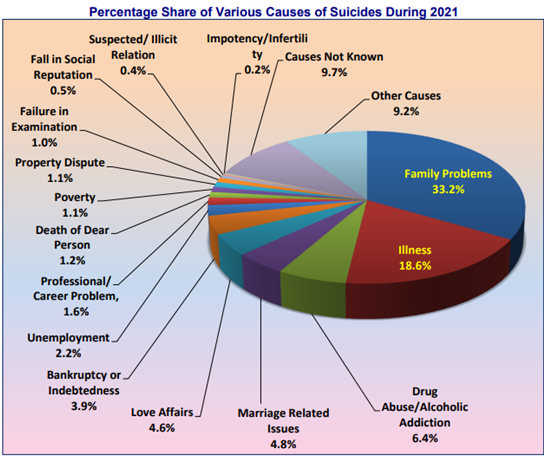
Increases in Local Violence Tied to Higher Subsequent Suicide Rates
Suicide Rates – Key Concept Overview The phrase means that when violence rises in a community, there is often a later increase in suicide rates. This suggests a strong link between exposure to violence and mental health consequences that may lead to suicide.
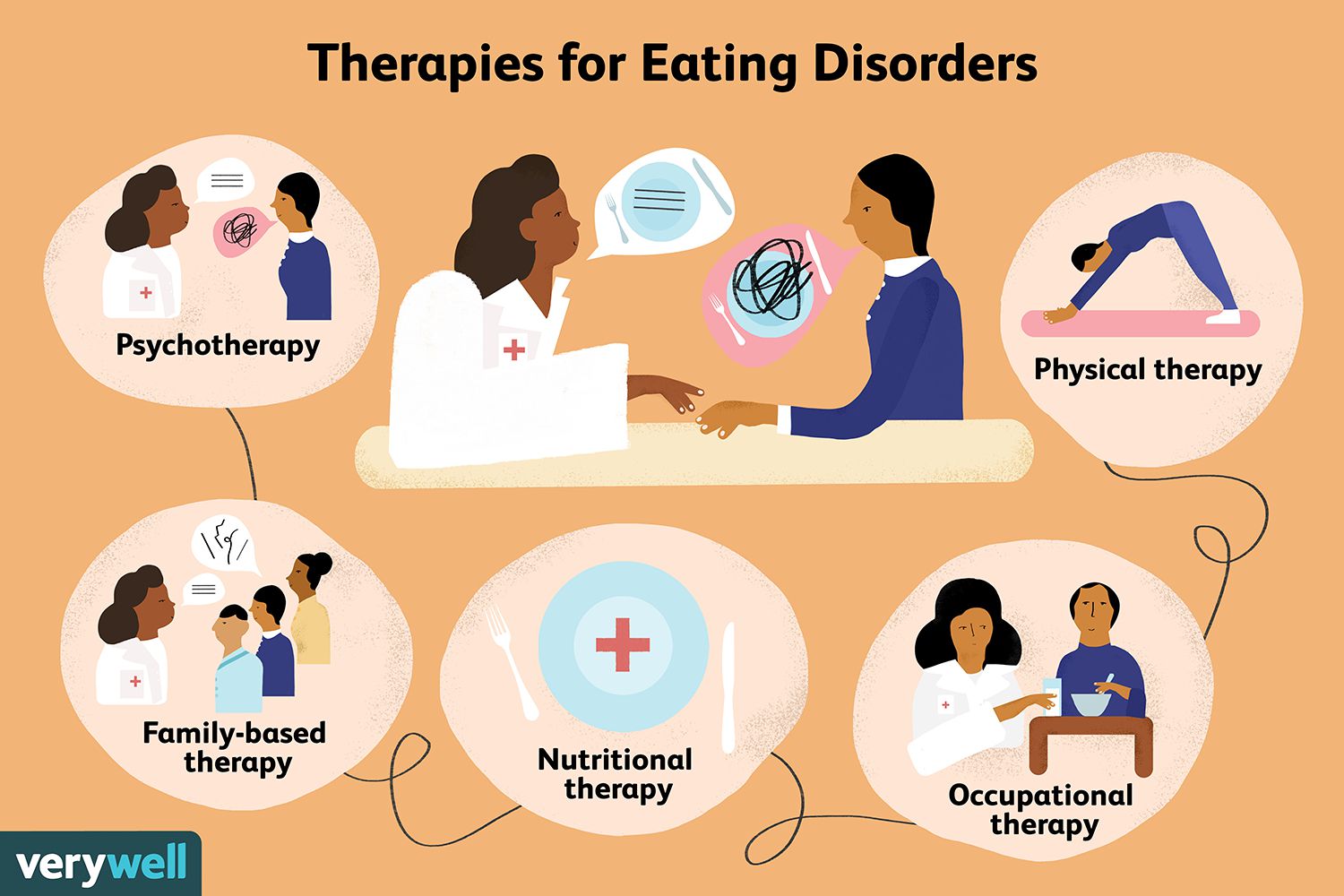
People With Eating Disorders Report Success Self-Medicating With Non-Rx Drugs
People With Eating Disorders Report Success Self-Medicating With Non-Rx Drugs
Recent discussions and studies show that individuals with eating disorders are increasingly turning to non-prescription (non-Rx) drugs to manage their symptoms. While not a replacement for professional treatment, this trend offers insight into how people are coping when traditional care isn’t available or effective.

Hulk Hogan’s Cause of Death Revealed: Heart Attack at Age 71
🕯️ The Death: What Happened?
Terry Gene “Hulk Hogan” Bollea, the legendary professional wrestler and pop culture icon, passed away on July 24, 2025, at the age of 71. He died at his home in Clearwater, Florida. Emergency responders were called to the scene just before 10 a.m. after Hogan reportedly collapsed due to cardiac distress. Despite attempts to resuscitate him for over 30 minutes and subsequent hospital care, he was pronounced dead within two hours of the initial emergency call.
The cause of death was confirmed to be an acute myocardial infarction—more commonly known as a heart attack. This occurs when blood flow to the heart muscle is suddenly blocked, causing significant damage to the heart tissue. The medical examiner later reported that Hogan had also been battling chronic lymphocytic leukemia (CLL) and atrial fibrillation, both of which were contributing factors. These health conditions had not been disclosed to the public prior to his passing.
FDA Approval Alhemo as Once-Daily Prophylactic Treatment
FDA Approves Alhemo as Once-Daily Prophylactic Treatment for Hemophilia A or B Without Inhibitors
Overview
On July 31, 2025, the U.S. Food and Drug Administration (FDA) approved Alhemo (concizumab-mtci) for the once-daily prophylactic treatment of adults and adolescents aged 12 years and older with hemophilia A or B without inhibitors. This marks a significant expansion of Alhemo’s indications. The medication was previously approved for patients with inhibitors to clotting factors VIII or IX in December 2024. With this new approval, Alhemo becomes a treatment option for a broader population of individuals living with inherited bleeding disorders.
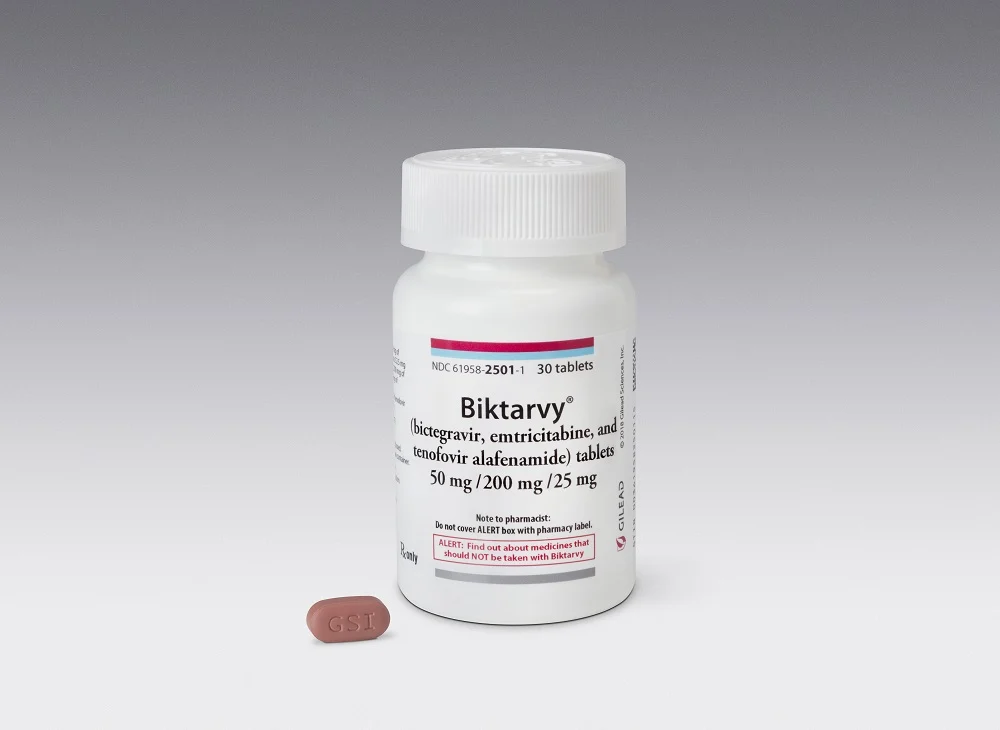
US FDA Approves New Biktarvy Indication For People With HIV Who Are Treatment Experienced And Restarting Antiretroviral Treatment
🗓 FDA Approval:
On July 30, 2025, the U.S. Food and Drug Administration approved a supplemental New Drug Application (sNDA) for Biktarvy (bictegravir 50 mg / emtricitabine 200 mg / tenofovir alafenamide 25 mg) to expand its indication. The drug may now be used in people with HIV (PWH) who have prior antiretroviral treatment, are not virologically suppressed, and are re‑starting ART, provided they have no known or suspected resistance to integrase strand inhibitors (INSTIs), emtricitabine, or tenofovir.
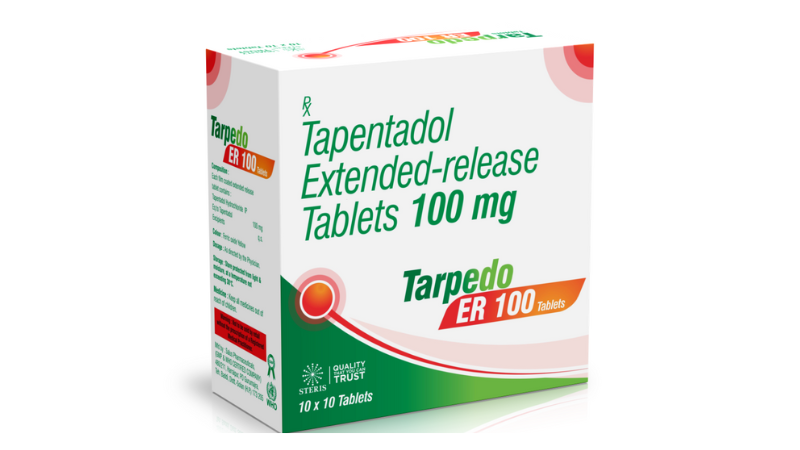
Tapering Off Tapentadol 100mg
Tapentadol is a prescription analgesic used to manage moderate to severe pain. Available in both immediate-release (IR) and extended-release (ER) forms, the 100mg dose is often prescribed for chronic pain management. However, due to its opioid component, long-term use can lead to physical dependence. For patients no longer needing tapentadol or experiencing side effects, tapering off the medication safely is crucial. Abrupt discontinuation can result in withdrawal symptoms. This guide provides a structured, evidence-informed approach to tapering off tapentadol 100mg.
Tapentadol 100mg and Dependency: What the Research Says”
Introduction
Tapentadol is a centrally acting analgesic used for the treatment of moderate to severe acute and chronic pain. Available in both immediate-release (IR) and extended-release (ER) formulations, the 100mg dose is commonly prescribed for managing significant pain conditions, including post-operative pain, musculoskeletal disorders, and neuropathic pain. While tapentadol has proven to be effective in pain relief, growing attention is being paid to its potential for dependency and abuse, especially given its opioid-like action. This article explores what the current research says about tapentadol 100mg and its relationship to dependency.
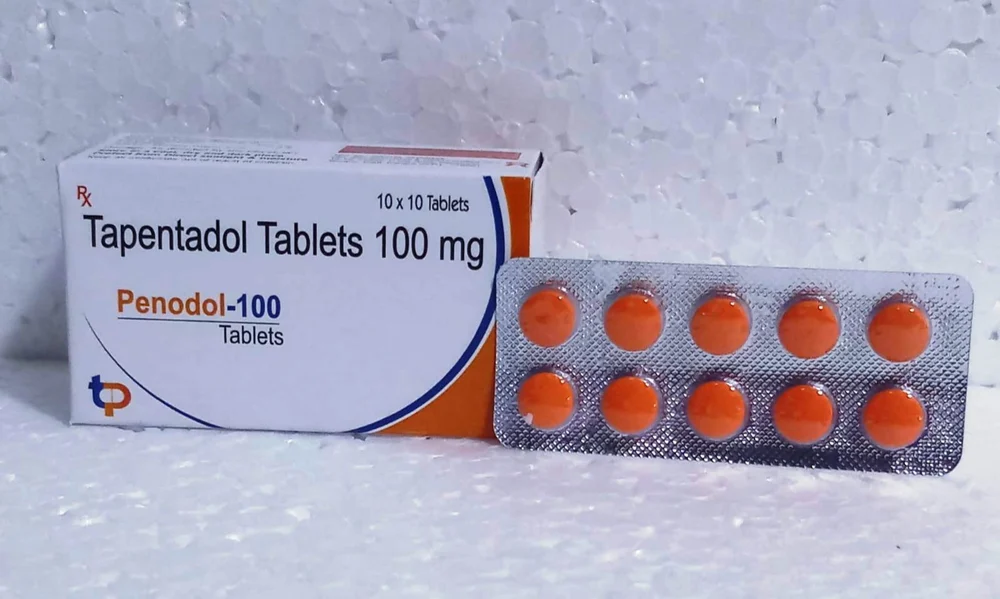
Side Effects and Safety Tips for Tapentadol 100mg Users
Managing Chronic Pain: Is Tapentadol 100mg the Right Option for You?
Chronic pain can be a relentless and exhausting condition, affecting every aspect of life—from sleep and mood to mobility and mental health. If you’re struggling with ongoing pain and searching for effective relief, your healthcare provider might suggest Tapentadol 100mg as a potential option. But what exactly is Tapentadol, and is it the right choice for you?
Sleep Apnea Increases Sudden Cardiac Arrest Risk in Children With Epilepsy
Overlapping Burdens: Epilepsy and Sleep Apnea in Children
Children living with epilepsy already face an elevated risk of neurological complications, developmental delays, and sudden unexpected death in epilepsy (SUDEP). Recent research highlights that sleep apnea—a condition where breathing repeatedly stops and starts during sleep—can further heighten their risk of sudden cardiac arrest. The interaction between these two disorders creates a dangerous overlap that places children in a particularly vulnerable category requiring close medical attention.
Managing Chronic Pain: Is Tapentadol 100mg the Right Option for You?
Managing Chronic Pain: Is Tapentadol 100mg the Right Option for You?
Chronic pain can be a relentless and exhausting condition, affecting every aspect of life—from sleep and mood to mobility and mental health. If you’re struggling with ongoing pain and searching for effective relief, your healthcare provider might suggest Tapentadol 100mg as a potential option. But what exactly is Tapentadol, and is it the right choice for you?